Best Tips for Healthy Rue Roots 🥕
Ruta graveolens
By the Greg Editorial Team
Oct 11, 2024•5 min read
This article was created with the help of AI so we can cover more plants for you. May contain errors. See one? Report it here.
Master root care for thriving rue plants 🌱 and transform your garden into a vibrant oasis of growth!
- 🌱 Rue roots grow 12-24 inches deep; ensure proper spacing in garden beds.
- 💧 Prevent root rot by allowing top soil to dry out between waterings.
- 🌿 Healthy roots are firm and light-colored, indicating vitality and strength.
Root Depth and Spread
Typical Root Depth 🌱
Rue roots typically reach an average depth of 12 to 24 inches (30-60 cm). This depth can vary based on factors like soil type, moisture availability, and the age of the plant.
Root Spread Patterns and Implications for Care 🌍
Rue exhibits a lateral spread of up to 18 inches (45 cm) or more. This spread has significant implications for spacing in garden beds or containers, as adequate space is crucial for root expansion.
Providing enough room for roots to grow helps prevent competition for nutrients. When planting, consider the mature size of the plant to ensure it thrives without hindrance.
Understanding these root characteristics is essential for effective care and maintenance. With the right conditions, your rue can flourish beautifully, setting the stage for the next section on watering and fertilizing.
Watering, Fertilizing, and Transplanting
🌱 How Root System Affects Watering Needs
Watering your rue is all about balance. Allow the top 1-2 inches of soil to dry out between waterings to prevent over-saturation.
Deep watering is crucial for encouraging taproot development. This helps the plant access moisture deeper in the soil, promoting a healthier root system.
🌿 Fertilization Strategies Based on Root Health
When it comes to fertilization, a balanced NPK (10-10-10) or organic options work wonders. Timing is key; fertilize during active growth periods in spring and summer for the best results.
Watch for signs of nutrient deficiencies, such as yellowing leaves or stunted growth. These can indicate that your rue needs a nutrient boost to support its roots.
🌍 Best Practices for Transplanting Rue
Transplanting rue is best done in early spring or fall. This timing helps the plant adjust to its new environment with minimal stress.
Here’s a simple step-by-step guide for transplanting rue:
- Prepare the new planting hole: Make it twice the width of the root ball.
- Gently remove the plant from its current pot or location.
- Place in the new hole, ensuring the taproot is straight.
- Backfill with soil and water thoroughly to settle the roots.
Following these practices will help ensure your rue thrives in its new home. With proper care, you'll set the stage for robust growth and vibrant foliage.
Next, let's dive into common root-related issues that can affect your rue's health.
Common Root-Related Issues
🕵️♂️ Identifying Root Rot and Its Prevention
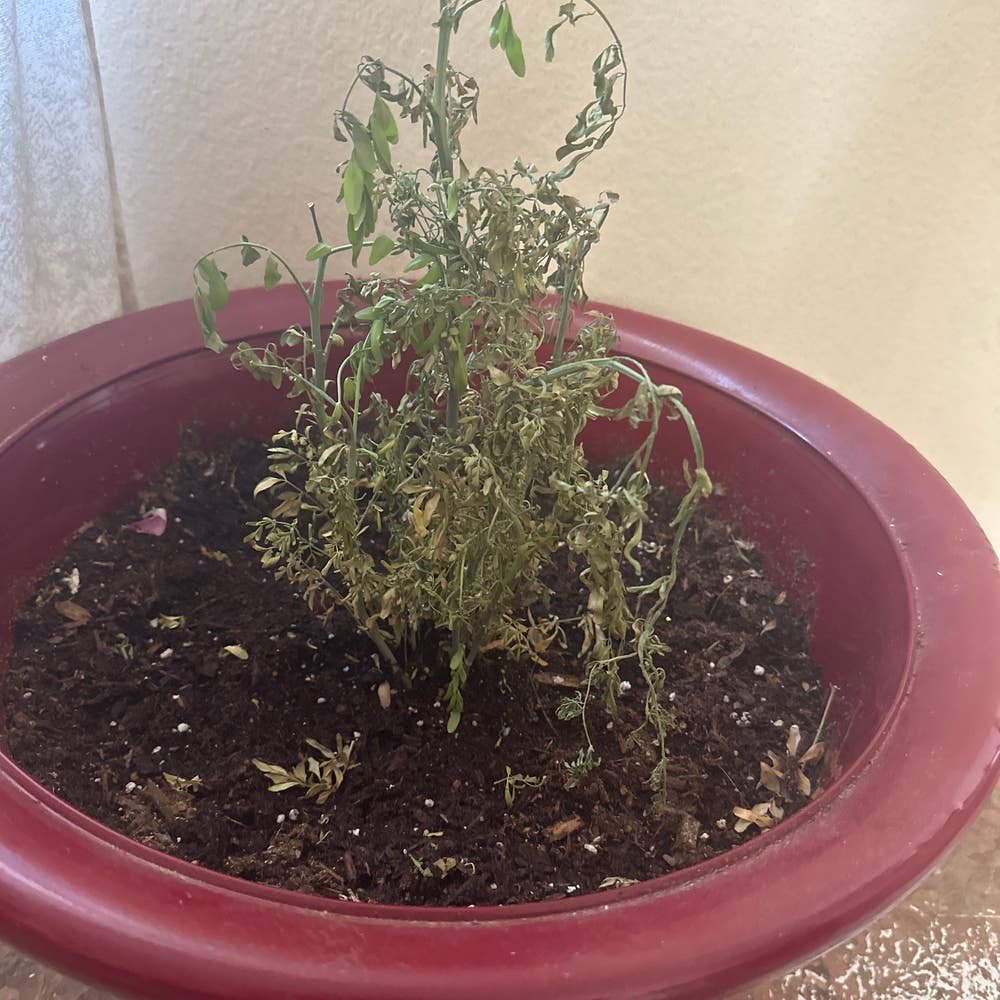
Root rot can be a gardener's nightmare. Look for symptoms like wilting, yellowing leaves, and a foul odor emanating from the soil.
To prevent root rot, focus on creating well-draining soil. Proper watering techniques are crucial; avoid overwatering and ensure the top 1-2 inches of soil dries out between waterings.
🥦 Solutions for Nutrient Deficiencies Related to Roots
Nutrient deficiencies can manifest as leaf discoloration or poor growth. If you notice these signs, it's time to investigate.
Start with soil testing to identify specific deficiencies. Adjust your fertilization practices accordingly to restore balance and promote healthy root development.
Healthy vs. Unhealthy Roots
🌱 Visual Cues for Healthy Roots
Healthy roots are a gardener's pride. Look for roots that are firm and exhibit a white or light tan color, indicating vitality and strength.
These characteristics are crucial for overall plant vigor. Strong roots support robust growth and resilience against pests and diseases.
🚨 Indicators of Unhealthy Roots and Corrective Measures
Unhealthy roots present a stark contrast. Signs include a dark, mushy texture, foul odors, and stunted growth, all of which signal trouble beneath the surface.
To remedy these issues, start by pruning affected roots. Improving soil drainage and adjusting watering practices can also help restore root health, ensuring your plant thrives once more.
With a keen eye and timely intervention, you can nurture your plants back to health, fostering a flourishing garden.
Rootbound Plants
Definition and Signs of Rootbound 🌱
Rootbound plants occur when roots begin to circle the pot, leading to stunted growth and poor water absorption. You might notice roots emerging from drainage holes or a general slowdown in growth, signaling that your plant is in distress.
When and How to Address Rootbound Conditions 🛠️
Intervention is crucial when you observe slowed growth or visible roots outside the pot. Here’s how to remedy rootbound conditions effectively:
- Carefully remove the plant from its pot.
- Gently loosen any circling roots to encourage new growth.
- Repot the plant in a larger container filled with fresh soil.
Taking these steps not only revitalizes your plant but also supports its long-term health. By addressing rootbound conditions promptly, you ensure your Rue thrives in its new environment.
Next, let’s explore the importance of root health in propagation and division.
Propagation and Division
🌱 Importance of Root Health in Propagation
Healthy roots are crucial for successful propagation. They ensure strong growth and resilience, allowing new plants to thrive in their new environments.
✂️ Techniques for Dividing Plants Effectively
Timing is key when dividing Rue. The best times are early spring or fall, as the plant is less stressed during these periods.
Steps for Dividing Rue
- Remove the plant from its pot. Gently lift it out to avoid damaging the roots.
- Identify natural divisions in the root system. Look for sections that can be easily separated.
- Use a clean, sharp knife to separate sections. This minimizes the risk of infection.
- Replant immediately in suitable soil and water thoroughly. Ensure the new plants have adequate moisture to establish themselves.
By following these steps, you can effectively propagate Rue and enjoy the benefits of healthy, vibrant plants. This process not only enhances your garden but also fosters a deeper connection with your plants.
Next, we’ll explore common root-related issues that can affect your Rue plants and how to address them effectively.
⚠️ Safety First
This content is for general information and may contain errors, omissions, or outdated details. It is not medical, veterinary advice, or an endorsement of therapeutic claims.
Always consult a qualified healthcare professional before using any plant as food, medicine, or supplement.
Never eat any plant (or feed one to pets) without confirming its identity with at least two trusted sources.
If you suspect poisoning, call Poison Control (800) 222-1222, the Pet Poison Helpline (800) 213-6680, or your local emergency service immediately.
Spotted an error? Please report it here.
Nurture your rue roots to be vibrant and resilient 🌿 with Greg's tailored watering alerts and nutrient tracking, ensuring your plant thrives in any garden!