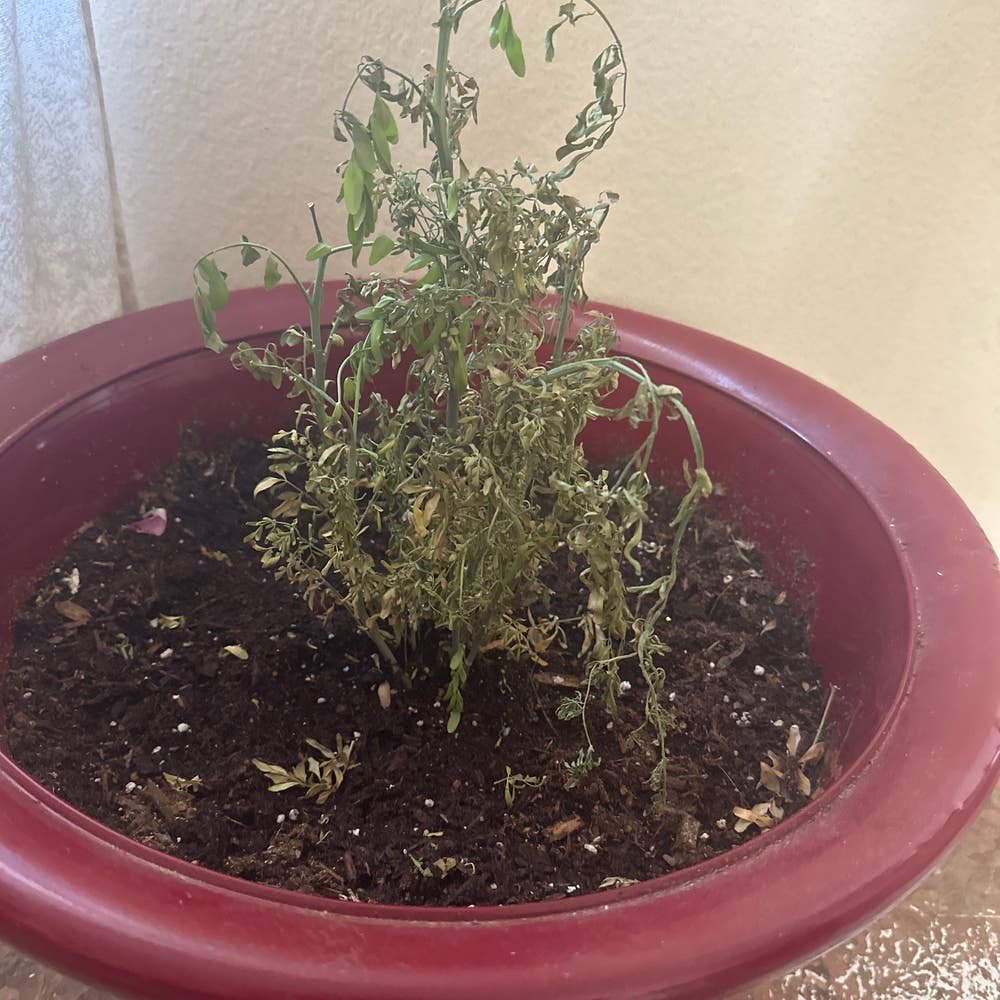
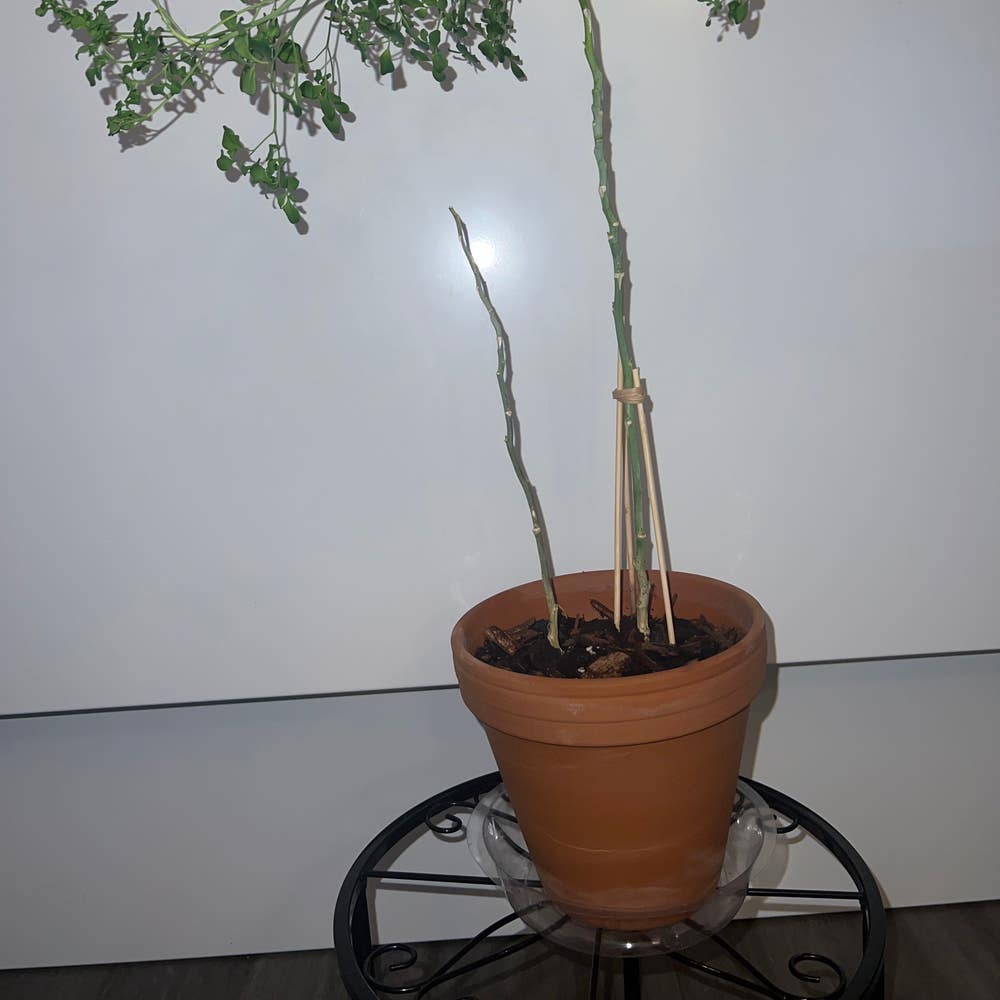
Reasons Your Rue Leaves Are Turning Yellow 🍂
Ruta graveolens
By the Greg Editorial Team
Oct 11, 2024•5 min read
This article was created with the help of AI so we can cover more plants for you. May contain errors. See one? Report it here.
Revive your Rue's vibrancy 🌱 by mastering the causes of yellow leaves and their quick fixes!
- 🌱 Yellow Rue leaves indicate nutrient deficiencies, especially nitrogen and iron.
- 💧 Overwatering and underwatering both cause yellowing; maintain a consistent watering routine.
- 🐛 Pest infestations stress Rue, so monitor regularly for early detection and treatment.
Causes of Yellow Leaves
🌱 Nutrient Deficiencies
Nutrient deficiencies can significantly impact the health of your Rue. The most common culprits are nitrogen and iron.
- Nitrogen Deficiency: This typically causes older leaves to yellow first, signaling that your plant is lacking essential nutrients.
- Iron Deficiency: This leads to interveinal chlorosis, where the areas between the veins turn yellow while the veins themselves remain green.
Look for general yellowing of leaves and stunted growth as symptoms. To pinpoint deficiencies, consider conducting soil tests to ensure your Rue is getting what it needs.
💧 Overwatering and Root Rot
Overwatering is another common issue that can lead to yellow leaves. Signs include yellowing leaves, wilting, and mushy roots.
Root rot occurs when the soil becomes waterlogged, preventing oxygen from reaching the roots. To prevent this, use well-draining soil and pots with drainage holes to keep your Rue healthy.
🚰 Underwatering
Underwatering can also cause yellowing leaves. Symptoms include leaf curling, browning edges, and yellowing.
To maintain optimal hydration, water your Rue when the top inch of soil feels dry. Consistent moisture levels are crucial for your plant's overall health.
🐜 Pest Infestation
Pests can wreak havoc on your Rue, leading to yellow leaves. Common offenders include aphids and spider mites.
- Aphids: Look for sticky residue and curled leaves.
- Spider Mites: Fine webbing and stippled leaves are telltale signs.
These pests can deplete nutrients and stress your plant, resulting in yellowing. Control methods include using neem oil, insecticidal soap, and introducing beneficial insects to your garden.
🌍 Environmental Stress
Environmental factors play a significant role in the health of your Rue. Ideally, it thrives in temperatures between 20°C to 30°C (68°F to 86°F).
Moderate humidity is preferred; too much can lead to fungal issues. Signs of environmental stress include yellowing leaves, wilting, and leaf drop. To mitigate stress, provide shade during extreme heat and ensure proper air circulation.
Understanding these causes can help you take proactive steps to keep your Rue vibrant and healthy. Next, let’s explore how to diagnose yellow leaves effectively.
Diagnosing Yellow Leaves
Identifying Symptoms 🌼
When diagnosing yellow leaves on your Rue, pay attention to key symptoms. Look for color changes, variations in leaf texture, and the overall vigor of the plant.
Early detection is crucial for effective treatment. Catching issues before they escalate can save your plant from further distress.
Differentiating Between Causes 🔍
To pinpoint the cause of yellowing leaves, use a simple checklist. Assess your watering habits, inspect for pests, and evaluate the soil conditions.
Different issues present unique visual cues. For instance, nutrient deficiencies often show distinct patterns, while pest damage may appear as irregular spots or webbing.
Visual Inspection Techniques 🕵️♂️
Conducting a thorough inspection is essential for accurate diagnosis. Start by examining the leaves for any discoloration or unusual texture.
Next, check the soil moisture level. Finally, look for signs of pests or diseases on the stems and leaves to ensure a comprehensive evaluation.
By following these steps, you can effectively identify the underlying issues affecting your Rue. This proactive approach sets the stage for implementing the right treatment options.
Treatment Options
Adjusting Watering Practices 🌊
Proper watering is crucial for the health of your Rue. Aim to water deeply but infrequently, which encourages robust root growth.
Look for signs of correct watering, such as healthy, vibrant leaves and stable growth. If your Rue is thriving, you’re likely on the right track!
Fertilization Techniques 🌱
Fertilization plays a key role in maintaining Rue's health. Use balanced NPK fertilizers during the growing season to provide essential nutrients.
Apply fertilizer every 4-6 weeks while the plant is actively growing. This will help keep your Rue lush and green.
Pest Control Methods 🐞
Pest control is essential for preventing yellow leaves. Consider organic options like introducing beneficial insects, such as ladybugs, to your garden.
You can also use homemade insecticidal soap to tackle infestations. Regular monitoring is vital for early intervention and keeping your Rue healthy.
Soil Amendments 🧑🌾
Improving your soil can significantly benefit your Rue. Recommended amendments include compost to boost nutrient levels and perlite or sand to enhance drainage.
To amend your soil effectively, start by testing the pH and nutrient levels. Then, mix the amendments into the top 6-8 inches of soil for optimal results.
By following these treatment options, you can help your Rue flourish and prevent those pesky yellow leaves. Next, let’s explore preventive measures to keep your plant healthy year-round!
Preventive Measures
Best Practices for Watering 🌊
Establishing a consistent watering routine is crucial for the health of your Rue. Always check the soil moisture before watering to ensure you're not over or under-watering.
Consider using self-watering pots to maintain consistent moisture levels. This can help prevent the stress that leads to yellowing leaves.
Ideal Soil Composition 🌱
The right soil mix is essential for Rue's vitality. A recommended blend is 50% potting soil, 30% perlite, and 20% compost.
Good soil drainage is vital to prevent yellow leaves. It allows roots to breathe and prevents waterlogging, which can lead to root rot.
Regular Pest Monitoring 🐞
Regular pest inspections can save your Rue from significant damage. Schedule weekly checks during the growing season to catch any issues early.
Look for signs like discoloration, webbing, or sticky residue. These can indicate pest infestations that need immediate attention.
Seasonal Care Tips ☀️
Adjusting care based on the seasons can make a big difference. In winter, protect your Rue from frost to ensure it thrives.
During peak summer heat, providing shade can help prevent stress. Keeping your plant comfortable will promote healthy growth and vibrant leaves.
By following these preventive measures, you can maintain a healthy Rue and enjoy its lush greenery year-round. Next, let's explore how to diagnose yellow leaves effectively.
⚠️ Safety First
This content is for general information and may contain errors, omissions, or outdated details. It is not medical, veterinary advice, or an endorsement of therapeutic claims.
Always consult a qualified healthcare professional before using any plant as food, medicine, or supplement.
Never eat any plant (or feed one to pets) without confirming its identity with at least two trusted sources.
If you suspect poisoning, call Poison Control (800) 222-1222, the Pet Poison Helpline (800) 213-6680, or your local emergency service immediately.
Spotted an error? Please report it here.
Keep your Rue thriving 🌿 by using Greg's tailored care reminders and tips to tackle yellowing leaves before they become a problem!