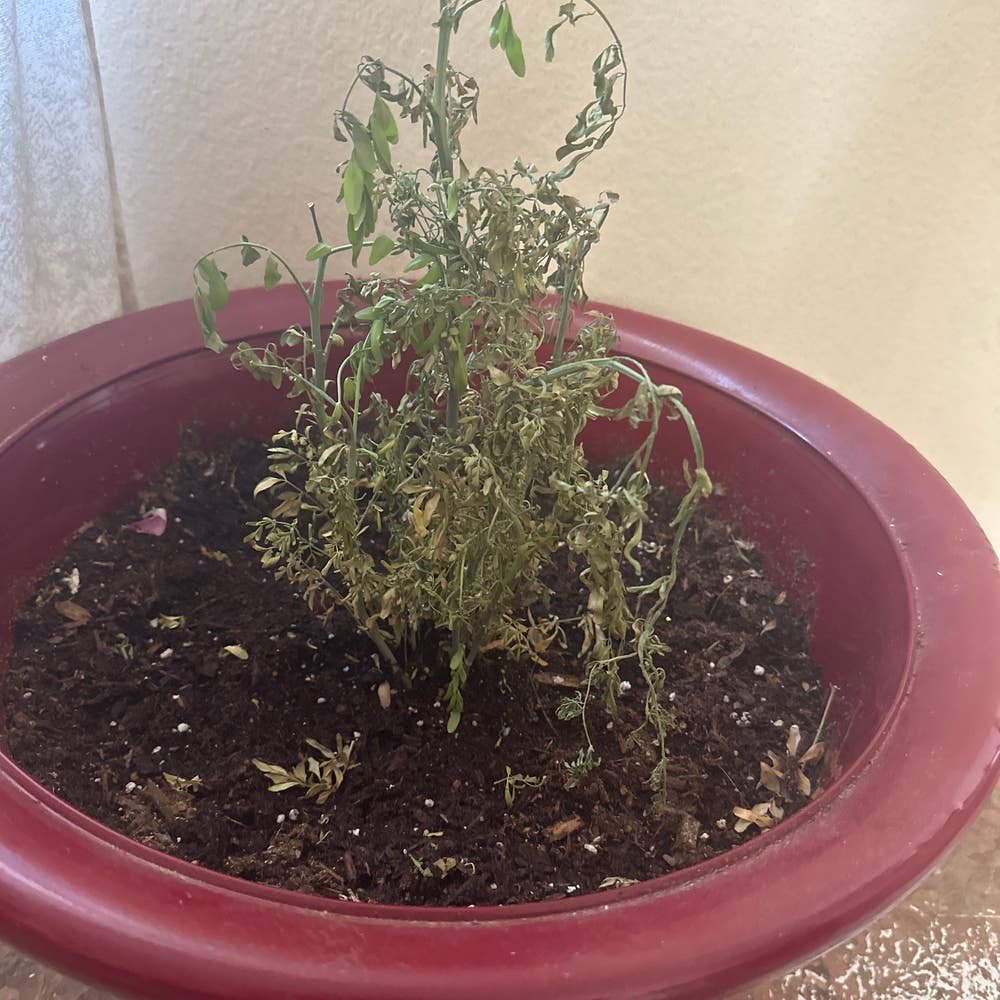
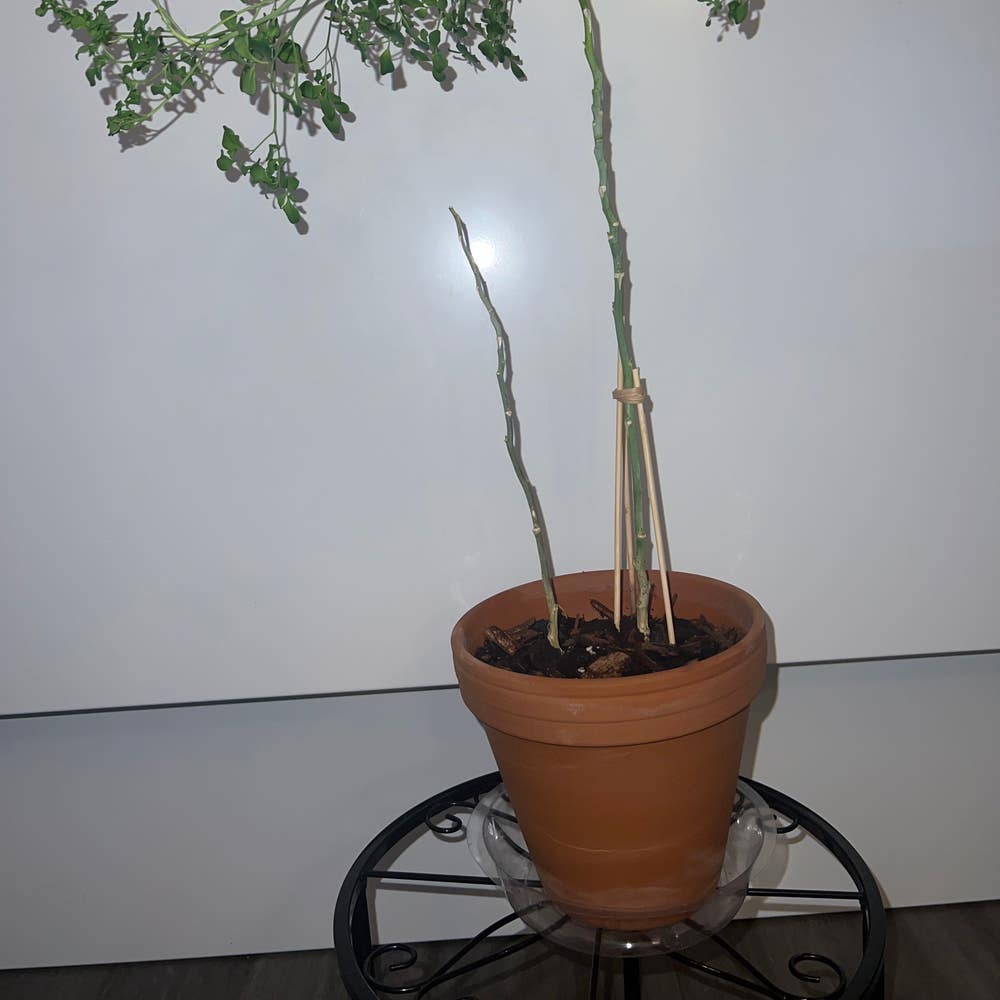
What to Do About Your Rue Wilting
Ruta graveolens
By the Greg Editorial Team
Oct 11, 2024•5 min read
This article was created with the help of AI so we can cover more plants for you. May contain errors. See one? Report it here.
Rescue your wilting Rue plant 🌱 with these essential care tips for vibrant health and lasting beauty!
- 💧 Water stress causes wilting; check soil moisture to prevent drooping and yellowing.
- ☀️ Heat stress leads to curling leaves; relocate Rue to a shadier spot during peak hours.
- 🌱 Inspect roots for rot; repot in fresh soil if disease-related wilting occurs.
Common Causes of Wilting Leaves
💧 Water Stress
Water stress is a primary culprit behind wilting leaves. This occurs when your Rue plant experiences either insufficient or excessive water, leading to distress.
Symptoms of water stress are easy to spot. Leaves may droop, turn yellow, or even become crispy, signaling that your plant needs immediate attention.
🔥 Heat Stress
Heat stress is another significant factor that can cause wilting. When exposed to high temperatures, Rue plants can become dehydrated, leading to wilting.
You might notice leaves curling or developing scorched edges. These signs indicate that your plant is struggling to cope with the heat.
🦠 Disease-Related Wilting
While less common, disease-related wilting can occur in Rue plants. Pathogenic wilt, such as root rot, is typically unlikely in healthy plants but can still happen.
If you suspect disease, it's essential to act quickly. Regular checks can help you catch any issues before they escalate.
Understanding these causes is crucial for maintaining a healthy Rue plant. By identifying the signs early, you can take the necessary steps to revive your plant and keep it thriving.
Diagnosing Wilting
📝 Step-by-Step Guide
Assess Soil Moisture: Start by checking the soil. Is it dry to the touch or overly saturated? This initial step can reveal a lot about your Rue's health.
Observe Environmental Conditions: Take note of the temperature and humidity levels around your plant. Extreme conditions can significantly affect its well-being.
Inspect Leaves: Look closely at the leaves for any signs of distress. Discoloration, curling, or other unusual changes can indicate specific issues.
🔍 Signs to Look for
Yellowing Leaves: This often points to overwatering or a nutrient deficiency. If your Rue's leaves are turning yellow, it’s time to investigate further.
Curling Leaves: Curling can signal heat stress or water stress. Pay attention to this sign, as it can escalate quickly if not addressed.
Drooping Leaves: Drooping is a general indicator of stress. It’s a call for action, prompting you to dig deeper into your plant's needs.
Diagnosing wilting in your Rue is crucial for its recovery. By following these steps and recognizing these signs, you can take informed actions to restore your plant's vitality. Next, let’s explore actionable solutions to tackle these issues effectively.
Solutions for Wilting
💧 Actionable Advice for Water Stress
Water stress is a common issue for Rue plants. To combat this, adjust your watering schedule so you only water when the top inch of soil is dry.
Implementing bottom watering techniques can also be beneficial. Place your Rue in a shallow tray of water for about 30 minutes, allowing it to absorb moisture from the bottom.
🌡️ Actionable Advice for Heat Stress
If your Rue is suffering from heat stress, consider relocating it to a shadier spot during peak heat hours. This simple move can significantly reduce leaf curling and scorching.
Additionally, increasing humidity around the plant can help. Use a humidity tray or mist the leaves to create a more favorable environment.
🦠 Actionable Advice for Disease-Related Wilting
For disease-related wilting, start by inspecting the roots for signs of rot. If you find any, trim the affected roots and repot the plant in fresh, well-draining soil.
If the problem persists, consider using fungicides. Always follow the package instructions to ensure safe and effective treatment.
By taking these actionable steps, you can effectively address the wilting of your Rue plant. Next, let’s explore preventive measures to minimize future wilting issues.
Preventive Measures
Tips to Minimize Future Wilting 🌱
To keep your Rue thriving, regularly monitor soil moisture. Adjust your watering schedule based on whether the top inch of soil feels dry.
Proper drainage is crucial. Ensure your pots have drainage holes to prevent waterlogging, which can lead to root rot.
Environmental Adjustments ☀️
Position your Rue in a spot that receives full sun for 6-8 hours daily. This exposure promotes healthy growth and vibrant leaves.
Avoid sudden temperature changes. Keeping your Rue in a stable environment helps prevent stress and wilting.
By following these preventive measures, you can create an optimal environment for your Rue, reducing the chances of wilting. Next, let’s explore when it might be time to seek professional help for your plant.
When to Seek Help
🚨 Signs That Indicate Professional Assistance is Needed
If your Rue continues to wilt despite your best care efforts, it might be time to seek help. Persistent wilting can signal deeper issues that require expert intervention.
Look out for signs of severe disease or pest infestation. If you notice unusual spots, mold, or pests on your plant, don’t hesitate to reach out for professional advice.
📚 Resources for Assistance
Local nurseries can be a goldmine of information. Their knowledgeable staff can provide tailored advice specific to your plant's needs.
Consider consulting plant experts for issues that go beyond general care. They can offer insights that might not be readily available online.
Online communities are another great resource. Engaging with fellow plant enthusiasts can provide support, tips, and shared experiences that might just save your Rue.
By knowing when to seek help and where to find it, you can ensure your Rue thrives. Let's explore preventive measures next to keep your plant healthy and happy.
⚠️ Safety First
This content is for general information and may contain errors, omissions, or outdated details. It is not medical, veterinary advice, or an endorsement of therapeutic claims.
Always consult a qualified healthcare professional before using any plant as food, medicine, or supplement.
Never eat any plant (or feed one to pets) without confirming its identity with at least two trusted sources.
If you suspect poisoning, call Poison Control (800) 222-1222, the Pet Poison Helpline (800) 213-6680, or your local emergency service immediately.
Spotted an error? Please report it here.
Revive your wilting Rue with smart watering tips 🌿 and personalized reminders from Greg, ensuring your plant thrives in any environment!