🪴 Planting Rue in the Ground: A Step-by-Step Guide
Ruta graveolens
By the Greg Editorial Team
Oct 11, 2024•7 min read
This article was created with the help of AI so we can cover more plants for you. May contain errors. See one? Report it here.
Cultivate thriving rue plants 🌱 and elevate your garden game with essential planting and care tips! 🌼
- ☀️ Rue thrives in full sun, needing at least 6 hours of direct sunlight daily.
- 🌱 Well-drained, rocky soil is essential; avoid standing water to prevent root rot.
- 🌿 Space rue 12-18 inches apart for optimal growth and resource access.
Choosing the Right Location
🌞 Sunlight Requirements
Rue thrives best in full sun to partial shade. Aim for a minimum of 6 hours of direct sunlight daily to ensure optimal growth.
🌱 Soil and Drainage Considerations
This herb prefers well-drained, rocky soils. Steer clear of areas with standing water, as it can lead to root rot.
📏 Space and Accessibility
When planting outdoors, space your rue plants 12-18 inches apart. Ensure the area is accessible for easy maintenance and harvesting, making your gardening experience enjoyable.
With the right location secured, you're ready to prepare the soil for planting. Let's dive into how to get your soil ready for rue!
Soil Preparation
Soil Testing 🌱
Before planting rue, it's crucial to test your soil. Aim for a pH level between 6.0 and 7.5, which is ideal for optimal growth.
Additionally, check the nutrient content, focusing on nitrogen, phosphorus, and potassium levels. This ensures your plants have the essential nutrients they need to thrive.
Amending Soil 🌿
To improve soil fertility, add organic matter like compost or well-rotted manure. This enriches the soil and promotes healthy growth.
If your soil is heavy, incorporate sand or perlite to enhance drainage. Good drainage is vital to prevent root rot and other issues.
Tilling and Aeration 🚜
Tilling your soil is an essential step in preparation. Aim for a depth of 12-15 inches to aerate the soil effectively.
Timing is key; prepare your soil 2-4 weeks before planting. This gives the amendments time to integrate, setting the stage for healthy rue growth.
With your soil ready, you're one step closer to a flourishing rue garden. Next, let’s dive into the planting instructions to get those seeds or seedlings in the ground!
Planting Instructions ((difficulty:easy))
🌱 Choosing Seeds or Seedlings
When starting your rue garden, you have two options: seeds or seedlings. If you choose seeds, start them indoors 6-8 weeks before the last frost; this gives them a head start. Alternatively, you can purchase seedlings from a nursery for immediate planting.
🌾 Sowing Seeds
Once you have your seeds, it's time to sow them. Plant them about 1/4 inch deep and ensure they are spaced 12-18 inches apart for outdoor planting. This spacing allows each plant to thrive without competing for resources.
🌿 Transplanting Seedlings
After the last frost date, it’s time to transplant your seedlings. Before moving them outdoors, harden them off by gradually exposing them to outdoor conditions for 7-10 days. This acclimatization helps them adjust and thrive in their new environment.
With these planting instructions, you're well on your way to cultivating healthy rue plants. Next, let’s dive into the essential watering and fertilizing practices to keep your plants thriving.
Watering and Fertilizing
🌊 Watering Requirements
Initial Watering
After planting your rue, give it a thorough watering to help establish the roots. For the first week, water daily to ensure the plant gets settled in.
Ongoing Watering Needs
Once established, rue is quite drought-tolerant. Water every 2-3 weeks, but keep an eye out for signs of underwatering, like wilting leaves or dry soil.
Watering Techniques
Deep watering is the best approach, as it encourages strong root growth. Avoid overhead watering to minimize the risk of fungal diseases.
🌱 Fertilizing Best Practices
Timing and Frequency
Fertilize your rue every 4-6 weeks during the growing season for optimal growth. A balanced NPK fertilizer, such as 10-10-10, or organic options will work well.
Application Methods
When using granular fertilizers, apply them around the base of the plant, steering clear of direct contact with the stems. For liquid fertilizers, dilute them and apply during your regular watering sessions.
With proper watering and fertilizing, your rue will thrive, setting the stage for healthy growth and abundant harvesting. Next, let’s explore pruning and ongoing care to keep your plant in top shape.
Pruning and Ongoing Care
🌱 Pruning for Health and Growth
When to Prune
Pruning is essential for maintaining the health and shape of your rue plants. Aim to prune in early spring or late fall after flowering, adjusting the frequency based on your plant's needs.
Pruning Techniques
To promote new growth, remove any dead or yellowing leaves. Additionally, pinching back stems encourages a bushier appearance, making your plants more robust and vibrant.
🌼 Seasonal Maintenance
Spring
As the growing season kicks off, fertilize and prune your rue plants to stimulate new growth. This is the perfect time to give them a fresh start.
Summer
During the summer months, keep a close eye on your plants for pests and ensure they receive adequate water. This proactive approach helps maintain their health and vitality.
Fall
As fall approaches, prepare your rue plants for winter by cutting back their growth. This not only tidies up your garden but also helps the plants conserve energy.
❄️ Winter Care
Mulching
To protect the roots during colder months, apply a layer of mulch around your plants. This insulation helps maintain soil temperature and moisture.
Container Care
If you’re growing rue in containers, consider moving them indoors or to a sheltered location. This will shield them from harsh winter conditions and ensure they thrive come spring.
With proper pruning and ongoing care, your rue plants will flourish, setting the stage for a vibrant growing season ahead. Next, let’s explore common challenges you might face and how to tackle them effectively.
Common Challenges and Solutions
🐛 Identifying Pests and Diseases
Common Pests
Pests can be a real headache for rue growers. Aphids are notorious for curling leaves and leaving a sticky residue behind.
Spider mites are another foe; keep an eye out for fine webbing and stippled leaves, which indicate their presence.
Common Diseases
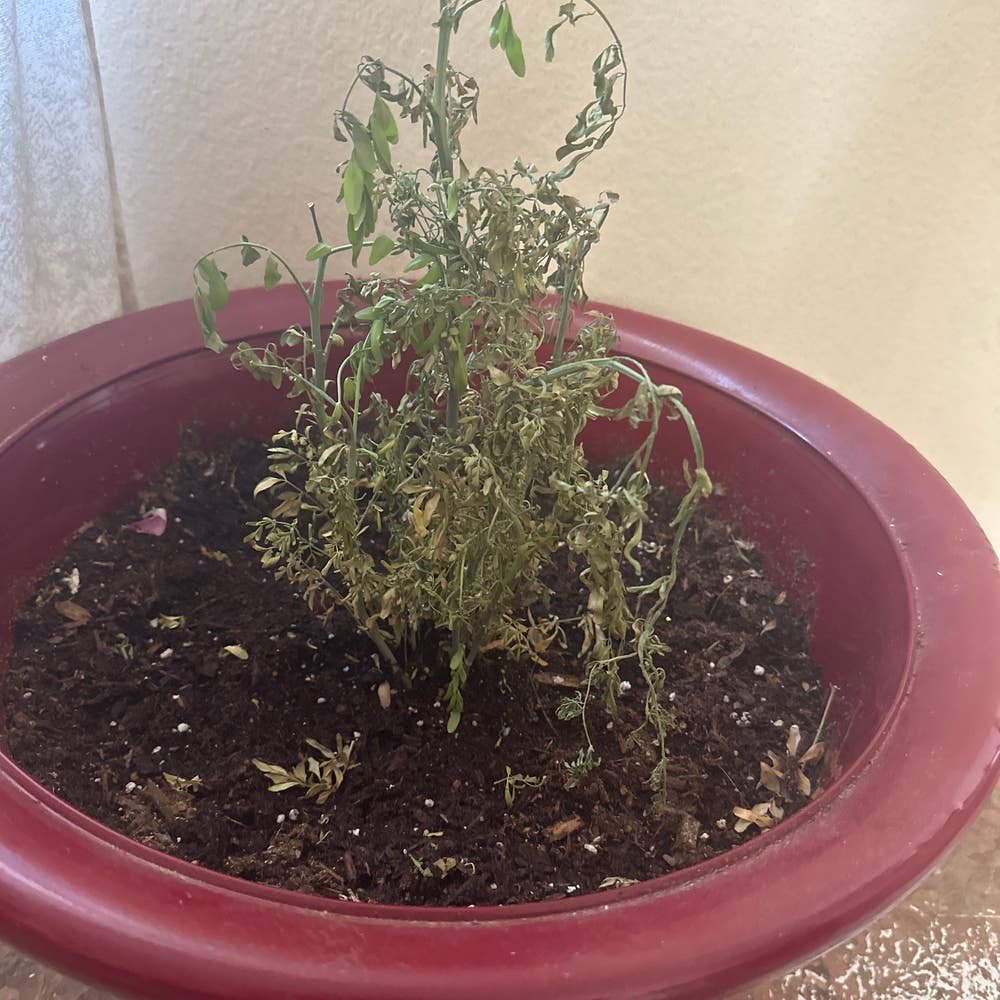
Diseases can also threaten your plants. Root rot is a significant issue, often showing symptoms like wilting and yellowing leaves.
Fungal infections can manifest as leaf spots and blight, making it crucial to act quickly.
💧 Solutions for Watering Issues
Watering can be tricky, but understanding your plant's needs helps. If you suspect overwatering, allow the soil to dry out between waterings to prevent root issues.
On the flip side, if your rue is underwatered, increase the frequency during dry spells to keep it thriving.
🌱 Addressing Nutrient Deficiencies
Nutrient deficiencies can stunt growth and affect plant health. Look for yellowing leaves and stunted growth as signs that your rue may need more nutrients.
To remedy this, adjust your fertilization schedule and amend the soil with organic matter for a nutrient boost.
🌬️ Managing Environmental Stress
Environmental stress can impact your rue's growth. During temperature extremes, providing shade can help protect your plants from the heat.
Additionally, consider using barriers to shield your plants from strong winds, ensuring they remain healthy and upright.
With these challenges addressed, you'll be well-equipped to cultivate a thriving rue garden. Next, let’s explore effective cultivation techniques to maximize your success!
Cultivation Techniques
Outdoor vs. Container Growing 🌱
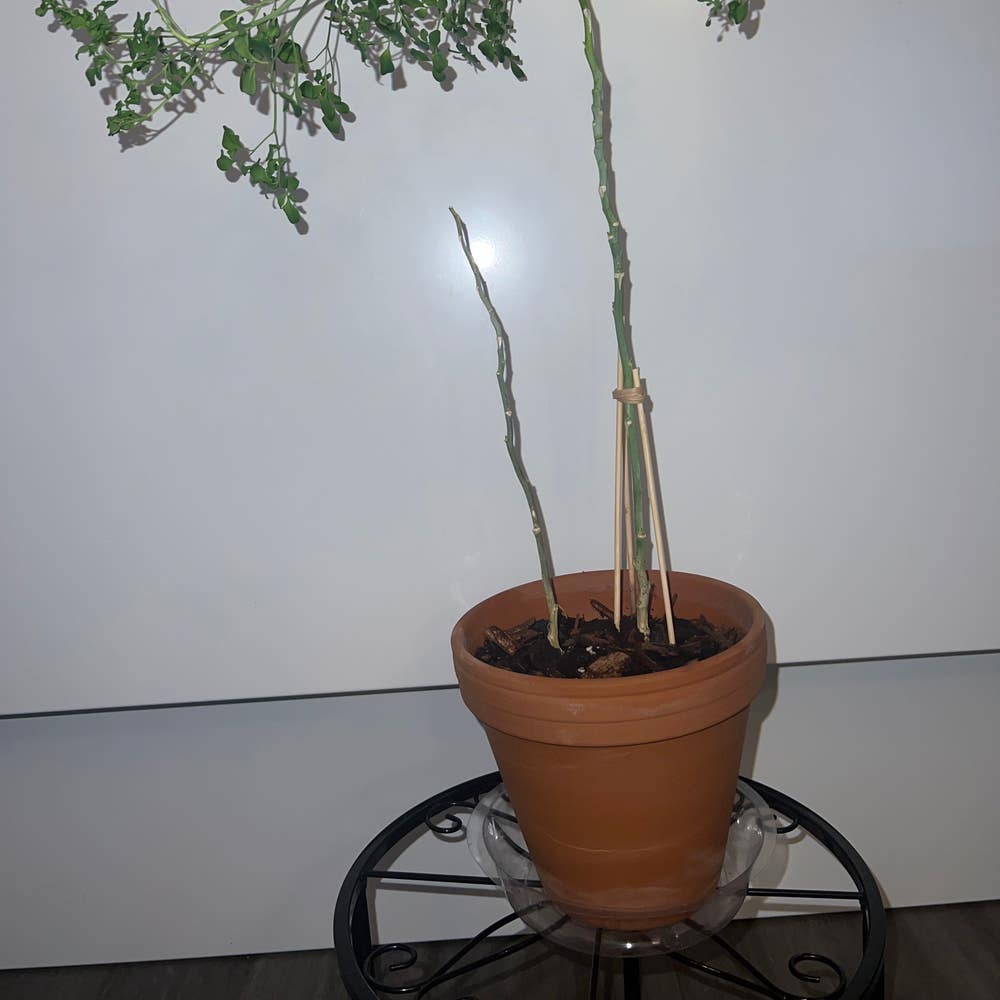
Growing rue outdoors requires well-drained soil and plenty of sunlight. If you're short on space or want to control the environment, container growing is a great option—just ensure your pots have drainage holes and use a suitable potting mix.
Ideal Growth Conditions 🌡️
Rue thrives in temperatures ranging from 60°F to 75°F (15°C to 24°C). It prefers low to moderate humidity, making it a resilient choice for various climates.
Companion Planting 🌼
When planting rue, consider its companions. Basil, sage, and cabbage are beneficial neighbors that can enhance growth. However, steer clear of mint and other invasive species, as they can overshadow rue's development.
Propagation Methods 🌿
You can propagate rue through seeds or division. For seeds, direct sowing or starting indoors works well. If you have established plants, consider dividing them in early spring to encourage new growth.
With these cultivation techniques, you're well on your way to nurturing healthy rue plants. Next, let's explore the essential aspects of watering and fertilizing to keep your plants thriving.
⚠️ Safety First
This content is for general information and may contain errors, omissions, or outdated details. It is not medical, veterinary advice, or an endorsement of therapeutic claims.
Always consult a qualified healthcare professional before using any plant as food, medicine, or supplement.
Never eat any plant (or feed one to pets) without confirming its identity with at least two trusted sources.
If you suspect poisoning, call Poison Control (800) 222-1222, the Pet Poison Helpline (800) 213-6680, or your local emergency service immediately.
Spotted an error? Please report it here.
Grow thriving rue plants 🌱 with Greg's tailored care reminders and expert tips, ensuring your garden flourishes with every step you take!