What to Do About Rue Root Rot 🌿
Ruta graveolens
By the Greg Editorial Team
Oct 11, 2024•5 min read
This article was created with the help of AI so we can cover more plants for you. May contain errors. See one? Report it here.
Rescue your rue from root rot 🌱 with these essential tips for thriving plants and lasting health!
- 🌱 Identify root rot symptoms early: Look for yellowing leaves and mushy roots.
- ✂️ Trim and rinse rotten roots: Remove decay to promote healthy recovery.
- 💧 Water sparingly post-treatment: Limit watering to prevent overwhelming your rue plant.
Identifying Root Rot Symptoms in Rue
👀 Visual Signs of Root Rot
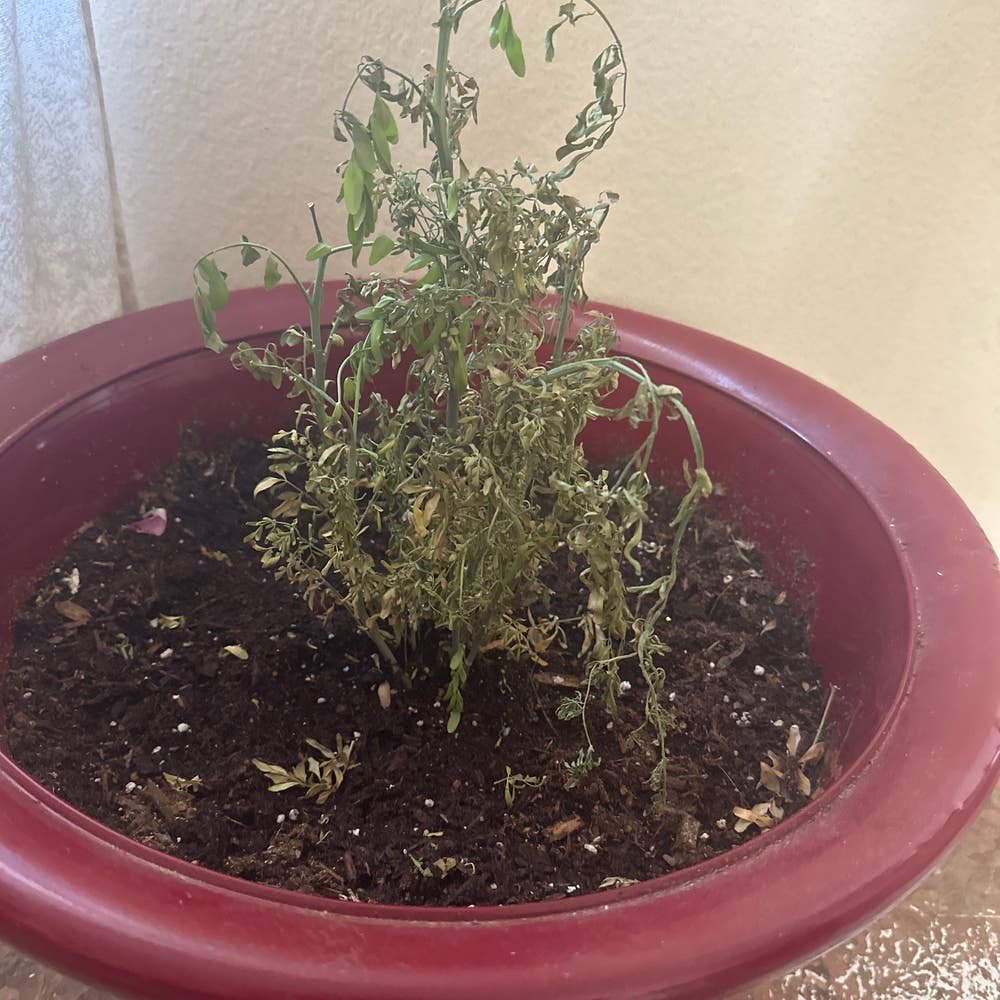
Recognizing root rot in rue is crucial for timely intervention. One of the first signs is yellowing leaves, which often indicate nutrient deficiencies.
Another red flag is wilting, even when you’ve watered adequately. This suggests a loss of turgor pressure, signaling that the roots are struggling.
Lastly, if you inspect the roots and find dark, mushy areas, it’s a clear sign of decay. These visual cues can help you catch the problem early.
🐢 Behavioral Changes in Rue Plants
Behavioral changes in your rue plant can also signal root rot. Stunted growth is a common symptom, reflecting reduced vigor and overall health.
You might also notice leaf drop, where the plant sheds foliage prematurely. Additionally, a foul odor emanating from the soil or around the roots indicates decay, further confirming the issue.
🔍 How to Inspect Rue Roots for Rot
Inspecting the roots is essential for diagnosing root rot. Start by gently removing the plant from its pot to avoid damaging the roots.
Next, examine the root system closely. Look for dark, mushy areas that indicate rot.
Finally, assess the soil. Check for excessive moisture and compaction, as these conditions often lead to root rot.
By being vigilant and proactive, you can help your rue plant recover and thrive.
Alleviating Root Rot in Rue
Step-by-Step Treatment for Affected Rue Plants 🌱
Remove the plant from the pot and inspect roots. Gently take the rue out, being careful not to damage the remaining healthy roots.
Trim away any rotten roots with sterilized scissors. Cut back any dark, mushy areas to prevent further decay.
Rinse healthy roots gently to remove soil and pathogens. This helps eliminate any lingering issues that could cause a recurrence.
Repot in fresh, well-draining soil. Choose a potting mix designed for drainage to keep the roots healthy.
Water sparingly for the first few weeks to avoid reoccurrence. This cautious approach allows the plant to recover without overwhelming it.
Recommended Fungicides and Treatments 🧪
Copper-based fungicides: These are effective against various root pathogens and can help restore balance in the soil.
Biological treatments: Beneficial microbes can outcompete harmful fungi, promoting a healthier root environment.
Homemade remedies: Natural antifungal agents like cinnamon or neem oil can be effective and are easy to apply.
Importance of Root Pruning ✂️
Encourages new growth: Pruning stimulates healthy root development, allowing the plant to thrive.
Reduces pathogen load: By removing infected tissue, you prevent the spread of rot to healthy areas.
Enhances overall plant vigor: A well-pruned plant is more resilient against future issues, setting it up for long-term success.
Taking these steps not only addresses the immediate problem but also fosters a healthier environment for your rue. With proper care, your plant can bounce back and flourish. Next, let’s explore how to prevent root rot from occurring in the first place.
Preventing Root Rot in Rue
Best Practices for Watering Rue 🌧️
Watering rue requires a delicate balance. Allow the soil to dry out between waterings to prevent excess moisture, which can lead to root rot.
Before watering, always check the top inch of soil. This simple step can save your plant from unnecessary stress.
Consider using moisture meters for precise readings. They help you gauge soil moisture levels accurately, ensuring your rue gets just the right amount of water.
Soil Selection and Amendments for Optimal Drainage 🏞️
Choosing the right soil is crucial for rue's health. A well-draining potting mix with perlite or sand is ideal to promote healthy root growth.
Maintain a soil pH between 6.0 and 7.0. This range supports optimal nutrient uptake and overall plant vitality.
Incorporate organic matter into your soil mix. This amendment improves drainage and provides essential nutrients for your rue.
Ideal Potting Techniques for Rue 🪴
Selecting the right pot size is essential. Choose a pot that allows for root expansion without crowding.
Ensure your pots have adequate drainage holes. This prevents waterlogging, which is a common cause of root rot.
Consider using a layering technique. Adding gravel or coarse material at the bottom of the pot enhances drainage and keeps roots healthy.
By following these preventive measures, you can significantly reduce the risk of root rot in your rue plants. Next, let’s explore post-treatment care to ensure your plants thrive after any issues.
Post-Treatment Care for Rue
Monitoring Recovery After Root Rot Treatment 🌱
After treating root rot, it's crucial to keep a close eye on your rue plant. Regular inspections will help you spot new growth and assess root health.
Adjust your watering schedule based on how the plant responds. Always check the soil moisture to avoid overwatering, which can lead to further issues.
Signs of Improvement in Rue Plants 🌿
Look for new leaf growth as a positive sign of recovery. This indicates that your rue is regaining its vigor.
Firm, healthy roots are another indicator of successful treatment. If your plant shows increased resilience, it’s a good sign that it can withstand environmental stressors.
Long-Term Care Strategies to Prevent Recurrence 🔄
To prevent root rot from returning, establish consistent watering practices tailored to your plant's needs. This routine will help maintain optimal moisture levels.
Regularly amend the soil to retain its drainage properties. Healthy soil is key to keeping your rue thriving.
Lastly, conduct seasonal checks for pests and diseases. Early detection can save your plant from future troubles and ensure its long-term health.
With these strategies in place, your rue can flourish and remain resilient against root rot. Transitioning to a proactive care routine will set you up for success in your gardening journey.
⚠️ Safety First
This content is for general information and may contain errors, omissions, or outdated details. It is not medical, veterinary advice, or an endorsement of therapeutic claims.
Always consult a qualified healthcare professional before using any plant as food, medicine, or supplement.
Never eat any plant (or feed one to pets) without confirming its identity with at least two trusted sources.
If you suspect poisoning, call Poison Control (800) 222-1222, the Pet Poison Helpline (800) 213-6680, or your local emergency service immediately.
Spotted an error? Please report it here.
Revive your rue plant by spotting root rot early and taking action, and let Greg guide you with customized care reminders 🌿 to keep your plants thriving and healthy!