Understanding Herb-of-Grace: The Basics
Ruta graveolens
By the Greg Editorial Team
Jan 24, 2025•13 min read
This article was created with the help of AI so we can cover more plants for you. May contain errors. See one? Report it here.
Cultivate thriving Herb-of-Grace 🌱 with essential tips for growth, care, and delicious culinary uses!
- 🌞 Herb-of-Grace needs 6-8 hours of sunlight daily for optimal growth.
- 🌱 Plant in well-drained, slightly alkaline soil for best results.
- 🐾 Herb-of-Grace is toxic to pets and humans; handle with care!
How to Grow
🌞 Choosing a Location
To thrive, Herb-of-Grace needs full sun exposure, ideally 6-8 hours daily. Whether you’re planting outdoors or in containers, ensure the location receives ample sunlight for optimal growth.
🌱 Soil Preparation
Start with well-drained, fertile soil to support healthy development. Aim for a slightly alkaline pH level between 6.5 and 8.0 to create the perfect environment for your plants.
🌼 Planting Techniques
The best time to plant Herb-of-Grace is in spring or early fall. When planting outdoors, space your plants 12-18 inches apart to allow for adequate growth and airflow.
💧 Watering Requirements
Water your Herb-of-Grace when the top inch of soil feels dry. Be cautious to avoid waterlogged conditions, as this can lead to root rot and other issues.
🌿 Fertilizing Schedule
Use a balanced NPK fertilizer to nourish your plants. Apply it every 4-6 weeks during the growing season to keep them healthy and productive.
✂️ Pruning Methods
Prune your Herb-of-Grace in early spring before new growth begins. Pinching back the tips of the stems encourages bushier growth, resulting in a fuller plant.
🔍 Ongoing Care
Regularly monitor your plants for pests and diseases to catch any issues early. Adjust your care routine based on environmental conditions to ensure your Herb-of-Grace continues to thrive.
With these growing tips, you’re well on your way to cultivating a healthy Herb-of-Grace. Next, let’s explore how to propagate this versatile plant for even more growth opportunities.
Propagation
🌱 Seed Propagation
Seed propagation is a straightforward method to grow Herb-of-Grace. Sow seeds at a depth of 1/4 inch, ensuring they have enough soil coverage to germinate effectively.
Germination typically takes between 14 to 21 days. Keep the soil consistently moist but not soggy to encourage healthy sprouting.
✂️ Cutting Propagation
Cutting propagation is another effective way to expand your Herb-of-Grace collection. Select healthy stems that are 4-6 inches long, as these will root best.
For the rooting medium, use a moist potting mix. This environment provides the right balance of moisture and drainage to promote root development.
Both methods are rewarding and can lead to a thriving herb garden. Whether you choose seeds or cuttings, you'll soon enjoy the benefits of this versatile plant.
Lifecycle
Lifecycle Stages 🌱
Herb-of-Grace is classified as a perennial plant, meaning it lives for multiple years. This characteristic allows it to thrive and return each growing season, providing consistent beauty and utility in the garden.
Germination Process 🌡️
For optimal germination, the seeds prefer a warm environment, ideally around 70°F (21°C). This temperature helps kickstart the growth process, leading to healthy seedlings.
Seedling Stage 🌿
Once germinated, the seedling stage lasts about 4-6 weeks before the plants are ready for transplanting. During this time, they develop their initial leaves and roots, setting the foundation for future growth.
Vegetative Growth 🌳
Following the seedling stage, Herb-of-Grace enters a vigorous vegetative growth phase that lasts 6-8 weeks. This period is crucial as the plant establishes itself, growing taller and bushier.
Flowering and Seed Production 🌼
Expect flowering to occur from late spring to early summer. This is when the plant showcases its beautiful blooms, which not only attract pollinators but also set the stage for seed production.
Lifespan and Growth Rate ⏳
Herb-of-Grace typically has a lifespan of 3-5 years, with a moderate growth rate. It generally reaches maturity within 2-3 years, making it a reliable addition to any garden.
As you explore the lifecycle of Herb-of-Grace, consider how each stage contributes to its overall health and productivity. This understanding will enhance your gardening experience and ensure your plants thrive. Next, let’s delve into the size of this remarkable herb.
Size
Mature Height and Spread 🌱
Herb-of-Grace typically reaches a height of 2 to 3 feet, making it a manageable addition to any garden. Its spread ranges from 1 to 2 feet, allowing it to fit well in various planting arrangements.
Growth Rate and Size Variability 📈
The size of Herb-of-Grace can vary significantly based on several factors. Key influences include soil quality, water availability, and sunlight exposure, all of which play a crucial role in determining its overall growth.
Understanding these elements can help you optimize your growing conditions, ensuring your Herb-of-Grace thrives beautifully. As you cultivate this plant, keep an eye on these factors to achieve the best results.
Roots
Root System Characteristics 🌱
Herb-of-Grace features a robust taproot system that can extend up to 2 feet deep. This deep rooting helps the plant access nutrients and water, making it resilient in various conditions.
Common Root-Related Issues 🚫
One of the most common problems is root rot, which typically occurs due to overwatering. Healthy roots are firm and white, while unhealthy roots appear brown and mushy, signaling a need for immediate action.
Recognizing Rootbound Plants 🔍
If you notice roots growing out of the drainage holes of your pot, your plant may be rootbound. The solution is simple: repot the plant into a larger container to give it room to grow and thrive.
Understanding the root system of Herb-of-Grace is crucial for its overall health. By monitoring root conditions and addressing issues promptly, you can ensure your plant flourishes beautifully.
Next, let’s explore the benefits of growing Herb-of-Grace and how it can enhance your garden and culinary experiences.
Benefits
Top 5 Benefits 🌟
Herb-of-Grace is not just a pretty plant; it brings a wealth of benefits to your garden and kitchen. Here are the top five reasons to consider adding it to your space.
Culinary Uses
This herb is a flavor powerhouse. Its fresh leaves can elevate a variety of dishes, adding depth and complexity to your culinary creations.
Medicinal Properties
Historically, Herb-of-Grace has been celebrated for its medicinal qualities. It has been used to address various ailments, making it a staple in traditional remedies.
Pest Deterrent
One of the best perks of growing Herb-of-Grace is its natural pest-repelling abilities. It can help keep certain insects at bay, reducing the need for chemical pesticides.
Aromatic Qualities
The pleasant fragrance of Herb-of-Grace makes it a delightful addition to any garden. Its aroma can enhance your outdoor space, creating a soothing atmosphere.
Cultural Significance
Beyond its practical uses, Herb-of-Grace holds cultural importance. It has been associated with protection and rituals throughout history, adding a layer of meaning to your gardening efforts.
Incorporating Herb-of-Grace into your garden not only enriches your culinary experiences but also connects you to a tradition of natural healing and cultural significance. Next, let’s explore how to propagate this versatile herb effectively.
Companion Plants
Concept of Companion Planting 🌱
Companion planting is a gardening strategy that pairs plants together for mutual benefits. This practice enhances growth, improves pest management, and increases overall garden diversity.
Best Companion Plants 🌼
When growing Herb-of-Grace, consider these excellent companions:
- Basil: Enhances flavor and repels pests.
- Marigold: Deters harmful insects with its strong scent.
- Thyme: Attracts beneficial pollinators and improves soil health.
These plants not only thrive alongside Herb-of-Grace but also contribute to a healthier garden ecosystem.
Plants to Avoid 🚫
While some plants are great companions, others can hinder growth. Avoid planting Herb-of-Grace near:
- Fennel: Competes for nutrients and space.
- Other members of the Apiaceae family: Such as carrots and parsley, which can attract similar pests.
Choosing the right companions can make a significant difference in your garden's success.
By understanding companion planting, you can create a thriving environment for your Herb-of-Grace and other plants. This knowledge sets the stage for exploring the benefits of Herb-of-Grace in your garden.
Toxicity to Humans
Toxic Parts 🌿
Herb-of-Grace is not just a pretty plant; its leaves and stems contain toxic compounds that can pose serious health risks. Understanding these toxic parts is crucial for safe handling and usage.
Symptoms of Poisoning 🤢
If ingested, the common symptoms of poisoning include nausea, vomiting, diarrhea, and dizziness. These reactions can vary in severity, so it's essential to be aware of how your body responds.
How Poisoning Can Occur 🚫
Poisoning can happen through several routes: ingestion of the plant, skin contact with its sap, or even inhalation of smoke from burning it. Awareness of these exposure methods can help prevent accidental poisoning.
When to Seek Medical Care 🚑
If you or someone else experiences severe symptoms or has ingested the plant, seeHerb-of-Graceedical care. Quick action can make a significant difference in treatment outcomes.
Understanding the toxicity of Herb-of-Grace is vital for anyone who grows or interacts with this plant. Next, let’s explore its edible parts and how to safely enjoy its benefits.
Edible
🌿 Edible Parts
Herb-of-Grace offers delightful culinary options, particularly its young leaves and flowers. However, be cautious—mature leaves and stems are not edible and should beHerb-of-Grace# 🌱 Identification and Harvesting Techniques The best time to harvest is in spring when the young leaves are tender and flavorful. Look for vibrant green leaves that are still young and fresh for the tastiest addition to your dishes.
🥗 Nutritional Value
These young leaves and flowers are not just tasty; they are also packed with vitamins and antioxidants. Incorporating them into your meals can boost your nutritional intake while enhancing flavor.
With this knowledge, you can confidently enjoy the benefits of Herb-of-Grace in your kitchen. Next, let’s explore its potential toxicity to pets, ensuring a safe environment for your furry friends.
Toxicity to Dogs
Toxic Parts 🐶
All parts of the Herb-of-Grace plant are toxic to dogs. This includes the leaves, stems, and flowers, so it's crucial to keep your furry friends away from it.
Symptoms of Poisoning 🤢
If a dog ingests any part of this plant, common symptoms include vomiting, drooling, and weakness. These signs can vary in severity, so it's esseHerb-of-Gracetor your pet closely.
Prevention Measures 🚫
Supervision is key when your dog is outdoors. Keeping an eye on them can prevent accidental ingestion of harmful plants like Herb-of-Grace.
Importance of Veterinary Care 🏥
If you suspect your dog has ingested Herb-of-Grace, seek veterinary care immediately. Prompt attention can make a significant difference in your pet's recovery.
By being aware of the toxicity of Herb-of-Grace, you can ensure a safer environment for your beloved canine companion. Next, let’s explore the toxicity of this plant to cats, as they are also at risk.
Toxicity to Cats
Toxic Parts 🐱
All parts of the Herb-of-Grace plant are toxic to cats. This includes the leaves, stems, and flowers, making it crucial to keep your feline friends away from this herb.
Symptoms of Poisoning 🤢
If a cat ingests any part of the plant, you may notice symptoms like vomiting, diarrhea, or tremors. These signs can vary in severity, so it's essential to monitor your pet closely.
Prevention Measures 🚫
To prevent accidental ingestion, keep cats indoors and supervise them during outdoor time. Creating a safe environment can help avoid potential poisoning incidents.
Importance of Veterinary Care 🏥
If you suspect your cat has ingested Herb-of-Grace, seek veterinary care immediately. Prompt attention is vital, especially if severe symptoms arise, ensuring your pet receives the necessary treatment.
Understanding the risks associated with Herb-of-Grace can help you protect your furry companions. Next, let’s explore how this plant can affect dogs, as they too are at risk from its toxic properties.
Problems
Common Problems 🌱
Growing Herb-of-Grace can be rewarding, but it’s not without its challenges. Here are some common problems you might encounter:
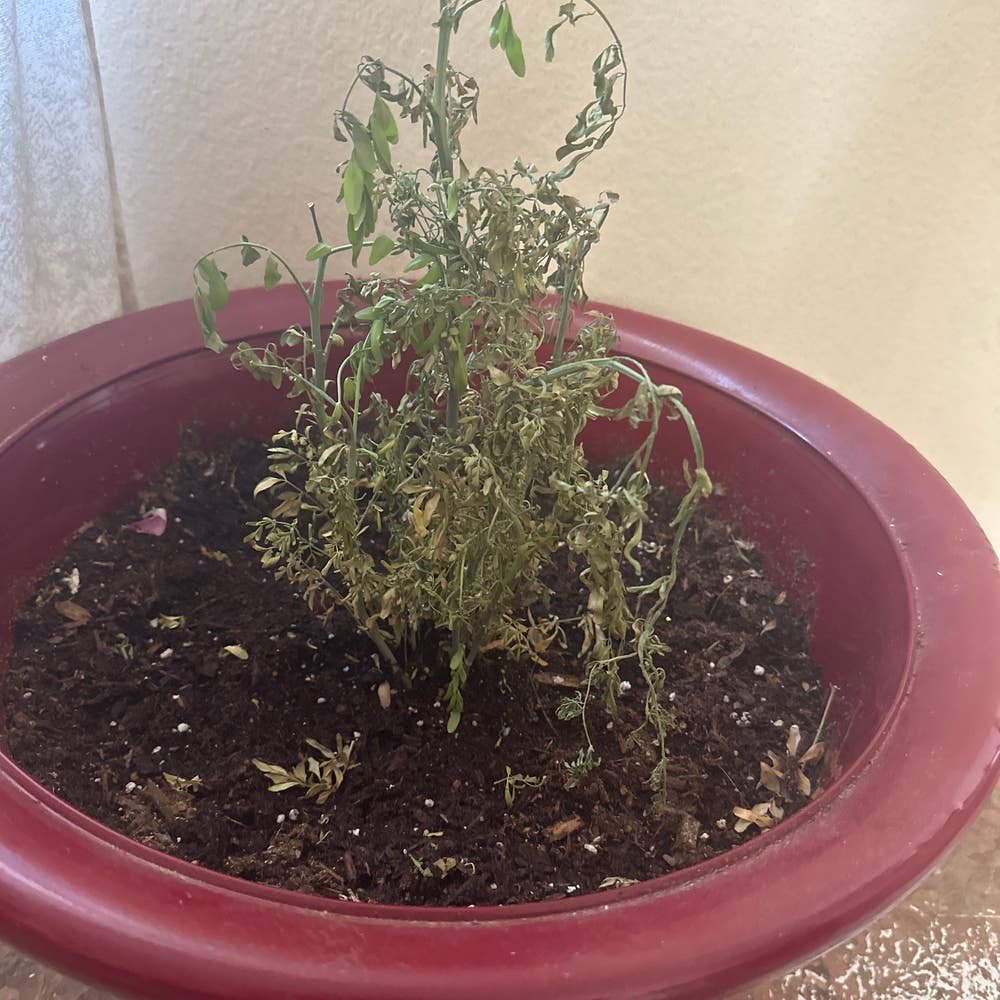
- Incorrect Watering: Overwatering can lead to root rot, while underwatering causes wilting.
- Incorrect Light Conditions: Insufficient light can stunt growth and lead to leggy plants.
- Diseases: Fungal issuHerb-of-Graceowdery mildew, can affect the leaves and overall health.
- Leaf Issues: Yellowing or scorching leaves often indicate stress or nutrient deficiencies.
- Growth Problems: Etiolated or leggy growth is a sign that your plant is stretching for light.
Identifying Symptoms 🔍
Recognizing the symptoms of these problems is crucial for effective management.
- Overwatering: Look for yellowing leaves and a soggy soil texture.
- Underwatering: Wilting leaves and dry soil are clear indicators.
- Insufficient Light: Stretched stems and small leaves signal a lack of light.
- Fungal Diseases: White powdery spots on leaves are a telltale sign of powdery mildew.
- Leaf Issues: Scorched edges or yellowing can indicate environmental stress.
Solutions for Common Issues 🛠️
Addressing these problems can be straightforward with the right approach.
- Watering: Check soil moisture before watering; aim for a balance.
- Light Conditions: Move your plant to a sunnier spot if it appears leggy.
- Disease Management: Remove affected leaves and Herb-of-Gracedes if necessary.
- Leaf Care: Adjust watering and fertilization to prevent yellowing or scorching.
- Growth Issues: Ensure your plant receives adequate light and nutrients to promote healthy growth.
By staying vigilant and responsive to these common issues, you can keep your Herb-of-Grace thriving. Next, let’s explore the pests that might disrupt your gardening efforts.
Bugs
🐞 Pest Resistance
Herb-of-Grace is generally pest-resistant, making it a resilient choice for your garden. However, it can still fall prey to certain pests that may require your attention.
🐜 Common Pests
The most common pests that target Herb-of-Grace include spider mites, aphids, and whiteflies. These tiny invaders can cause significant damage if not managed promptly.
🧪 Treatment Options
To combat these pests, you have both organic and chemical control methods at your disposal. Organic optiohealthy gardenem oil or insecticidal soap, are effective and environmentally friendly, while chemical trHerb-of-Graceprovide a quicker solution if needed.
🔍 Monitoring and Prevention
Regularly inspect your plants for signs of infestation. Early detection is key to preventing a small problem from becoming a larger issue.
🌱 Integrated Pest Management
Consider implementing an integrated pest management (IPM) approach. This combines cultural, biological, and chemical practices to keep your Herb-of-Grace healthy and thriving.
By staying vigilant and proactive, you can enjoy the many benefits of Herb-of-Grace without the worry of pest-related issues. Next, let’s explore the various animals that might be interested in munching on your plants.
What Eats
Common Animals 🦌
Herb-of-Grace can attract a variety of hungry critters. The most common culprits include deer, rabbits, and squirrels, all of which may find your plants irresistible.
Signs of Animal Presence 🐾
To identify if animals are munching on your Herb-of-Grace, look for specific signs. Tracks, droppings, and damaged foliage are clear indicators that your garden has been visited by these furry friends.
Damage Caused 🌿
The damage caused by these animals can vary. You might notice chewed leaves, stripped stems, or even entire plants uprooted, which can be disheartening for any gardener.
Deterrent Methods 🚫
To protect your plants, consider using both chemical and organic control methods. Options like repellents, fencing, or even planting deterrent species can help keep these animals at bay and ensure your Herb-of-Grace thrives.
As you implement these strategies, you'll find that maintaining a healthy garden is a rewarding journey. Next, let's explore the common pests that can also threaten your Herb-of-Grace.
⚠️ Safety First
This content is for general information and may contain errors, omissions, or outdated details. It is not medical, veterinary advice, or an endorsement of therapeutic claims.
Always consult a qualified healthcare professional before using any plant as food, medicine, or supplement.
Never eat any plant (or feed one to pets) without confirming its identity with at least two trusted sources.
If you suspect poisoning, call Poison Control (800) 222-1222, the Pet Poison Helpline (800) 213-6680, or your local emergency service immediately.
Spotted an error? Please report it here.
Unlock the full potential of your Herb-of-Grace 🌱 with Greg's custom watering alerts and care tips, ensuring your plants flourish while you enjoy their culinary delights!