Common Rue Wilting? Here's What to Do 🌼
Ruta graveolens
By the Greg Editorial Team
Oct 09, 2024•5 min read
This article was created with the help of AI so we can cover more plants for you. May contain errors. See one? Report it here.
Transform your wilting Common Rue 🌱 into a thriving beauty with essential care tips and expert insights!
- 💧 Common Rue wilts from water stress, heat, or rare diseases.
- 🌡️ Check soil moisture and environmental conditions to prevent wilting.
- 🌱 Deep watering and pruning promote recovery and healthy growth.
Causes of Wilting
🌊 Common Causes
Water Stress
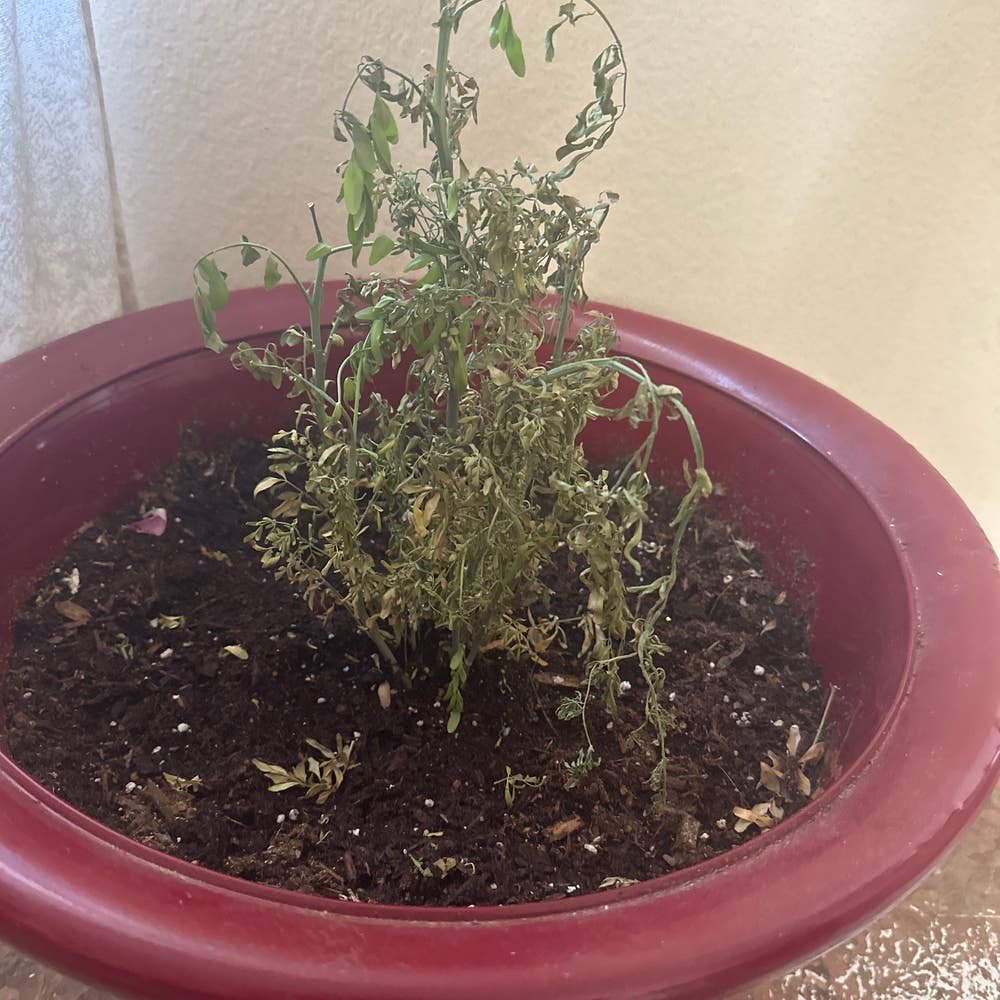
Wilting in Common Rue often starts with water stress. You’ll notice leaves drooping, dry soil, and crispy edges, signaling that the plant isn’t getting enough moisture.
Despite being drought-tolerant, Common Rue can still wilt if it’s not watered adequately. Regular checks on soil moisture can help prevent this issue.
Heat Stress
Another common culprit is heat stress. Symptoms include curling leaves, browning tips, and an overall droopy appearance.
Excessive heat can lead to rapid moisture loss, causing the plant to struggle. Keeping an eye on temperature changes is essential for maintaining plant health.
🌱 Uncommon Causes
Disease-Related Wilting
While it’s rare, disease-related wilting can occur in Common Rue. If you notice yellowing leaves, stunted growth, and wilting despite proper care, it might be time to investigate further.
Focus on environmental factors first, as they are more likely to be the cause. Pathogenic wilt is uncommon, so don’t jump to conclusions without assessing the surroundings.
Understanding these causes is crucial for effective plant care. By identifying the signs early, you can take action to revive your Common Rue and keep it thriving.
Diagnosing Wilting
Step-by-Step Guide 🌱
Assess Soil Moisture
Start by checking the top inch of soil for dryness. A moisture meter can provide a more accurate reading.Evaluate Environmental Conditions
Look at the temperature and humidity levels around your plant. Recent weather changes, like heat waves or drought, can significantly impact wilting.Inspect Leaves for Signs of Stress
Examine the leaves for discoloration, curling, or browning. Also, keep an eye out for any pests or fungal growth that could be affecting your plant.
Signs to Look For 👀
Drooping Leaves and Stems
This is often the first visible sign of distress.Leaf Color Changes
Yellowing or browning leaves indicate that something is off.Texture Changes
Leaves may feel crispy or mushy, signaling different types of stress.
By following these steps, you can pinpoint the cause of your Common Rue's wilting. Understanding these signs will help you take the right actions to revive your plant and keep it thriving. Next, let’s explore actionable solutions to address the wilting issues you've diagnosed.
Solutions for Wilting
🌊 Actionable Advice for Water Stress
Watering Techniques
To combat water stress, aim to water your Common Rue deeply but infrequently. This method encourages robust root growth, allowing the plant to access moisture more effectively.
☀️ Actionable Advice for Heat Stress
Relocation Strategies
If your plant is suffering from heat stress, consider relocating it to a shaded area during peak sunlight hours. This simple move can significantly reduce moisture loss and help your plant recover.
🦠 Actionable Advice for Disease-Related Wilting
Monitoring and Treatment
Should you suspect disease as the cause of wilting, it's crucial to isolate the affected plant. This step prevents the potential spread of pathogens and allows you to monitor the situation closely.
By implementing these solutions, you can effectively address the wilting of your Common Rue. Next, let’s explore preventive measures to keep your plant thriving in the long run.
Preventive Measures
🌱 Tips to Minimize Future Wilting
To keep your Common Rue thriving, regularly check soil moisture levels. A quick finger test can help; if the top inch feels dry, it’s time to water.
Implementing a consistent watering schedule based on seasonal changes is crucial. This ensures your plant receives the right amount of hydration throughout the year.
🌬️ Environmental Adjustments
Proper spacing is essential for air circulation around your plants. Crowded conditions can lead to increased humidity and stress, making wilting more likely.
Using mulch is another effective strategy. It helps retain soil moisture and regulates temperature, creating a more stable environment for your Common Rue.
By taking these preventive measures, you can significantly reduce the chances of wilting. This proactive approach not only enhances plant health but also makes your gardening experience more rewarding.
Next, let’s explore how to revive a wilted plant effectively.
Reviving a Wilted Plant
🌱 Techniques
Bottom Watering
To revive your wilted Common Rue, start with bottom watering. Simply place the pot in a shallow tray of water for about 30 minutes.
This method encourages deep root absorption without the risk of overwatering, ensuring your plant gets the hydration it desperately needs.
Temporary Relocation
Another effective technique is temporary relocation. Move your plant to a cooler, shaded area for a few days.
This strategy helps reduce heat stress, allowing your Common Rue to recover and regain its vitality.
Pruning Damaged Leaves
If your plant still shows signs of distress, consider pruning damaged leaves. Use clean, sharp scissors to remove any wilted or unhealthy foliage.
This not only encourages new growth but also improves the overall health of your plant, giving it a fresh start.
Reviving a wilted plant can be a rewarding experience, and with these techniques, you can help your Common Rue bounce back. Next, let’s explore when it’s time to seek expert help for persistent issues.
When to Seek Help
Signs for Expert Assistance 🌱
Sometimes, despite your best efforts, your Common Rue may continue to wilt. If you notice persistent wilting even after adjusting care routines, it’s time to consider seeking help.
Additionally, keep an eye out for signs of disease or pest infestations. If you spot unusual discoloration, stunted growth, or pests that seem unmanageable, don’t hesitate to reach out for expert advice.
Resources 📚
Local nurseries can be a goldmine of information. They often have knowledgeable staff who can provide tailored advice for your specific situation.
Online plant care communities are another fantastic resource. Engaging with fellow plant enthusiasts can offer new insights and support as you navigate your plant care journey.
⚠️ Safety First
This content is for general information and may contain errors, omissions, or outdated details. It is not medical, veterinary advice, or an endorsement of therapeutic claims.
Always consult a qualified healthcare professional before using any plant as food, medicine, or supplement.
Never eat any plant (or feed one to pets) without confirming its identity with at least two trusted sources.
If you suspect poisoning, call Poison Control (800) 222-1222, the Pet Poison Helpline (800) 213-6680, or your local emergency service immediately.
Spotted an error? Please report it here.
Revive your Common Rue from wilting by using Greg's personalized watering alerts and environmental insights to keep it thriving and vibrant! 🌿