🌞 Is My Common Rue Getting Too Much Direct Sunlight?
Ruta graveolens
By the Greg Editorial Team
Jun 18, 2024•3 min read
This article was created with the help of AI so we can cover more plants for you. May contain errors. See one? Report it here.
Master your Common Rue's sunlight needs to ensure a vibrant, healthy plant. 🌞🌿
- Yellow leaves mean too much sun; move Common Rue to shade and mist.
- 🌿 Vibrant leaves indicate perfect sunlight; ensure at least six hours daily.
- Rotate plant with seasons for optimal sun exposure, considering window direction.
Spotting the Signs: Common Rue and Sunlight Exposure
🌞 When Common Rue Gets a Sunburn
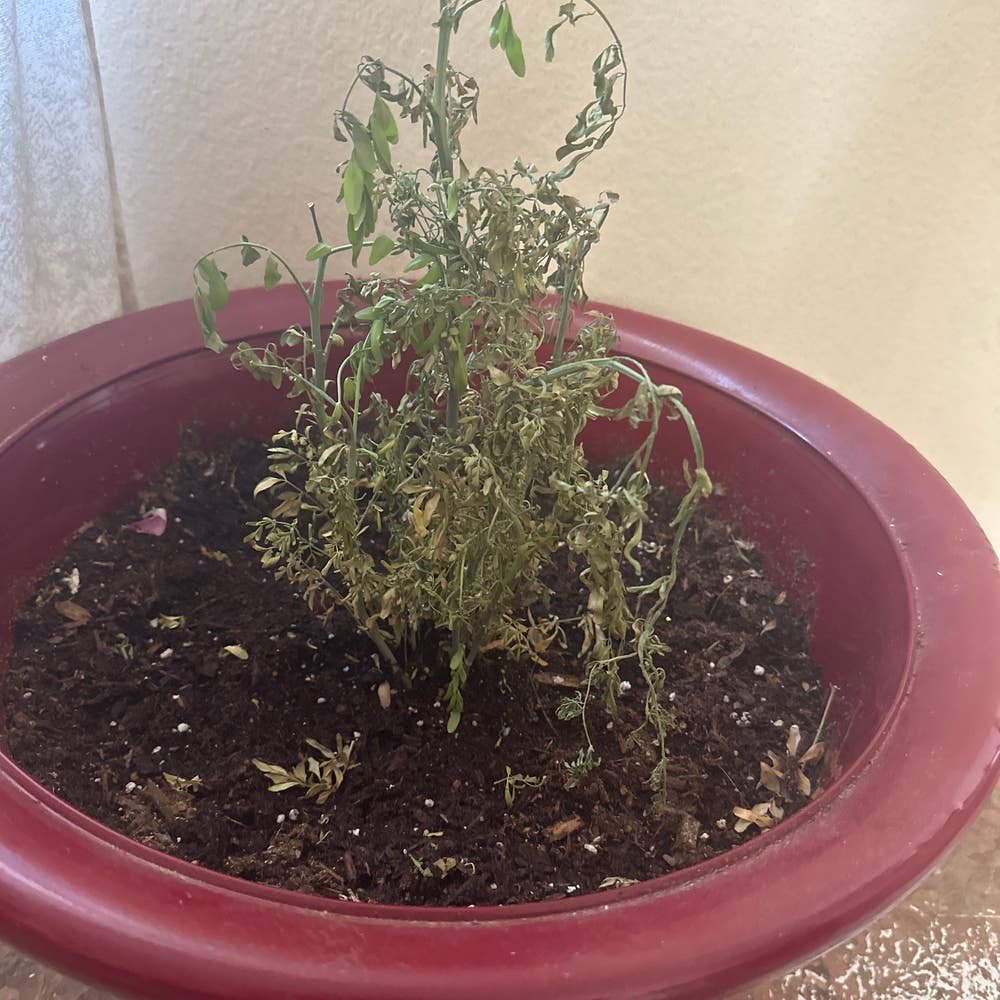
Yellowing leaves and scorching are telltale signs your Common Rue is throwing in the towel under too much sun. If your plant's foliage is looking more fried than a beachgoer without sunscreen, it's time to act. Immediate steps: relocate to a shadier spot and consider a soothing mist of water.
🌞 Happy in the Sun: Positive Signs of Adequate Sunlight
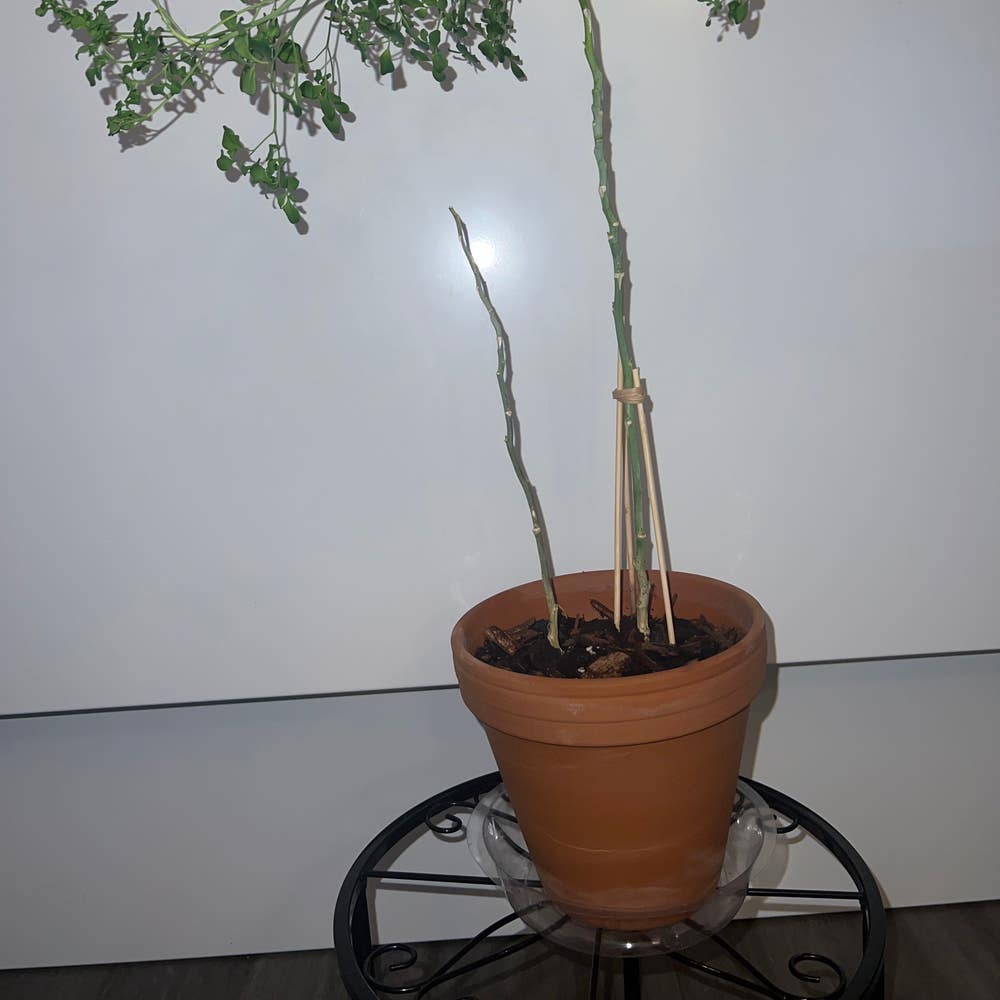
A Common Rue basking in just the right amount of sunlight is like a content cat in a sunny window. Look for vibrant green leaves and sturdy stems—these are your green thumbs up. It's all about striking that sweet spot between the plant's light needs and its light tolerance.

The Science of Sunlight and Common Rue
🌞 Direct vs. Indirect Sunlight: A Kid-Friendly Explanation
Direct sunlight is the unfiltered solar high-five your Common Rue gets outdoors or through a clear window. It's like standing in the spotlight—intense and direct. Indirect sunlight, however, is like the sun playing hide-and-seek, bouncing off surfaces or filtering through clouds before it reaches your plant, giving it a softer glow.
🧭 Window Wisdom: Direction Matters
Orientation of your windows is crucial for your Common Rue's sun diet. South-facing windows are the all-day buffet of sunlight in the northern hemisphere, while north-facing ones are the go-to in the southern hemisphere. But remember, too much direct sun can turn your Common Rue into a crispy critter.
East or west-facing windows? They're the brunch spots—offering a moderate feast of morning or afternoon sun. Adjust your plant's placement with the sun's path in mind, and you'll have a happy, photosynthesizing buddy.

Hemisphere Hints: Seasonal Sunlight Strategies
🌍 Northern vs. Southern Exposure
- Hemisphere matters a ton for Common Rue's sunbathing habits.
- Seasonal adjustments are non-negotiable for year-round plant happiness.
🌞 Understanding Your Hemisphere's Impact
In the Northern Hemisphere, winter sun is like a polite guest—gentle and unobtrusive. But come summer, it's like a party crasher—intense and in your face. Conversely, the Southern Hemisphere flips the script, serving up a milder summer sun and a more assertive winter one.
🌅 Seasonal Sunlight Adjustment 101
- Rotate your Common Rue to match the sun's mood swings.
- Shield it from the summer's harsh glare, and cozy it up to the softer winter rays.
🏠 Window Wisdom: Direction Matters
- South-facing windows in the Northern Hemisphere are like sun magnets; great for winter, potentially overkill in summer.
- Flip it for the Southern Hemisphere—north-facing windows are where it's at.
🌆 Real-World Tips for Indoor Placement
- Observe the light dance in your space as seasons change.
- Shift your Common Rue's spot to avoid the sun's seasonal extremes.
🌿 Outdoor Common Rue: Seasonal Strategies
- Map your garden's sun exposure; it's like a treasure map for your plant's well-being.
- Adapt your Common Rue's outdoor location with the sun's annual journey in mind.

Tailoring Sunlight for Your Common Rue
🌞 Sunlight Schedule: Timing is Everything
Creating a daily and seasonal sunlight schedule for Common Rue is crucial. This plant loves to bask in full sun, soaking up at least six hours of direct light most days. But as the seasons change, so do your plant's needs.
🌅 Sunlight Solutions: From Shades to Shifting
To modulate direct sunlight, think beyond the garden. Indoors, use sheer curtains to soften harsh rays. If your Common Rue is outdoors, consider a temporary mesh net during peak sun hours. When the sun plays hide-and-seek, supplemental lighting might be your best bet. Keep an eye out for signs of distress, and be ready to relocate your green friend if it starts to throw a leafy tantrum.
⚠️ Safety First
This content is for general information and may contain errors, omissions, or outdated details. It is not medical, veterinary advice, or an endorsement of therapeutic claims.
Always consult a qualified healthcare professional before using any plant as food, medicine, or supplement.
Never eat any plant (or feed one to pets) without confirming its identity with at least two trusted sources.
If you suspect poisoning, call Poison Control (800) 222-1222, the Pet Poison Helpline (800) 213-6680, or your local emergency service immediately.
Spotted an error? Please report it here.
Keep your Common Rue perfectly sun-kissed by adjusting its spot 🌿 with Greg's smart geolocation and window orientation tools, ensuring just the right amount of light all year round.