How Often Do I Need to Water My Common Rue?
Ruta graveolens
By the Greg Editorial Team
Jun 18, 2024•3 min read
This article was created with the help of AI so we can cover more plants for you. May contain errors. See one? Report it here.
Nail your common rue's watering routine 🌿, avoiding over/under-watering mishaps for a thriving plant.
- Dry soil and drooping leaves? Time to water your rue.
- Seasons change, so does watering - adjust for plant's growth cycle.
- 🌱 Well-draining pots and soil prevent overwatering woes.
When to Water: Reading the Rue's Thirst
💧 Spotting the Signs
Dry soil at your fingertip is the rue's silent alarm for water. Yellowing leaves may signal distress, but don't jump the gun—overwatering symptoms can mimic thirst.
🍂 Seasonal Shifts
As the seasons turn, so should your watering can. Less is more during the dormancy of winter, while the growing season beckons for more frequent hydration. Keep your rue's watering in sync with nature's rhythm.

How to Water: Quenching Rue's Thirst Properly
💧 The Right Amount
Rue's drought tolerance is a badge of honor, yet it still craves a drink during prolonged dry spells. Moderation is key; too much enthusiasm with the watering can leads to root rot, a one-way ticket to plant demise. Aim for a soil moisture level that mimics a wrung-out sponge—moist but not soggy.
💦 Watering Techniques
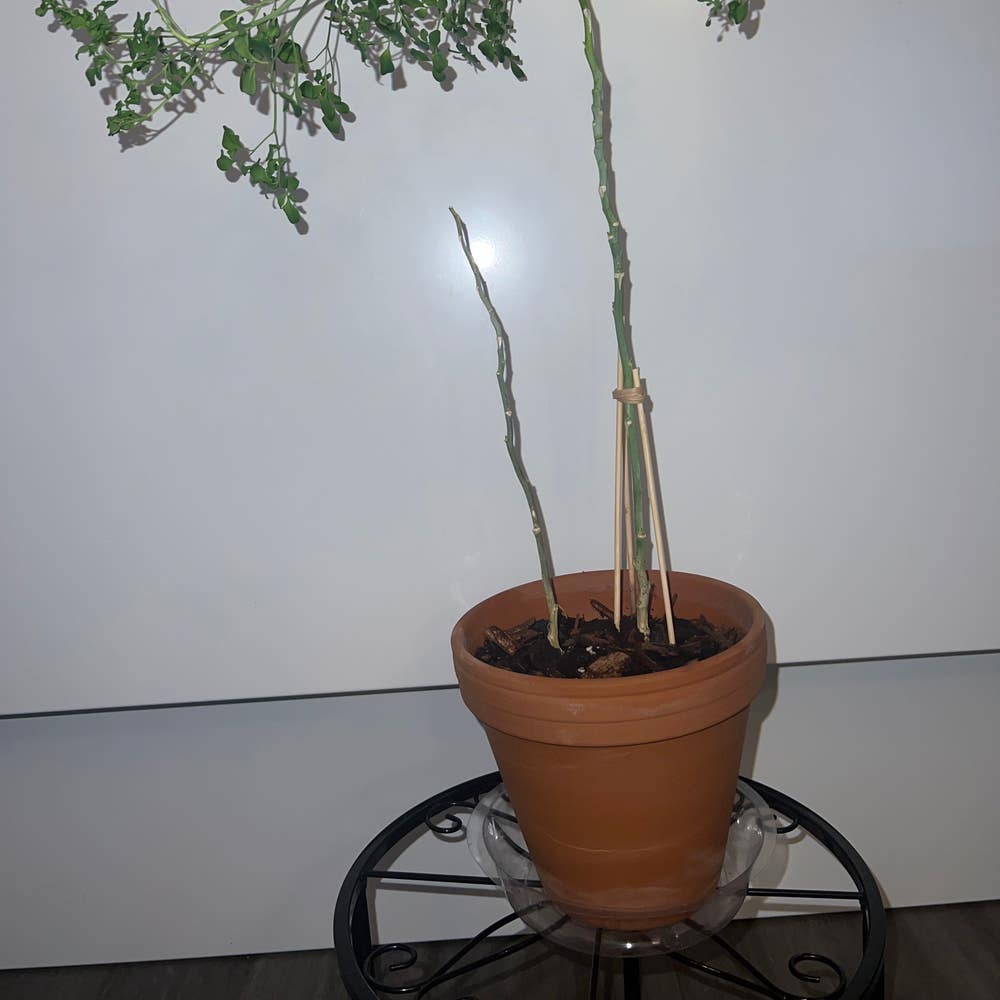
Watering is less about routine and more about judgment calls. When the top inch of soil feels like a dry handshake, it's time to water. Do it slowly, allowing the water to seep in like a secret, reaching the roots without flooding them. If you're nurturing rue in a pot, ensure it has drainage holes to avoid waterlogging. Unglazed clay containers are ideal for their breathability, letting excess moisture escape like a subtle sigh. Remember, sharp drainage is the secret handshake of the rue plant world.

What Can Go Wrong: Too Much or Too Little
💦 Overwatering Woes
Yellowing leaves and a sense of sogginess days after watering are the plant's silent screams for you to ease up on the hydration. If the pot feels unusually heavy, it's likely the roots are swimming rather than sipping. To rescue your waterlogged rue, first, check for root rot—those mushy, dark roots spell trouble. Snip the damaged parts and replace the soil with a well-draining mix to give your plant a fresh start. Make sure your pot has drainage holes; otherwise, you're basically giving your plant a bath it never asked for.
🏜️ Underwatering Issues
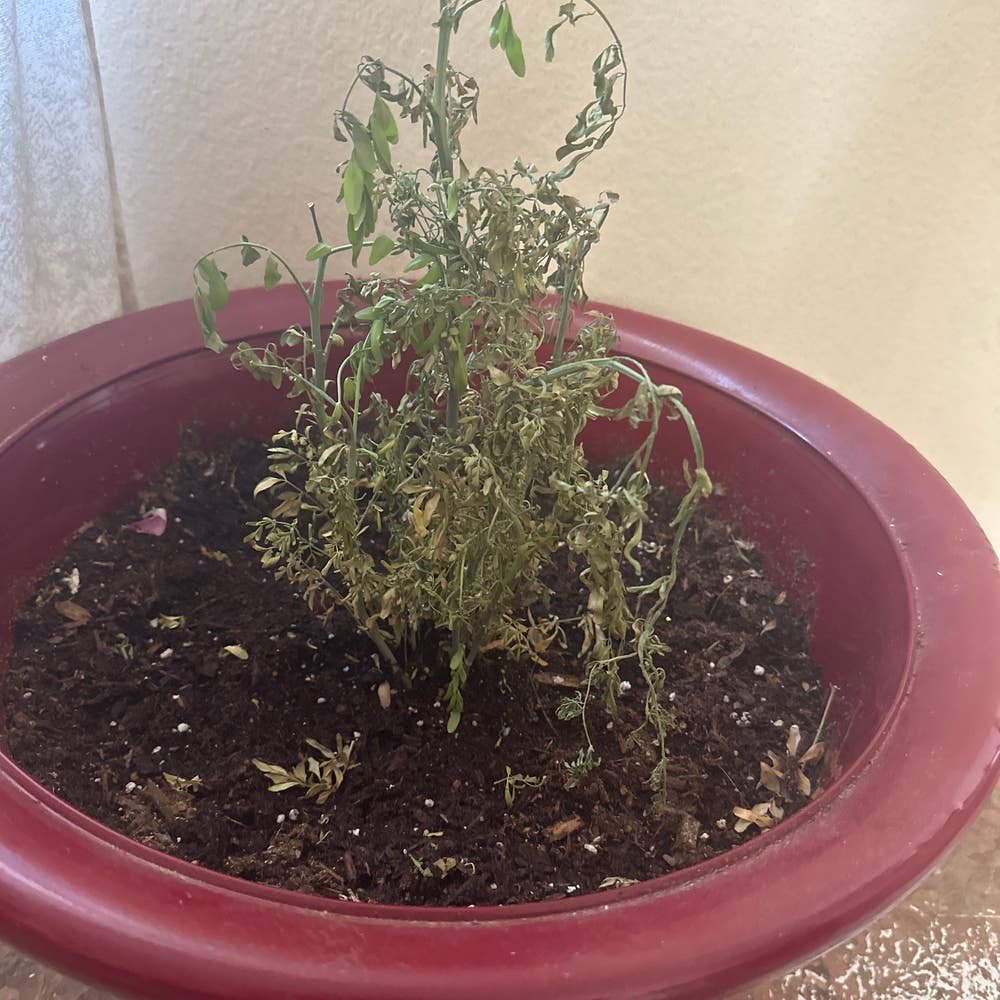
Conversely, if your common rue's leaves droop like they've given up on life and the soil is as dry as a stand-up comedian's wit, it's time to up your watering game. Lightweight pots are a telltale sign your plant is parched. When watering, do so thoroughly until you see water escape from the bottom, ensuring the roots get their fill. Remember, it's a fine line between quenching thirst and drowning dreams, so always check the soil moisture before going in with your watering can.

Tailoring to Your Rue: Personalizing the Watering Schedule
💧 Environmental Factors
In the dance of watering, environment is the lead. Temperature, humidity, and sunlight are the trio influencing your common rue's thirst. Hotter temps mean more water; it's that simple. But when the humidity cranks up, your watering can take a breather. Sunlight's another player—if your rue's basking in the sun's glory, it'll need more frequent drinks.
🌱 Potting Mix and Container Considerations
The potting mix and container are the stage on which your common rue performs. Porous materials like terra cotta invite more frequent watering, while plastic is the clingy type, retaining moisture longer. Size matters too—small pots dry out faster, so they're thirstier. And let's not forget the potting mix; sandy soils are the life of the party, always ready for another round, while clay is the reserved type, holding onto every drop. Adjust your watering rhythm to the beat of these variables.
⚠️ Safety First
This content is for general information and may contain errors, omissions, or outdated details. It is not medical, veterinary advice, or an endorsement of therapeutic claims.
Always consult a qualified healthcare professional before using any plant as food, medicine, or supplement.
Never eat any plant (or feed one to pets) without confirming its identity with at least two trusted sources.
If you suspect poisoning, call Poison Control (800) 222-1222, the Pet Poison Helpline (800) 213-6680, or your local emergency service immediately.
Spotted an error? Please report it here.
Keep your common rue perfectly quenched by watering it when the top inch of soil is dry, and let Greg's custom reminders 🌱 ensure you never miss the right moment.