Why Your Rue Leaves Are Dropping 🐦
Ruta graveolens
By the Greg Editorial Team
Oct 11, 2024•6 min read
This article was created with the help of AI so we can cover more plants for you. May contain errors. See one? Report it here.
Transform your Rue's health 🌿 by learning to prevent and treat leaf drop issues with expert care techniques!
- 🌡️ High temperatures and drought cause Rue leaves to drop; maintain moisture levels.
- 🌱 Nutrient deficiencies and pests lead to wilting; check soil and treat promptly.
- 💧 Consistent watering and humidity are vital; avoid extremes for healthy Rue plants.
Causes of Leaf Drop
🌡️ Environmental Stress Factors
High temperatures can wreak havoc on Rue leaves. When exposed to extreme heat, the plant may struggle to maintain its moisture levels, leading to leaf drop.
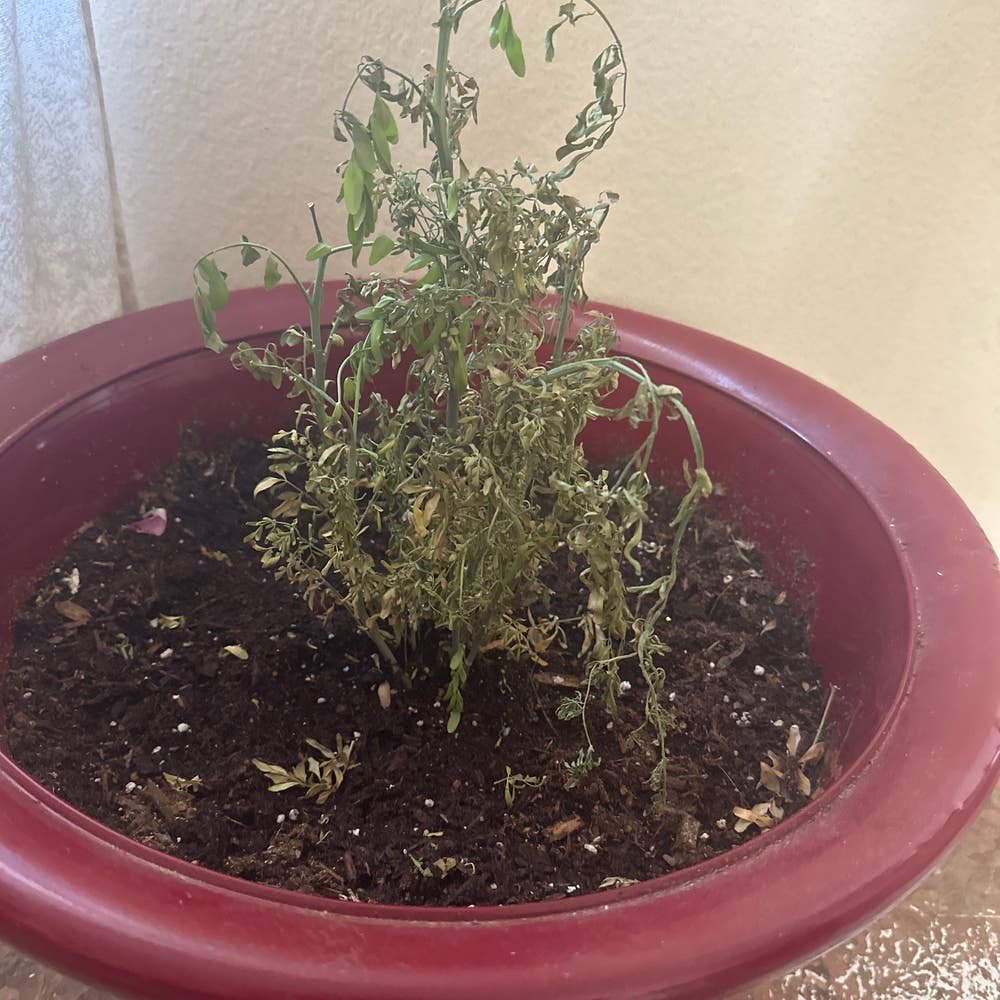
Drought conditions are another culprit. Insufficient moisture can cause Rue leaves to wilt and eventually fall off, signaling distress.
Sudden temperature changes can also stress the plant. Fluctuations between hot and cold can confuse Rue, making it hard for the plant to adapt.
Humidity levels matter too. Rue thrives in moderate humidity; too little can lead to leaf drop, while too much can encourage disease.
💧 Watering Issues
Overwatering
Overwatering is a common mistake among plant owners. Symptoms include root rot, yellowing leaves, and, of course, leaf drop.
Poor drainage and excessive watering frequency are often to blame. Ensuring well-draining soil and proper potting techniques can prevent these issues.
Underwatering
On the flip side, underwatering can also cause problems. Symptoms include wilting, drooping leaves, and leaf drop.
Infrequent watering and dry soil conditions are the main causes. Establishing a consistent watering schedule, perhaps with the help of the Greg plant care app, can keep your Rue happy.
🥦 Nutrient Deficiencies
Nutrient deficiencies can lead to serious issues for Rue. Common deficiencies include nitrogen, potassium, and magnesium.
Symptoms often manifest as yellowing leaves, stunted growth, and leaf drop. Regular soil testing is crucial for assessing nutrient levels and ensuring your plant gets what it needs.
🐛 Pest Infestations
Pests can be a real headache for Rue plants. Common offenders include aphids, spider mites, and whiteflies.
Symptoms of infestations include leaf damage, discoloration, and leaf drop. Identifying signs of pest presence early can save your plant from further harm.
🦠 Disease and Fungal Infections
Diseases and fungal infections can also contribute to leaf drop. Common issues include root rot, powdery mildew, and leaf spot.
Symptoms often include wilting, yellowing, and leaf drop. Recognizing these signs early is key to effective treatment and recovery.
Understanding these causes of leaf drop can empower you to take action. With the right care and attention, your Rue can thrive, setting the stage for the next section on symptoms to look for.
Symptoms to Look For
🍂 Yellowing Leaves
Yellowing leaves can signal several issues, including nutrient deficiencies, overwatering, and environmental stress. Catching this symptom early is crucial for effective treatment and restoring your Rue's health.
💧 Wilting and Drooping
Wilting and drooping leaves often indicate problems like underwatering, overwatering, or pest infestations. These symptoms are closely linked to the overall health of your plant, so pay attention!
🔍 Leaf Spotting
Leaf spotting is typically caused by fungal infections or pest damage. Regular monitoring can help you catch these issues early, allowing for timely intervention and better outcomes for your Rue.
Recognizing these symptoms is the first step in diagnosing the underlying problems. With a keen eye and prompt action, you can keep your Rue thriving and vibrant.
Diagnosis Techniques
Observing Environmental Conditions 🌤️
To keep your Rue healthy, start by assessing its environment. Check the temperature, humidity, and light exposure to ensure they align with the plant's needs.
Creating an optimal environment is crucial for Rue's well-being. A stable climate helps prevent stress that can lead to leaf drop.
Checking Soil Moisture Levels 💧
Next, focus on soil moisture. Use techniques like the finger test or a moisture meter to gauge how wet or dry the soil is.
Maintaining appropriate moisture levels is vital for Rue's health. Both overwatering and underwatering can cause significant issues.
Inspecting for Pests 🐛
Regularly inspect your Rue for pests. Check the undersides of leaves and stems for any signs of infestation.
Early detection is key to effective treatment. Catching pests early can save your plant from severe damage.
Identifying Nutrient Deficiencies 🍃
Look for signs of nutrient deficiencies, such as changes in leaf color or stunted growth. These indicators can help you pinpoint what your Rue might be lacking.
Soil testing methods, including DIY kits or professional testing, can provide valuable insights. Understanding your soil's nutrient levels is essential for maintaining plant health.
By following these diagnosis techniques, you can address issues before they escalate. This proactive approach will help keep your Rue thriving and vibrant.
Treatment and Remedies
Adjusting Watering Practices 🌊
Establishing a consistent watering schedule is crucial for the health of your Rue. Aim to water when the top inch of soil feels dry, ensuring your plant receives adequate moisture without drowning.
To improve drainage, consider repotting your Rue in a pot with drainage holes. Adding perlite to your soil mix can also enhance aeration, preventing root rot and promoting healthy growth.
Fertilization Techniques 🌱
Using balanced NPK fertilizers can significantly boost your Rue's vitality. Look for options that provide equal parts nitrogen, phosphorus, and potassium to support overall plant health.
Timing is everything when it comes to fertilization. Apply your chosen fertilizer during the growing season, typically in spring and summer, to maximize nutrient uptake.
Pest Control Methods 🐛
For organic pest control, neem oil and insecticidal soap are excellent choices. These options are effective against common pests while being gentle on your plant.
If infestations persist, you might need to consider chemical treatments. Use these as a last resort, ensuring you follow the manufacturer's instructions carefully.
Disease Management Strategies 🦠
Preventing diseases starts with good practices like ensuring proper air circulation around your Rue. Spacing plants adequately can help reduce humidity levels that foster fungal growth.
For treatment, organic fungicides can be effective against common diseases. Pair these with cultural practices, like removing affected leaves, to keep your Rue thriving.
By addressing watering, fertilization, pest control, and disease management, you can create a robust care routine for your Rue. This proactive approach will not only enhance its health but also ensure it flourishes beautifully in your garden.
Next, let’s explore preventive measures to keep your Rue in top shape year-round.
Preventive Measures
Ideal Growing Conditions 🌞
To keep your Rue thriving, start with the right soil. It should be well-draining and fertile, allowing roots to breathe and absorb nutrients effectively.
Sunlight is equally crucial. Aim for full sun exposure, ideally 6 to 8 hours daily, to promote healthy growth and vibrant leaves.
Regular Maintenance Tips 🛠️
Regular pruning is essential for Rue health. Removing dead or damaged leaves not only improves appearance but also encourages new growth.
Don't forget to monitor your plant regularly. Keeping an eye out for pests and diseases can save you from bigger problems down the line.
Seasonal Care Adjustments 🍂
As seasons change, so should your care routine. Adjust your watering and fertilization practices to match the plant's needs throughout the year.
Preparing Rue for winter is vital. Consider tips like mulching or bringing potted plants indoors to protect them from cold weather.
By following these preventive measures, you can create a thriving environment for your Rue, ensuring it remains healthy and vibrant. Next, let's explore the symptoms to look for when your Rue shows signs of distress.
⚠️ Safety First
This content is for general information and may contain errors, omissions, or outdated details. It is not medical, veterinary advice, or an endorsement of therapeutic claims.
Always consult a qualified healthcare professional before using any plant as food, medicine, or supplement.
Never eat any plant (or feed one to pets) without confirming its identity with at least two trusted sources.
If you suspect poisoning, call Poison Control (800) 222-1222, the Pet Poison Helpline (800) 213-6680, or your local emergency service immediately.
Spotted an error? Please report it here.
Keep your Rue vibrant and healthy 🌿 by using Greg's tailored watering reminders and pest alerts to prevent leaf drop and ensure thriving growth!