🌊 Ultimate Guide to Fixing Curling Leaves on Rue
Ruta graveolens
By the Greg Editorial Team
Oct 11, 2024•5 min read
This article was created with the help of AI so we can cover more plants for you. May contain errors. See one? Report it here.
Revive your rue plants from curling leaves 🌱 with expert tips on diagnosis and treatment for vibrant growth!
- 🌱 Curling leaves on rue stem from pests, overwatering, or nutrient deficiencies.
- 🌡️ Maintain 15°C to 25°C for optimal rue health and prevent curling.
- 💧 Humidity levels of 40%-60% are crucial; low humidity causes dry, curling leaves.
Causes of Curling Leaves
🌡️ Environmental Stress Factors
Temperature extremes can wreak havoc on your rue plants. The ideal temperature range is between 15°C to 25°C (59°F to 77°F); anything outside this can lead to symptoms like leaf curling and discoloration.
Humidity levels also play a crucial role. Rue thrives in optimal humidity of 40%-60%. Low humidity can cause leaves to dry out and curl, signaling distress.
🐜 Pest Infestations
Common Pests
Aphids are notorious for causing leaf curling. Look for signs like sticky residue on leaves and weakened plants due to sap-sucking.
Spider mites are another common culprit. Their fine webbing and stippled leaves indicate reduced vigor and can lead to significant leaf curl.
🥦 Nutrient Deficiencies
Nitrogen deficiency is a common issue that manifests as yellowing leaves and stunted growth. This lack of nutrients can directly cause curling leaves.
Potassium deficiency presents differently, with leaf edges curling and browning. Potassium is vital for overall plant health, making its presence essential.
💧 Overwatering and Underwatering Effects
Overwatering can lead to wilting and yellowing leaves, often resulting in root rot. Ensuring well-drained soil is crucial for the health of your rue.
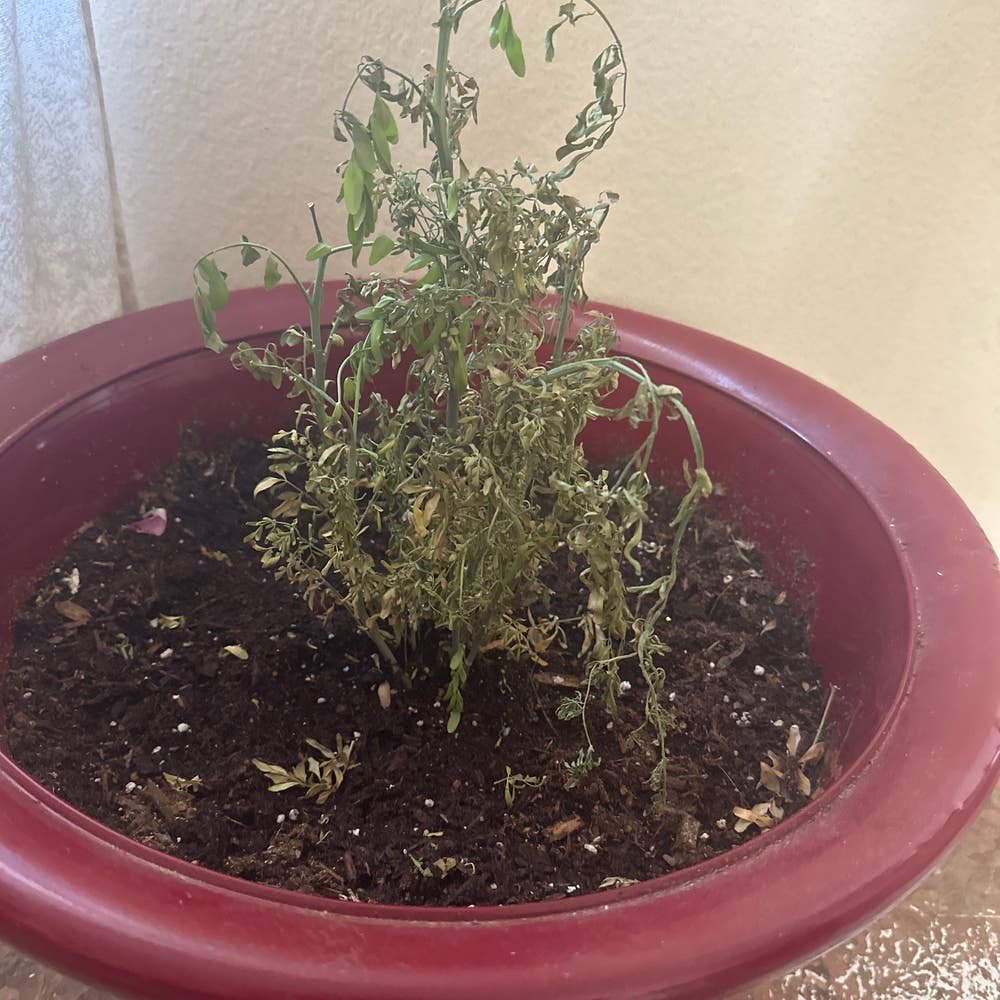
On the flip side, underwatering shows up as dry, crispy leaves that curl. This is a clear sign of insufficient moisture levels, which needs immediate attention.
🍄 Fungal Infections and Diseases
Fungal diseases like powdery mildew can also cause curling leaves. Look for white powdery spots on leaves as a telltale sign.
Root rot, often a consequence of overwatering, can lead to significant leaf curl. Prevention and timely treatment are key to keeping your rue healthy.
Understanding these causes is the first step in addressing curling leaves effectively. Next, we’ll dive into diagnosing the specific issues affecting your plants.
Diagnosing Curling Leaves
Identifying Symptoms of Leaf Curl 🌿
Curling leaves can manifest in different ways. You might notice upward curling, which often indicates stress, or downward curling, signaling potential nutrient deficiencies.
Color changes can also provide clues. Yellowing leaves may suggest environmental stress, while browning edges often point to nutrient issues.
Differentiating Between Pest Damage and Environmental Stress 🐛
To identify pest damage, look for visual cues. The presence of pests, sticky residue, or fine webbing can indicate an infestation.
On the other hand, environmental stress shows itself through temperature fluctuations and humidity levels. Monitoring these factors is crucial for maintaining healthy Rue.
Assessing Soil Conditions and Moisture Levels 💧
Soil testing is essential for diagnosing issues. Check drainage and soil type to ensure it meets Rue's needs.
For moisture assessment, use techniques like the finger test or a moisture meter. These methods help you gauge whether your plant is getting the right amount of water.
Understanding these symptoms and conditions will set you on the right path to treating curling leaves effectively. Next, let’s explore how to treat these issues and restore your Rue to its vibrant self.
Treating Curling Leaves
🐛 Step-by-Step Guide to Pest Control
Identifying pests is the first step in treating curling leaves. Inspect the leaves and stems closely for any signs of trouble.
Once you've identified the pest, choose an effective treatment method. Insecticidal soap or neem oil are excellent options for managing infestations.
When applying treatments, timing is crucial. Aim to spray early in the morning or late in the evening to minimize harm to beneficial insects.
For best results, repeat the application every 7-14 days until the pests are under control. Consistency is key to effective pest management.
💧 Adjusting Watering Practices
Checking soil moisture is vital for healthy Rue. Use the finger test by inserting your finger 1-2 inches into the soil to gauge moisture levels.
Alternatively, a moisture meter can provide precise readings. This tool is especially handy for those who want to avoid guesswork.
Watering should be done when the top inch of soil feels dry. This practice helps prevent both overwatering and underwatering, ensuring your plant thrives.
🌱 Fertilization Tips
Timing your fertilization is essential for optimal growth. Aim to fertilize in early spring and mid-summer for the best results.
When selecting fertilizers, balanced NPK options, like 10-10-10, are highly recommended. They provide a well-rounded nutrient profile for your plants.
Consider your application method as well. Granular fertilizers can be mixed into the soil, while liquid fertilizers can be diluted and applied directly to the roots.
🌤️ Managing Environmental Conditions
Adjusting light exposure can significantly impact your plant's health. Rue thrives in full sun, ideally receiving 6-8 hours of direct sunlight daily.
If your plant isn't getting enough light, consider relocating it to a sunnier spot. This simple change can make a world of difference.
Temperature control is equally important. Protect your Rue from extreme temperatures using shade cloth or by moving it indoors during harsh weather.
By following these treatment strategies, you can effectively address curling leaves and promote a healthier plant. Next, let’s explore how to prevent curling leaves from becoming a recurring issue.
Preventing Curling Leaves
Best Practices for Care 🌱
To keep your Rue thriving, establish a regular watering schedule. Consistency is key; aim to water when the top inch of soil feels dry.
Soil management is also crucial. Ensure your Rue is planted in well-draining soil to prevent waterlogging, which can lead to root issues.
Pruning is another essential practice. Regularly remove dead or damaged leaves to encourage healthy growth and improve air circulation.
Seasonal Care Tips 🌸
In spring, focus on fertilization and pest monitoring. This is the perfect time to give your plants a nutrient boost while keeping an eye out for any unwanted guests.
As summer rolls in, increase your watering frequency and check humidity levels. Higher temperatures can dry out the soil quickly, so stay vigilant.
Regular Monitoring and Maintenance Routines 🔍
Conduct weekly inspections of your plants. Look for signs of pests, check moisture levels, and assess leaf health to catch any issues early.
Keep a record of changes in plant health and environmental conditions. This will help you identify patterns and adjust your care routine effectively.
By following these practices, you can significantly reduce the risk of curling leaves and promote a vibrant, healthy Rue. Next, let’s dive into diagnosing curling leaves to better understand what might be going wrong.
⚠️ Safety First
This content is for general information and may contain errors, omissions, or outdated details. It is not medical, veterinary advice, or an endorsement of therapeutic claims.
Always consult a qualified healthcare professional before using any plant as food, medicine, or supplement.
Never eat any plant (or feed one to pets) without confirming its identity with at least two trusted sources.
If you suspect poisoning, call Poison Control (800) 222-1222, the Pet Poison Helpline (800) 213-6680, or your local emergency service immediately.
Spotted an error? Please report it here.
Keep your rue curl-free 🌿 by using Greg's tailored watering reminders and pest alerts to ensure it thrives in the perfect environment!