4 Tips for Healing Brown Spots on Your Rue 🩹
Ruta graveolens
By the Greg Editorial Team
Oct 11, 2024•5 min read
This article was created with the help of AI so we can cover more plants for you. May contain errors. See one? Report it here.
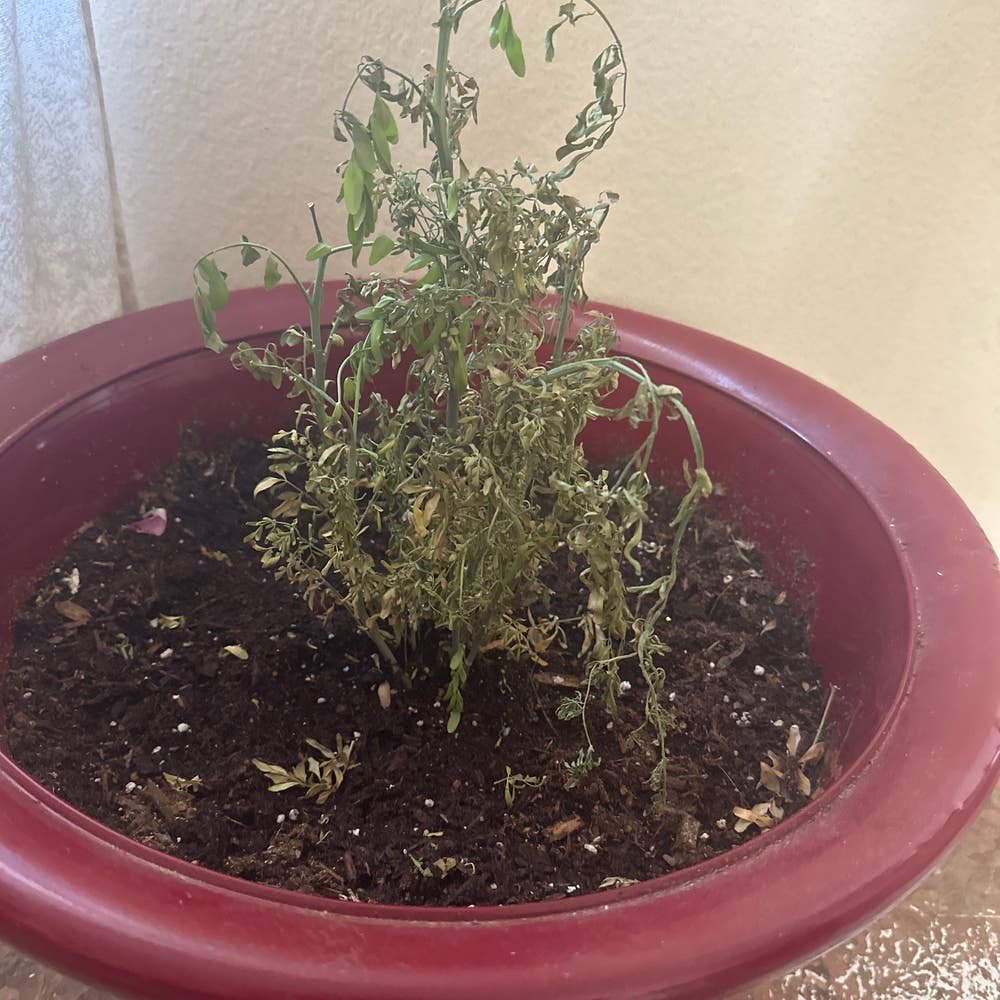
Revive your Rue's health 🌱 by mastering the secrets to diagnosing and treating pesky brown spots!
- 🌱 Well-draining soil and pH 6.0-7.0 are crucial for healthy Rue growth.
- ☀️ Rue needs 6-8 hours of sunlight; too much shade or direct sun harms it.
- 🐛 Regularly check for pests and use insecticidal soap for effective control.
Diagnosing the Problem
🌍 Environmental Factors Contributing to Brown Spots
Soil Conditions
Soil plays a crucial role in the health of your Rue. Well-draining soil is essential; compacted soil can suffocate roots and lead to brown spots.
Maintaining the right pH is equally important. Aim for a pH range of 6.0 to 7.0 for optimal growth.
Sunlight Requirements
Rue thrives in full sun, needing 6 to 8 hours of sunlight daily. Too much shade can stunt growth, while excessive direct sun can scorch the leaves.
🐞 Common Pests Affecting Rue Leaves
Aphids
Aphids are notorious for leaving a sticky residue and curling leaves. Control them effectively with insecticidal soap or neem oil.
Spider Mites
Look out for fine webbing and stippled leaves, signs of spider mite infestations. Increasing humidity and using miticides can help manage these pests.
🦠 Fungal and Bacterial Infections in Rue
Fungal Infections
Powdery mildew is a common fungal issue, presenting as white powdery spots and leaf drop. Treat it with fungicides and improve air circulation around your plants.
Bacterial Infections
Bacterial infections often manifest as water-soaked spots and wilting leaves. To combat this, remove infected leaves and avoid overhead watering to minimize moisture on the foliage.
Understanding these factors is key to diagnosing and treating brown spots on your Rue. With the right knowledge, you can take proactive steps to ensure your plant remains healthy and vibrant. Next, let’s explore how to treat those pesky brown spots effectively.
Treating Brown Spots
🛠️ Step-by-step guide to treating brown spots
Assess watering needs: Start by checking the soil moisture. Use the finger test—stick your finger 1-2 inches deep into the soil to gauge its dampness.
Inspect for pests: Look closely for any visible signs of pests like aphids or spider mites. If you spot them, apply the appropriate pest control methods immediately.
Improve soil conditions: Ensure your Rue is in well-draining soil. If it feels compacted, consider amending it with perlite or sand to enhance drainage.
Adjust sunlight exposure: If your plant isn’t getting enough light, or is getting scorched, consider moving it. Aim for a spot that provides adequate light without overwhelming it.
🦠 Recommended treatments for pests and diseases
Organic pest control: Neem oil is a fantastic option. Apply it every 7-14 days until the pests are gone.
Fungal treatments: If you encounter fungal issues, use fungicides as directed on the label. Consistency is key for effective treatment.
💧 Importance of proper watering techniques
Watering frequency: A good rule of thumb is to water when the top inch of soil feels dry. This helps maintain moisture without overwatering.
Techniques: Focus on deep watering to encourage robust root growth. Shallow watering can lead to weak roots and more problems down the line.
By following these steps, you can effectively treat brown spots on your Rue and promote healthier growth. Next, let’s explore how to prevent future issues to keep your plant thriving.
Preventing Future Issues
Best practices for Rue care to prevent brown spots 🌱
Maintaining a regular watering schedule is crucial for Rue. Water deeply but infrequently to encourage strong root development.
Soil management is equally important. Use a well-draining soil mix to prevent root rot and ensure your plant thrives.
Sunlight management can make a significant difference. Monitor light exposure and adjust as the seasons change to keep your Rue healthy.
Seasonal care tips for Rue 🌸
In spring, focus on fertilization. A balanced fertilizer will promote robust growth as your plant comes out of dormancy.
During summer, keep an eye out for pests. Increased vigilance is essential during warm months when infestations can occur.
As fall and winter approach, reduce watering. Adjust your routine based on the plant's dormancy needs to avoid overwatering.
Soil and fertilization recommendations for healthy Rue 🌿
When it comes to soil type, Rue prefers sandy or loamy soil. This ensures proper drainage and prevents waterlogging.
For fertilization, stick to a monthly schedule during the growing season. A balanced NPK fertilizer will provide the nutrients your Rue needs to flourish.
By following these best practices and seasonal tips, you can help your Rue stay healthy and vibrant, minimizing the risk of brown spots. Next, let’s explore how to monitor and maintain your Rue for ongoing success.
Monitoring and Maintenance
Regular inspection of Rue leaves 🕵️♀️
To keep your Rue healthy, conduct weekly inspections for any discoloration or pests. Early detection can save your plant from larger issues down the line.
Signs of recovery and ongoing care 🌱
Look for new growth as a positive sign that your treatment is working. Additionally, vibrant green leaves indicate that your Rue is regaining its health.
When to seek professional help for Rue issues 🆘
If problems persist despite your efforts, it may be time to consult a professional. Severe infestations or ongoing issues often require expert intervention to ensure your Rue thrives.
By staying vigilant and proactive in your care, you can maintain a flourishing Rue that brings beauty and joy to your garden. Next, let’s explore best practices for preventing future issues.
⚠️ Safety First
This content is for general information and may contain errors, omissions, or outdated details. It is not medical, veterinary advice, or an endorsement of therapeutic claims.
Always consult a qualified healthcare professional before using any plant as food, medicine, or supplement.
Never eat any plant (or feed one to pets) without confirming its identity with at least two trusted sources.
If you suspect poisoning, call Poison Control (800) 222-1222, the Pet Poison Helpline (800) 213-6680, or your local emergency service immediately.
Spotted an error? Please report it here.
Revitalize your Rue and watch it thrive 🌿 with Greg's tailored care tips and reminders that keep pests at bay and soil healthy!