🪴 Ultimate Guide to Repotting Rue
Ruta graveolens
By the Greg Editorial Team
Oct 11, 2024•5 min read
This article was created with the help of AI so we can cover more plants for you. May contain errors. See one? Report it here.
Unlock your Rue's full potential 🌱 with expert repotting tips for a thriving, vibrant plant in your home!
- 🌱 Signs to repot Rue include root emergence, stunted growth, and yellowing leaves.
- 🕒 Best times to repot are early spring and late summer for optimal growth.
- 🏺 Choose shallow pots for Rue to enhance drainage and accommodate its root system.
When to Repot Rue
Signs that Rue Needs Repotting 🌱
Recognizing when your Rue needs repotting is crucial for its health. One clear sign is root emergence; if you see roots poking through the drainage holes, it’s time for a new home.
Another indicator is stunted growth. If your Rue isn’t showing new growth despite optimal care, it may be root-bound. Lastly, check for soil degradation; compacted or nutrient-depleted soil can hinder your plant's development.
Seasonal Considerations for Repotting Rue 🌸
Timing is everything when it comes to repotting Rue. The best time to repot is during early spring or late summer, aligning with the plant's active growth periods.
Avoid repotting during dormancy, typically in the winter months. This can stress the plant and hinder its recovery.
Growth Indicators to Watch For 👀
Keep an eye on your Rue for leaf yellowing. This often indicates root crowding or a nutrient deficiency, signaling that it might be time for a larger pot.
Additionally, if you notice reduced flowering, it could be another sign that your Rue needs more space to thrive.
Choosing the Right Pot for Rue
🏺 Recommended Pot Materials
When selecting a pot for your Rue, consider the material carefully.
Ceramic
Ceramic pots are visually appealing and provide good insulation for roots. However, they can be heavy and may retain moisture, which could lead to overwatering.
Plastic
Plastic pots are lightweight and affordable, making them a popular choice. They offer good drainage options but can heat up quickly in direct sunlight, potentially stressing your plant.
Terracotta
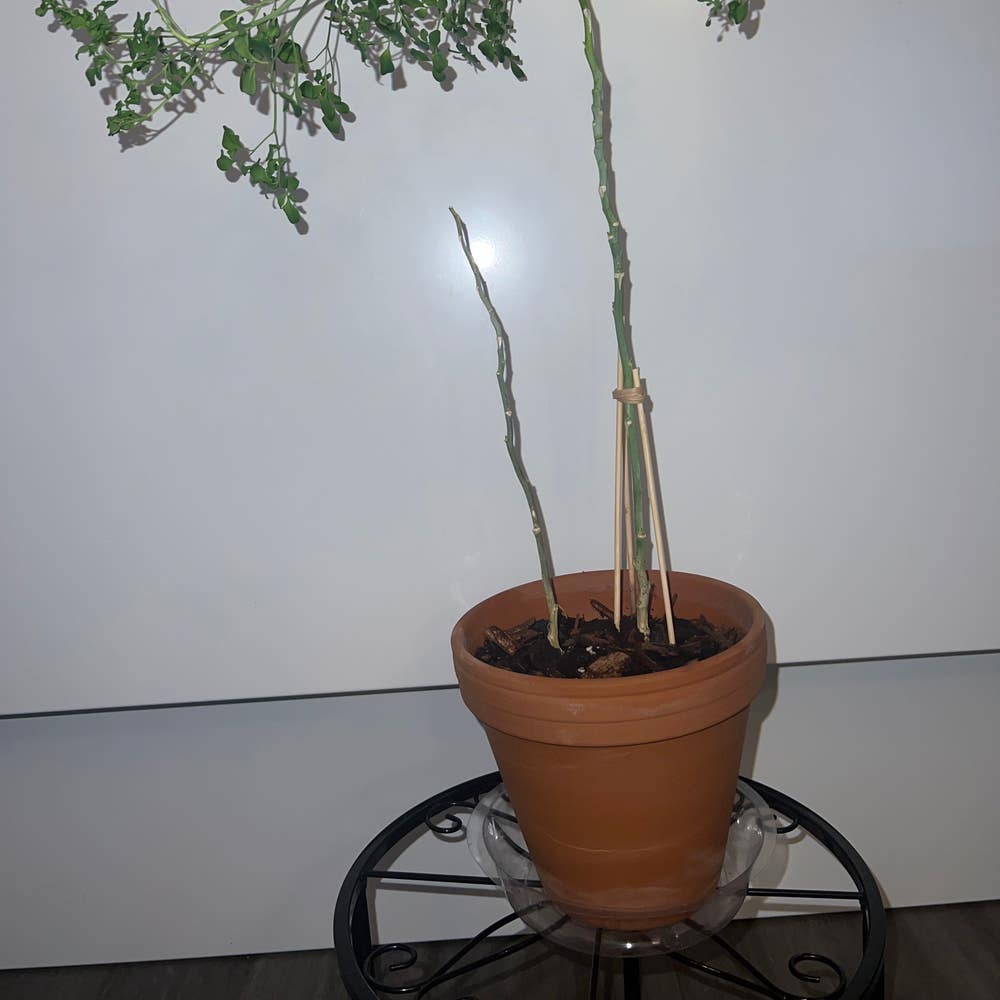
Terracotta pots excel in drainage and are breathable, allowing roots to thrive. On the downside, they can dry out quickly, necessitating more frequent watering.
📏 Ideal Pot Size and Shape for Rue
Choosing the right size and shape is crucial for Rue's health.
Container Size
Opt for a pot that is 1-2 inches larger in diameter than the current one. This provides enough room for growth without overwhelming the roots.
Shape
Shallow pots are ideal due to Rue's shallow root system. This shape allows for better drainage and air circulation, promoting a healthier plant.
With the right pot selected, you're well on your way to ensuring your Rue thrives. Next, let’s dive into the repotting process to make the transition smooth and successful.
Repotting Process for Rue
Step-by-Step Guide to Repotting Rue 🌱
Repotting Rue can seem daunting, but it’s a straightforward process. Follow these steps for a successful transition.
Prepare new pot: Ensure it has adequate drainage holes to prevent waterlogging.
Remove Rue from current pot: Gently loosen the soil around the edges to avoid damaging the roots.
Inspect roots: Check for signs of rot or damage; healthy roots should be firm and white.
Trim damaged roots: Use clean, sharp scissors to remove any unhealthy sections.
Add potting soil: Fill the new pot with well-draining soil, leaving space for the plant.
Position Rue: Center the plant in the pot and fill in with soil, ensuring it’s stable.
Water thoroughly: Give it a good drink, making sure the soil is moist but not waterlogged.
Best Practices for Soil Selection and Preparation 🌿
Choosing the right soil is crucial for Rue’s health.
Potting soil for Rue: Opt for a mix designed for herbs or create a custom blend of potting soil and perlite for optimal drainage.
Soil drainage: Ensure the soil is loose and well-aerated to promote healthy root growth.
With these steps and tips, your Rue will thrive in its new home. Next, let’s explore how to care for your plant after repotting to ensure it continues to flourish.
Post-Repotting Care for Rue
Watering Guidelines After Repotting 💧
After repotting, it's crucial to water Rue lightly. This initial watering helps settle the soil around the roots.
For ongoing care, allow the top inch of soil to dry out before watering again. This prevents overwatering, which can lead to root rot.
Light and Temperature Considerations Post-Repotting ☀️
When it comes to light exposure, gradually reintroduce Rue to full sun if it was moved indoors. This helps the plant acclimate without shock.
Maintaining consistent temperatures is essential. Avoid placing Rue in drafty areas to ensure it thrives.
Monitoring Rue for Stress After Repotting 👀
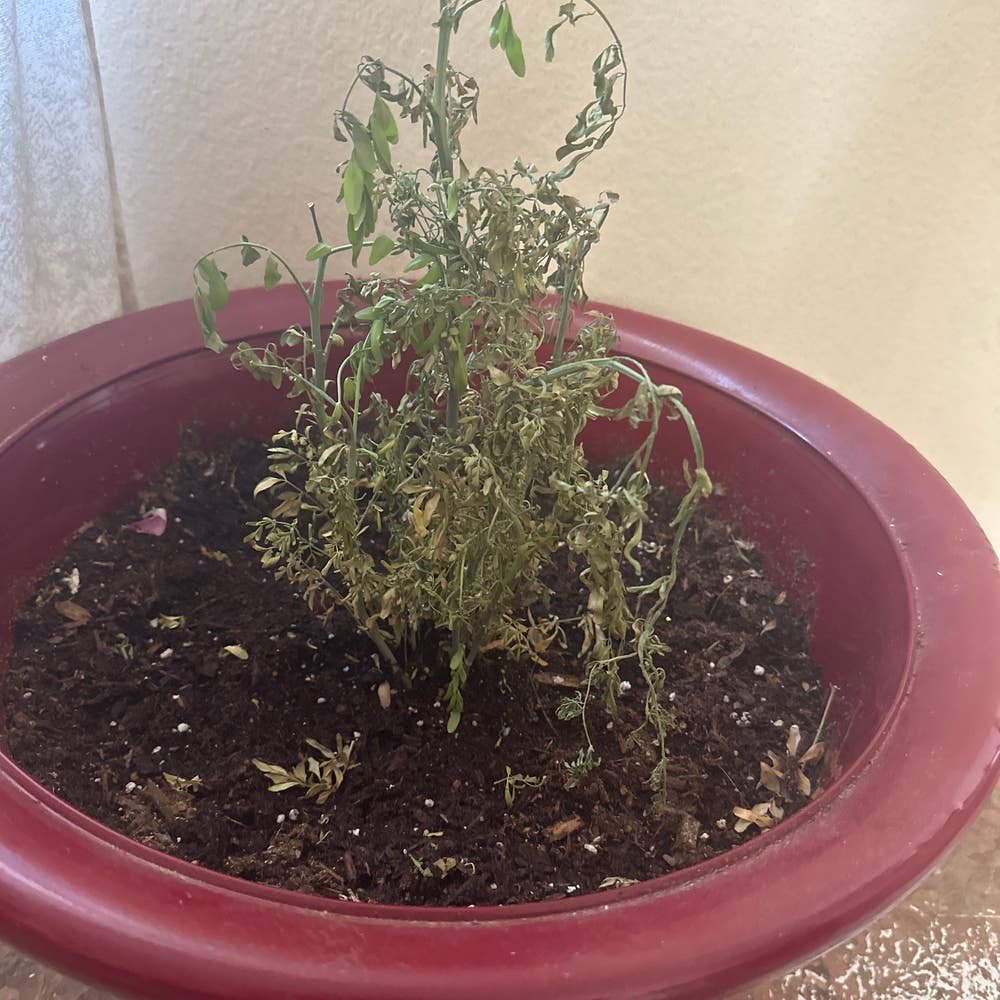
Keep an eye on your Rue for signs of stress, such as wilting, leaf drop, or discoloration. These indicators can signal that the plant is struggling.
If you notice any stress, adjust watering and light conditions as needed. A little attention can go a long way in helping Rue recover and flourish.
With the right post-repotting care, your Rue will bounce back and continue to thrive. Next, let’s explore common problems that may arise during the repotting process and how to tackle them effectively.
Common Problems and Solutions
🏺 Issues That May Arise During Repotting
Repotting Rue can come with its challenges. One common issue is root damage, which occurs if the roots are pulled or broken during the process.
Another concern is soil compaction. This can lead to poor drainage, affecting root health and overall plant vitality.
🛠️ How to Address Root Damage or Stress
If you notice root damage, consider allowing the roots to dry slightly before replanting. This can help them recover and promote healthier growth.
Keep a close eye on your Rue after repotting. Adjust care as necessary to ensure it thrives in its new environment.
🚨 Signs of Transplant Shock in Rue and How to Mitigate It
Transplant shock can manifest in several ways. Look out for symptoms like wilting, yellowing leaves, or stunted growth.
To mitigate these effects, provide optimal conditions for your Rue. Avoid overwatering, as this can exacerbate stress and hinder recovery.
By staying vigilant and responsive to your plant's needs, you can help it bounce back and flourish.
⚠️ Safety First
This content is for general information and may contain errors, omissions, or outdated details. It is not medical, veterinary advice, or an endorsement of therapeutic claims.
Always consult a qualified healthcare professional before using any plant as food, medicine, or supplement.
Never eat any plant (or feed one to pets) without confirming its identity with at least two trusted sources.
If you suspect poisoning, call Poison Control (800) 222-1222, the Pet Poison Helpline (800) 213-6680, or your local emergency service immediately.
Spotted an error? Please report it here.
Repot your Rue with confidence for thriving growth 🌱 by using Greg's tailored reminders and expert tips to keep your plant happy in its new home!