☀️ Ultimate Guide to Direct Sunlight for Rue
Ruta graveolens
By the Greg Editorial Team
Oct 11, 2024•4 min read
This article was created with the help of AI so we can cover more plants for you. May contain errors. See one? Report it here.
Master Rue's sunlight needs 🌞 to ensure vibrant growth and a flourishing garden that delights the senses!
- ☀️ Direct sunlight means unfiltered rays; Rue thrives in various light conditions.
- 🌱 Rue needs 4-6 hours of direct sunlight daily for optimal growth.
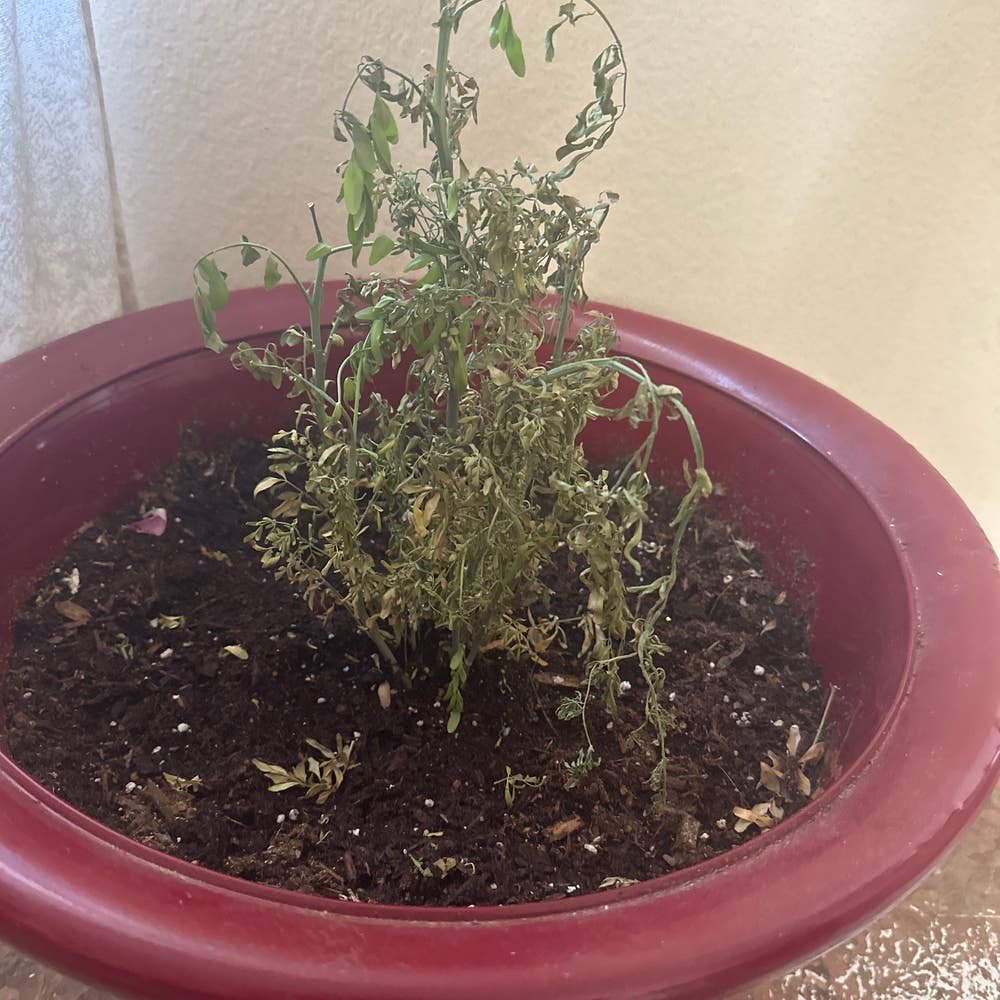
- ⚠️ Excessive sunlight causes leaf scorch; monitor for yellowing and wilting.
Definition of Direct Sunlight
Explanation Suitable for Children 🌞
Direct sunlight is when the sun's rays shine straight onto a plant without anything blocking them, like clouds or trees. Imagine standing outside on a sunny day; that bright light is direct sunlight!
Contrast with Indirect Sunlight 🌤️
Indirect sunlight occurs when the sun's rays are softened or scattered. This happens when light comes through a window or is filtered by leaves.
Being in the shade of a tree is a great example; you still get some light, but it's not as bright as direct sunlight. Understanding these differences helps in caring for plants like Rue effectively.
Rue's Sunlight Needs
🌞 Does Rue Need Direct Sunlight?
Rue is quite adaptable and can thrive in various light conditions. It doesn't strictly need direct sunlight to grow well, making it a versatile choice for different environments.
☀️ Can Rue Tolerate Direct Sunlight?
While Rue can tolerate some direct sunlight, it's essential to monitor its condition to prevent stress. Ideally, it should receive about 4-6 hours of direct sunlight daily for optimal growth.
🔥 Effects of Too Much Sunlight on Rue
Excessive direct sunlight can lead to leaf scorch, which manifests as browning and wilting. Keep an eye out for signs of stress, such as yellowing leaves and drooping stems, to ensure your Rue remains healthy.
Understanding Rue's sunlight needs is crucial for its care. With the right balance of light, you can enjoy a thriving plant that adds beauty to your space. Next, let’s explore how window direction impacts Rue's sunlight exposure.
Window Direction and Sunlight
🌞 Importance of Window Direction
The direction your windows face plays a crucial role in how much sunlight your Rue receives. Understanding this can help you create the perfect environment for your plant.
🌅 South-Facing Windows
South-facing windows are the champions of direct sunlight. They receive the most sunlight throughout the day, making them ideal for growing Rue, provided the plant can handle the intensity.
🌥️ North-Facing Windows
In contrast, north-facing windows receive the least direct sunlight. This often results in indirect light, which can be suitable for Rue if the direct sunlight proves too harsh.
🌄 East and West-Facing Windows
East-facing windows offer gentle morning sunlight, perfect for Rue to soak up without overwhelming it. Meanwhile, west-facing windows provide intense afternoon sunlight, which may require careful monitoring to prevent stress.
☀️ Sunlight Intensity by Hemisphere
Differences in Sunlight Exposure in the Northern Hemisphere
In the Northern Hemisphere, longer summer days can lead to more intense sunlight. During peak hours, Rue may need some protection to thrive.
Differences in Sunlight Exposure in the Southern Hemisphere
Conversely, sunlight in the Southern Hemisphere is often more intense due to the sun's angle. Here, Rue may require additional shade or protection from the harsh midday sun.
Understanding these factors will help you position your Rue for optimal growth. Next, let’s explore practical tips for placing Rue in direct sunlight.
Practical Tips for Rue in Direct Sunlight
Best Practices for Placing Rue in Direct Sunlight 🌞
Start Slow: Begin with partial sunlight exposure. Gradually increase to direct sunlight to help Rue acclimate.
Diffuse Harsh Light: If the sunlight is too intense, use sheer curtains. This will soften the rays and protect your plant.
Monitor Conditions: Keep an eye on temperature and humidity levels. Ensuring comfort is key to Rue's health.
Signs of Rue Thriving in Sunlight 🌱
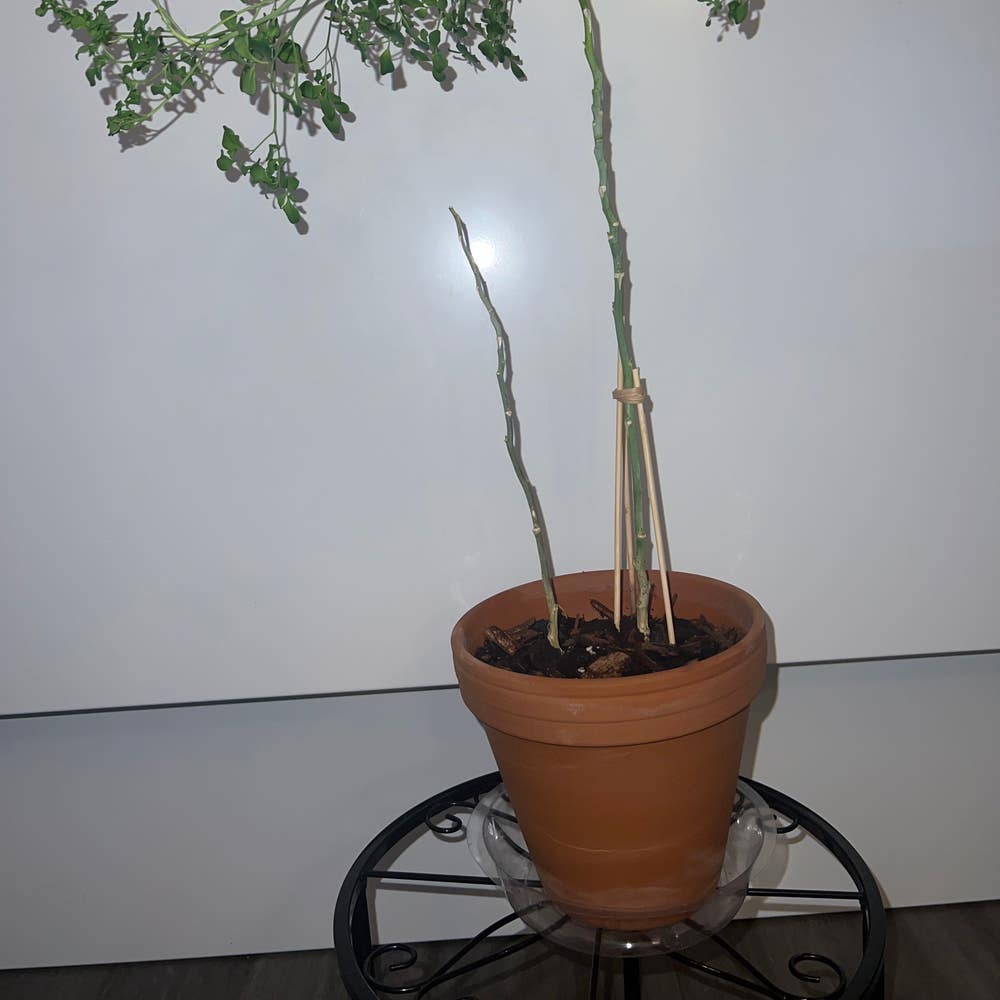
Vibrant Growth: Look for bright green leaves and robust growth. These are signs that Rue is happy in its environment.
New Growth: If you see new leaves and flowering, your Rue is thriving. This indicates it's receiving the right amount of sunlight.
Signs of Rue Struggling in Sunlight 😟
Leaf Scorch: Watch for brown tips or edges on leaves. This is a clear sign of leaf scorch from too much sun.
Wilting Stems: If the stems start drooping, it indicates stress. Rue may need a break from direct sunlight.
By following these tips, you can create an ideal environment for Rue to flourish. Next, let’s explore some common misconceptions about Rue and its sunlight needs.
Common Misconceptions about Rue and Sunlight
🌞 Myths about Rue's Sunlight Needs
One common myth is that Rue needs full sun all day to thrive. In reality, Rue can flourish in partial shade and does not require constant direct sunlight.
🤔 Clarifying Common Misunderstandings
Another misunderstanding is that all herbs share the same sunlight conditions. Each herb, including Rue, has unique light requirements based on its native habitat and growth conditions.
Understanding these nuances can help you create the perfect environment for your Rue to thrive. With the right care, you can enjoy a healthy plant that adds beauty and flavor to your garden or home.
Next, let’s explore practical tips for placing Rue in direct sunlight effectively.
⚠️ Safety First
This content is for general information and may contain errors, omissions, or outdated details. It is not medical, veterinary advice, or an endorsement of therapeutic claims.
Always consult a qualified healthcare professional before using any plant as food, medicine, or supplement.
Never eat any plant (or feed one to pets) without confirming its identity with at least two trusted sources.
If you suspect poisoning, call Poison Control (800) 222-1222, the Pet Poison Helpline (800) 213-6680, or your local emergency service immediately.
Spotted an error? Please report it here.
Master Rue's sunlight needs for vibrant growth 🌱 with Greg's tailored reminders and tips that help you create the perfect light environment!