Where Can Rue Grow? Zones 4a-9b 🌼
Ruta graveolens
By the Greg Editorial Team
Oct 11, 2024•5 min read
This article was created with the help of AI so we can cover more plants for you. May contain errors. See one? Report it here.
Unlock the secrets to thriving Rue 🌱 by mastering its temperature tolerance and ideal growing conditions!
- 🌱 Rue thrives in hardiness zones 4a-9b, adaptable to various climates.
- ❄️ Tolerates cold down to 20°F (-6°C), surviving frost and rebounding in warmth.
- ☀️ Requires well-drained soil and full sun for optimal growth and health.
Temperature Tolerance of Rue
❄️ Cold Tolerance
Rue can thrive in colder climates, tolerating temperatures as low as 20°F (-6°C). This resilience allows it to survive the first frost, thanks to its ability to enter a dormant state, preserving its vital functions.
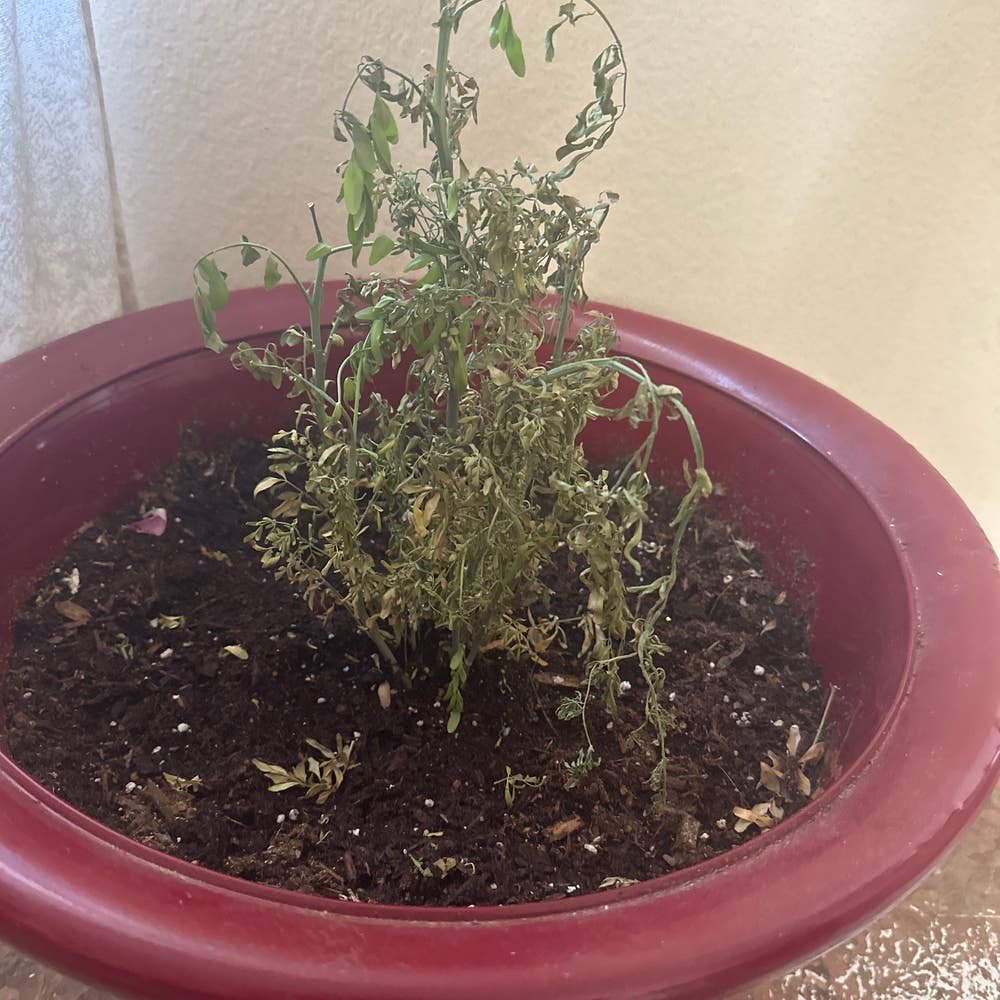
Frost tolerance is crucial for Rue. When temperatures dip, Rue's leaves may wilt, but the plant often rebounds once warmer weather returns, showcasing its hardiness.
🔥 Heat Tolerance
While Rue is tough against the cold, it can struggle with extreme heat. Prolonged exposure to temperatures above 90°F (32°C) can lead to leaf scorch and stunted growth.
During warmer months, Rue prefers a sweet spot between 70°F to 85°F (21°C to 29°C). This range supports healthy growth and vibrant foliage, making it essential for gardeners to monitor temperature closely.
🌡️ Specific Temperature Ranges
For optimal growth, Rue thrives between 60°F to 75°F (15°C to 24°C). This range balances cold and heat thresholds, ensuring the plant remains healthy and productive.
Understanding these temperature ranges is vital for successful cultivation. By recognizing the extremes Rue can handle, gardeners can better plan their planting strategies and protect their plants from environmental stressors.
With a solid grasp of Rue's temperature tolerance, let's explore the ideal growing regions where this resilient herb can truly flourish.
Ideal Growing Regions
Suitable US States 🌎
Rue thrives in hardiness zones 4a-9b, making it adaptable to various climates. Key states include California, Texas, and parts of the Northeast, where conditions favor its growth.
Contributing Factors 🌱
Soil type, sunlight exposure, and moisture levels play crucial roles in Rue's success. Well-drained soil is essential, along with full sun to partial shade, ensuring the plant receives adequate light without becoming waterlogged.
Regional Comparisons 🗺️
Microclimates within these states can significantly affect growing conditions. For instance, coastal areas may have milder temperatures and higher humidity compared to inland regions, influencing how Rue develops and flourishes.
Understanding these factors can help you select the best location for cultivating Rue, maximizing its potential in your garden. As we explore microclimates further, you'll see how they can create unique opportunities for growing this resilient herb.
Microclimates and Their Impact
🌍 Definition and Examples
Microclimates are localized climate variations that differ from the surrounding areas. They can be influenced by factors like elevation, proximity to bodies of water, and urban structures.
For instance, a hillside may experience warmer temperatures than the valley below due to elevation. Similarly, areas near lakes or rivers often have milder climates, creating ideal conditions for plants like Rue.
🌱 Extending Growing Zones
Microclimates can enable successful Rue cultivation even outside typical hardiness zones. Urban areas, with their heat-retaining buildings and paved surfaces, often create warmer pockets that can support this herb.
Sheltered locations, such as gardens protected by walls or trees, can also provide a favorable environment for Rue. These unique settings allow gardeners to experiment with growing Rue in less-than-ideal climates.
🌊 Beneficial Microclimates
Several microclimates across the U.S. enhance Rue's growing conditions. For example, coastal regions often have milder winters, allowing Rue to thrive longer.
In urban settings like San Francisco, gardeners have successfully cultivated Rue in unexpected areas, leveraging the city's unique climate. These case studies highlight the adaptability of Rue and the importance of understanding local microclimates for successful gardening.
As we explore the specific states suitable for Rue cultivation, consider how these microclimates can influence your gardening success.
State-Level Analysis
Suitable States List 🌿
Rue thrives in a variety of climates, particularly in states that fall within hardiness zones 4a-9b. Here’s a quick look at some of the most suitable states:
- California: Known for its Mediterranean climate, California offers warm, dry summers and mild, wet winters, making it ideal for Rue.
- Texas: With its diverse climate zones, Texas provides both hot summers and mild winters, allowing Rue to flourish in many regions.
- Northeast States: States like New York and Pennsylvania experience cold winters but have suitable growing conditions in the warmer months.
These states provide the right balance of temperature and moisture, essential for Rue's growth.
Unsuitable States 🚫
Not all states are conducive to growing Rue. States outside the 4a-9b range, such as:
- Florida: While warm, Florida's humidity and extreme heat can stress Rue.
- Alaska: The long winters and short growing season make it challenging for Rue to thrive.
These climatic factors, including excessive heat or prolonged cold, hinder Rue's ability to grow successfully.
Frost Dates Overview ❄️
Understanding frost dates is crucial for Rue cultivation. In suitable states, the average first frost date typically falls between late September and early November, while the last frost date can range from late March to early June.
These frost dates significantly impact Rue's growing season. Planting too early or too late can jeopardize Rue's health, so timing is key for successful growth.
With this knowledge, you can better navigate the challenges of growing Rue in your region. Next, let’s explore how microclimates can further enhance your gardening efforts.
⚠️ Safety First
This content is for general information and may contain errors, omissions, or outdated details. It is not medical, veterinary advice, or an endorsement of therapeutic claims.
Always consult a qualified healthcare professional before using any plant as food, medicine, or supplement.
Never eat any plant (or feed one to pets) without confirming its identity with at least two trusted sources.
If you suspect poisoning, call Poison Control (800) 222-1222, the Pet Poison Helpline (800) 213-6680, or your local emergency service immediately.
Spotted an error? Please report it here.
Unlock the secrets to thriving Rue 🌱 in any climate with Greg's tailored care reminders and expert tips that adapt to your unique gardening conditions!