🌱 5 Factors for Optimal Common Rue Growth
Ruta graveolens
By the Greg Editorial Team
Sep 30, 2024•4 min read
This article was created with the help of AI so we can cover more plants for you. May contain errors. See one? Report it here.
Cultivate vibrant Common Rue 🌱 with essential tips on sunlight, soil, and care for thriving growth!
- ☀️ Common Rue needs 6-8 hours of sunlight daily for optimal growth.
- 🌱 Ideal temperature for growth is 15°C to 25°C (59°F to 77°F).
- 🌿 Well-drained, slightly alkaline soil is essential for healthy Common Rue plants.
Common Rue Growth Requirements
🌞 Ideal Growing Conditions
Sunlight Requirements
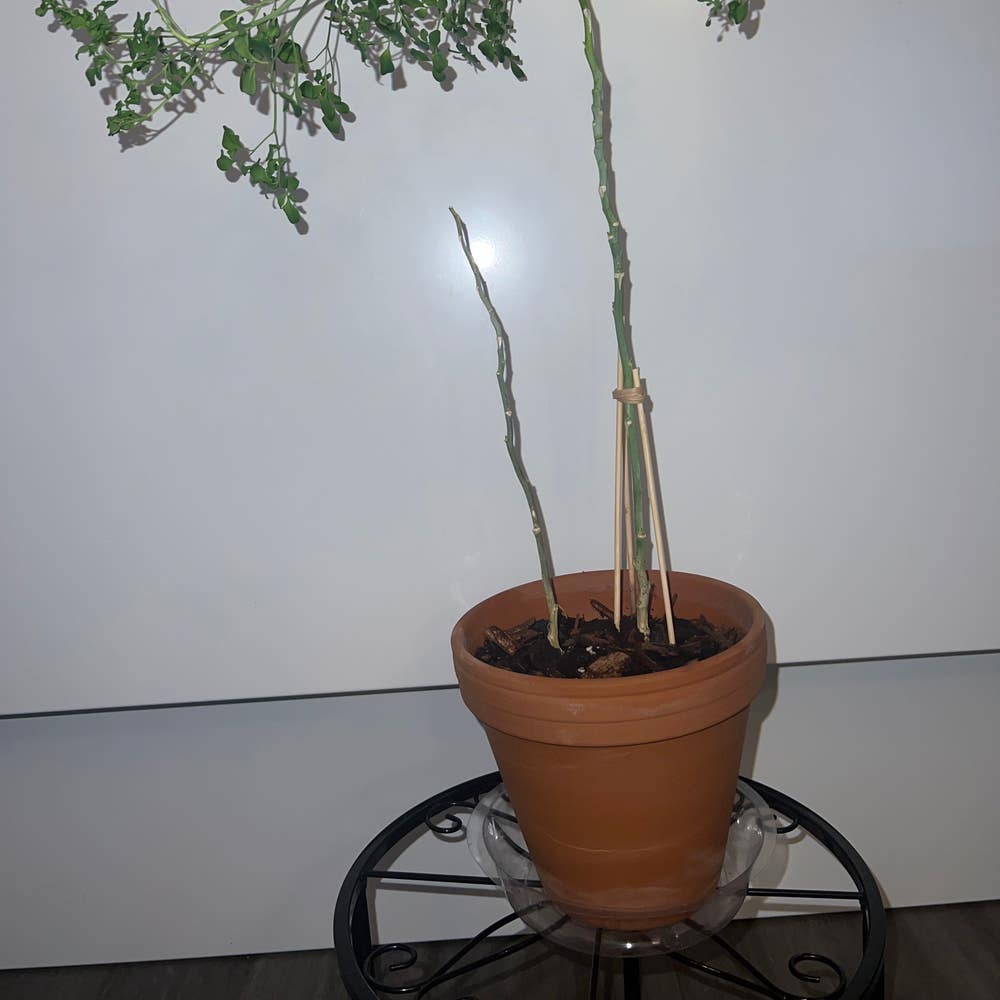
Common Rue thrives in full sun, needing 6 to 8 hours of direct sunlight daily for optimal growth. While it can tolerate partial shade, this may lead to leggy plants that lack vigor.
Temperature Preferences
This hardy herb flourishes in temperatures ranging from 15°C to 25°C (59°F to 77°F). Although it can withstand mild frost, it truly prefers warmer climates for robust growth.
🌱 Soil Type and pH Preferences
Soil Type
For best results, plant Common Rue in well-drained sandy or loamy soil. Heavy clay soils that retain moisture should be avoided, as they can lead to root issues.
Soil pH
Common Rue prefers a slightly alkaline to neutral pH, ideally between 6.5 and 8.0. Conducting a soil test can help you determine the pH levels, allowing for necessary amendments.
🌿 Cultivation Techniques
Choosing the Right Location
When growing outdoors, select a sunny spot with good air circulation. It's crucial to protect your plants from strong winds and heavy rainfall to ensure healthy growth.
For container gardening, choose pots with drainage holes to prevent waterlogging. Position these containers in sunny areas like patios or balconies for maximum sunlight exposure.
Soil Preparation Steps
- Clear the area of weeds and debris.
- Amend the soil with organic matter, such as compost, to enhance drainage and fertility.
- Test the soil pH and adjust as necessary using lime or sulfur.
Planting Methods and Spacing
When planting from seeds, sow them about 1/4 inch deep in spring after the last frost. Expect germination within 2 to 3 weeks.
If transplanting seedlings, space them 12 to 18 inches apart to allow for healthy growth. Be sure to water them thoroughly after planting to help them settle in.
💧 Ongoing Care for Common Rue
Watering Schedule and Techniques
Establish a consistent watering routine, adjusting based on weather conditions. Using a soaker hose or drip irrigation can help minimize water on the foliage, reducing the risk of disease.
Fertilizing Recommendations
In early spring, apply a balanced, slow-release fertilizer to kickstart growth. Fertilize every 4 to 6 weeks during the growing season to keep your plants thriving.
Pruning and Maintenance Tips
Trim back any leggy growth in early spring to encourage bushier plants. Additionally, removing spent flowers promotes new growth and keeps your Common Rue looking its best.
Regularly check for pests and diseases to maintain plant health. Early detection can save your plants from significant damage.
🐛 Common Challenges in Growing Common Rue
Identifying and Managing Pests
Common pests include aphids, which cause curled leaves and sticky residue, and spider mites, identifiable by fine webbing and stippled leaves. Control these pests using insecticidal soap or neem oil for effective treatment.
Recognizing and Treating Diseases
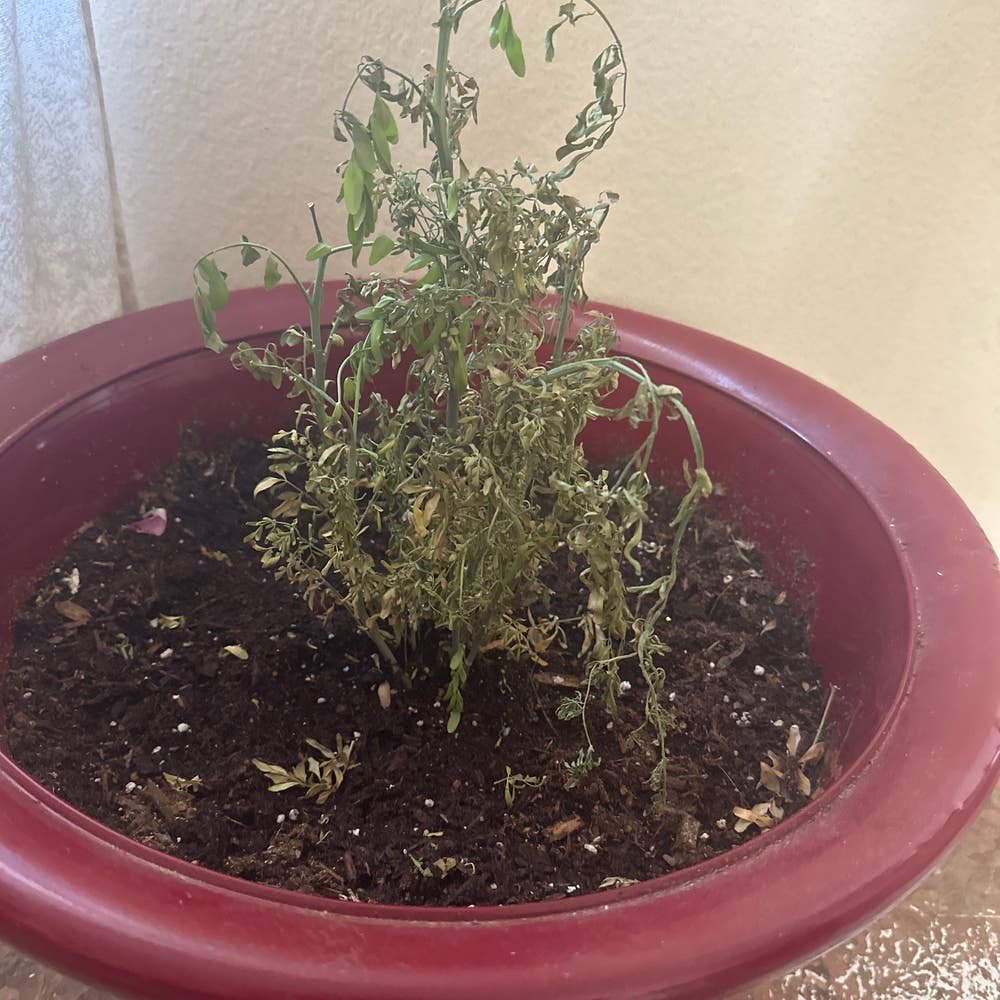
Root rot is a common issue, presenting as wilting and yellowing leaves. To prevent this, ensure your soil drains well and avoid overwatering.
If root rot occurs, remove affected plants and improve soil drainage to prevent future issues.
Solutions for Environmental Stress
Once established, Common Rue is drought-tolerant, so you can reduce watering frequency during dry spells. Conversely, if overwatering is a concern, adjust your schedule and enhance drainage to prevent root rot.
🍃 Seasonal Considerations
Spring Care Tips for New Growth
As new growth appears, fertilize with a balanced fertilizer to support development. Keep an eye out for pests and diseases as temperatures rise, ensuring your plants stay healthy.
Summer Maintenance
During hot, dry spells, increase your watering frequency to keep plants hydrated. Prune any overgrown areas to maintain shape and encourage airflow.
Fall Preparation for Winter Dormancy
As temperatures drop, reduce watering to prepare your plants for winter dormancy. Cutting back foliage helps them conserve energy for the colder months ahead.
With these guidelines, you'll be well-equipped to cultivate thriving Common Rue plants, ensuring they flourish in your garden or containers. Next, let’s explore ongoing care to keep your plants healthy and vibrant.
⚠️ Safety First
This content is for general information and may contain errors, omissions, or outdated details. It is not medical, veterinary advice, or an endorsement of therapeutic claims.
Always consult a qualified healthcare professional before using any plant as food, medicine, or supplement.
Never eat any plant (or feed one to pets) without confirming its identity with at least two trusted sources.
If you suspect poisoning, call Poison Control (800) 222-1222, the Pet Poison Helpline (800) 213-6680, or your local emergency service immediately.
Spotted an error? Please report it here.
Cultivate thriving Common Rue 🌿 by using Greg's tailored care reminders and watering plans to ensure your plant flourishes in its ideal conditions!