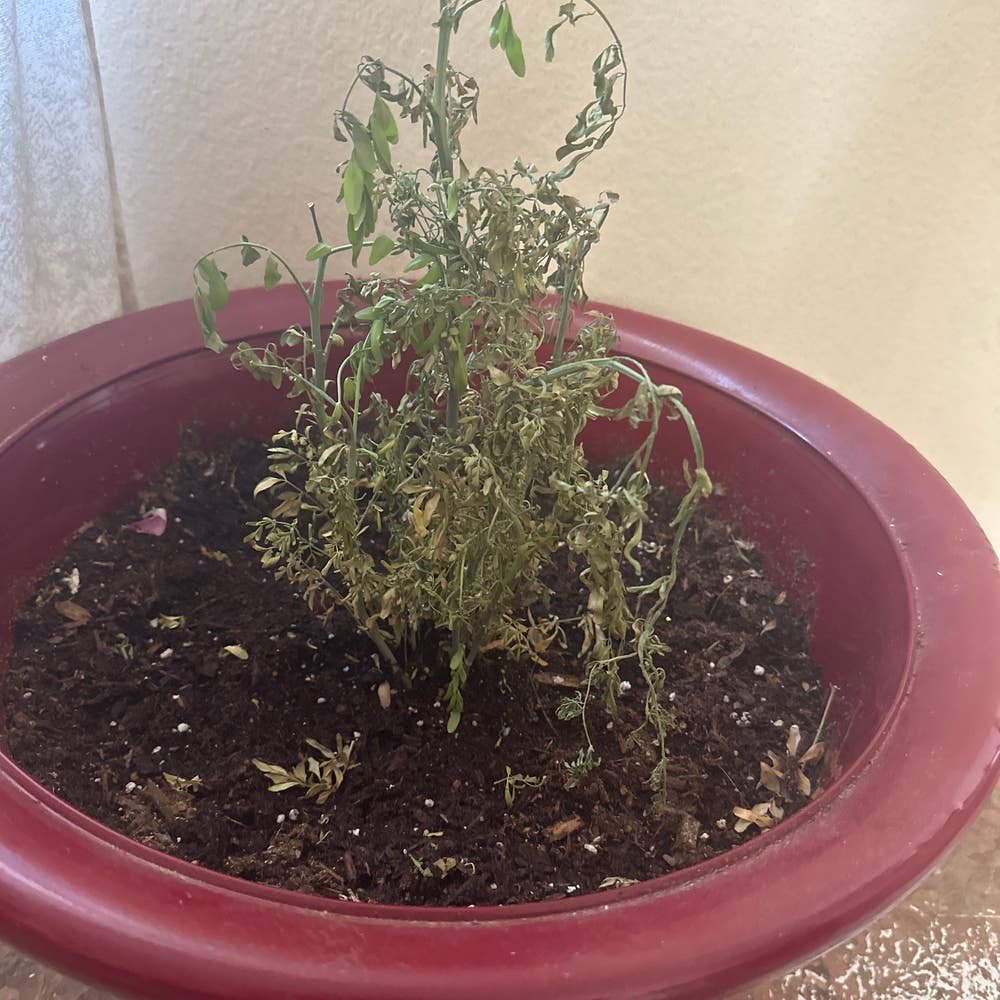
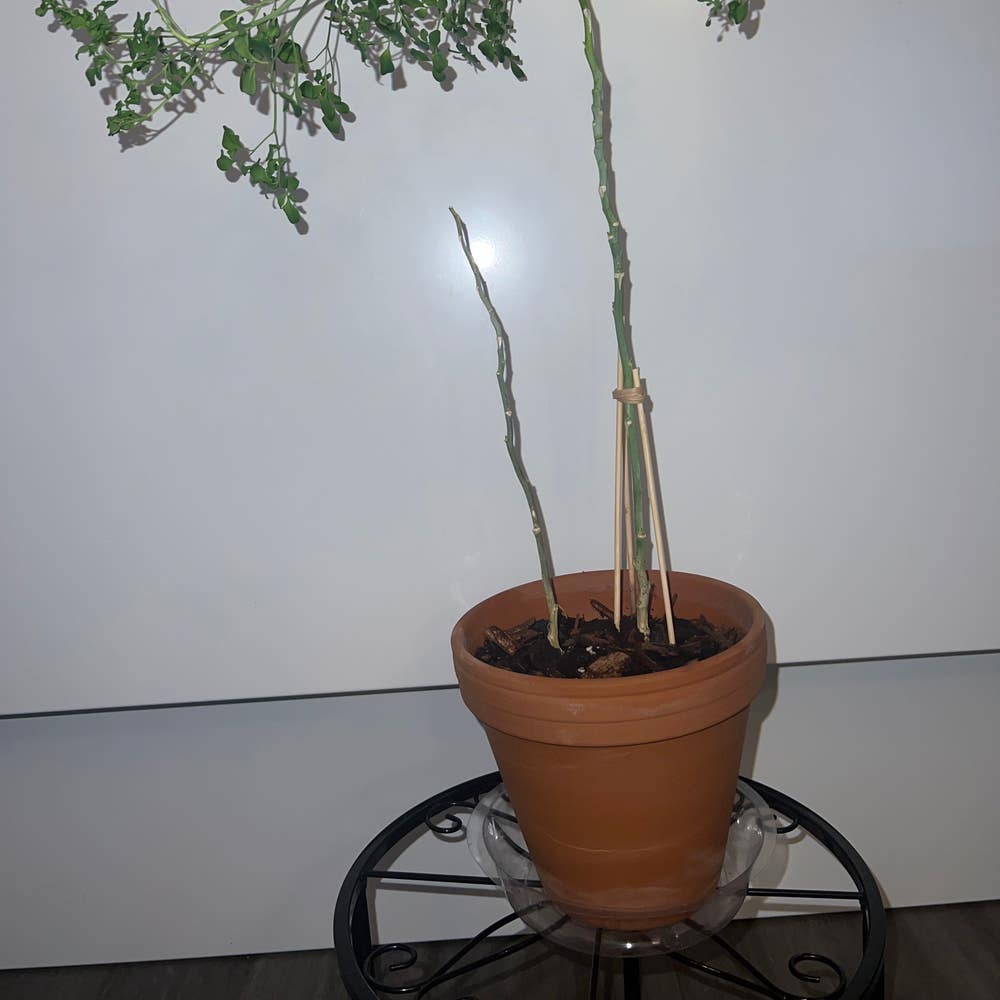
🐛 What To Do About Bugs on My Common Rue?
Ruta graveolens
By the Greg Editorial Team
Jun 18, 2024•4 min read
This article was created with the help of AI so we can cover more plants for you. May contain errors. See one? Report it here.
Protect your common rue 🌿 and keep your garden flourishing with these essential pest-fighting tactics.
- Spider mites and scale insects: Use water, ladybugs, neem oil, or insecticides.
- Fungus gnats, fruit flies, mealybugs: Employ sticky traps, alcohol swabs, or systemic insecticides.
- Prevent pests with IPM: Combine cultural, biological, and chemical controls.
Spot the Invaders: Identifying Common Rue Pests
🕷️ Spider Mites
Tiny but mighty, spider mites can turn your common rue into their personal buffet. Webs and discolored leaves are the smoking gun. Blast them with water or let ladybugs loose for a natural smackdown. For the die-hard mites, organic miticides should do the trick.
🐞 Scale Insects
These sneaky critters blend in, masquerading as part of the plant. If your common rue looks like it's sporting some unusual bumps, it's time for a closer look. Neem oil can send them packing, or you might need the big guns: insecticides.
🦟 Fungus Gnats and Fruit Flies
Small flies zipping around your plant are bad news. Fungus gnats love to loiter in moist soil, while fruit flies are after your sweet fruit stash. Yellow sticky traps can catch these pests in the act, or a dose of insecticidal soap can clear the air.
🍬 Mealybugs
If it looks like your common rue is caught in a cotton candy machine, you've got mealybugs. These pests are all about the cozy white clusters. Swipe them with alcohol swabs or go full offense with systemic insecticides.

The Prevention Game Plan
🛡️ Cultivating a Hostile Environment: Preventative Measures for Common Rue
Regular inspections are your first line of defense. Like a security guard making their rounds, check your common rue for uninvited guests. Consistency in care—watering, lighting, and maintaining stable conditions—makes your plant less appealing to pests.
Well-drained soil is non-negotiable. Rue despises wet feet, and soggy soil is a VIP lounge for root rot. Ensure your garden bed is as inhospitable to pests as a desert is to a fish.
Airflow is the unsung hero. Good circulation is to bugs what a strong wind is to a house of cards—it knocks pest plans right over. Position your rue to breathe freely, reducing the risk of infestation.
🚨 Regular Check-ups: Monitoring Your Rue for Early Signs of Pests
Quarantine new plants like they're suspects in a lineup. They could be harboring pests, and isolation helps prevent a breakout.
Cleanliness is a virtue, especially in the garden. Remove leaf litter and debris to avoid giving pests a cozy home. It's like taking out the trash—if you don't, it'll attract vermin.
Be proactive, not reactive. Introduce natural predators like ladybugs to keep potential pests in check. It's like having a bouncer at the door of a club, keeping the troublemakers out.
Stay vigilant. Even after you've cleared an infestation, keep an eye out. Pests are like bad habits—they tend to make a comeback if you're not careful.

Integrated Pest Management for Common Rue
🛡️ Combining Tactics: The Philosophy of Integrated Pest Management
Integrated Pest Management (IPM) is not a one-trick pony when it comes to defending your Common Rue against pests. It's a strategic blend of methods that work in concert to keep your garden both lush and bug-free. Think of IPM as your garden's personal security system, where every component has a role, from the motion sensors (cultural controls) to the alarms (biological controls), and, if necessary, the cavalry (chemical controls).
💡 Cultural, Biological, and Chemical Controls: A Balanced Approach
🌱 Cultural Controls
Cultivating resilience in your Common Rue starts with cultural controls. This includes regular maintenance like pruning and mulching, which can deter pests by removing their habitats and food sources. It's about making your garden a fortress that's just not welcoming to invaders.
👩🌾 Biological Controls
Next up, biological controls are your garden's allies, the good bugs that eat the bad ones. Releasing predatory insects or using plants that attract these beneficial creatures can tip the scales in your favor. It's like having your own army of tiny ninjas protecting your Common Rue.
🚫 Chemical Controls
Chemical controls are the last line of defense. They're the big guns, but with IPM, you use them sparingly and smartly—only when necessary. It's about choosing the right pesticide, applying it at the right time, and in the right amount to minimize harm to the environment and non-target organisms.
By weaving these tactics together, IPM creates a robust defense for your Common Rue that's effective, sustainable, and environmentally conscious. It's not just about winning the battle against pests; it's about doing it in a way that ensures your garden thrives for seasons to come.

⚠️ Safety First
This content is for general information and may contain errors, omissions, or outdated details. It is not medical, veterinary advice, or an endorsement of therapeutic claims.
Always consult a qualified healthcare professional before using any plant as food, medicine, or supplement.
Never eat any plant (or feed one to pets) without confirming its identity with at least two trusted sources.
If you suspect poisoning, call Poison Control (800) 222-1222, the Pet Poison Helpline (800) 213-6680, or your local emergency service immediately.
Spotted an error? Please report it here.
Keep your common rue resilient 🛡️ against pests with Greg's tailored care reminders and integrated pest management tips for a thriving garden season after season!