✂️ Ultimate Guide to Pruning Rue
Ruta graveolens
By the Greg Editorial Team
Oct 11, 2024•6 min read
This article was created with the help of AI so we can cover more plants for you. May contain errors. See one? Report it here.
Unlock your rue's full potential 🌱 with expert pruning tips for vibrant growth and stunning blooms!
- ✂️ Pruning rue boosts growth and enhances flowering by redirecting energy effectively.
- 🌿 Healthy pruning improves air circulation, preventing diseases and promoting vitality.
- 🧤 Use sharp tools and gloves to protect hands and ensure clean cuts.
Benefits of Pruning Rue
Pruning rue offers a multitude of benefits that can transform your gardening experience. First and foremost, it encourages bushier growth and denser foliage, resulting in a more vibrant and lush plant.
🌼 Healthier Flowering and Vitality
Regular pruning promotes healthier flowering and boosts overall plant vitality. By removing spent blooms and excess growth, you redirect the plant's energy toward producing new flowers and foliage.
🌿 Aesthetic Appeal
Managing the size and shape of your rue not only enhances its beauty but also makes it easier to integrate into your garden design. A well-pruned plant can serve as a stunning focal point or complement other plants effortlessly.
🦠 Disease Prevention
Pruning also plays a crucial role in reducing the risk of disease. By improving air circulation around the plant, you help prevent conditions that can lead to fungal infections and other ailments.
In summary, the benefits of pruning rue extend beyond mere aesthetics. With healthier growth, enhanced flowering, and disease prevention, your rue will thrive, making your gardening efforts all the more rewarding. Next, let’s explore the essential tools you’ll need for effective pruning.
Tools Needed for Pruning Rue
✂️ Sharp Pruning Shears
Investing in a good pair of sharp pruning shears is essential. They ensure clean cuts, minimizing damage to the plant and promoting quicker healing.
🧤 Garden Gloves
Protect your hands with sturdy garden gloves. Rue can produce sap that irritates the skin, so it's best to keep your hands safe while you work.
🧼 Disinfectant
Before and after using your tools, clean them with a disinfectant. This simple step helps prevent the spread of diseases between plants.
📏 Ruler or Measuring Tape
For precise cutting and shaping, a ruler or measuring tape is invaluable. It helps you maintain the desired size and form of your rue plants.
With the right tools in hand, you're ready to dive into the pruning process. Next, let’s explore the step-by-step guide to effectively prune your rue.
Step-by-Step Guide to Pruning Rue
Pruning rue can seem daunting, but with the right approach, it becomes a straightforward task. Follow these steps to ensure your plant thrives.
1. Assess the Plant 🌱
Start by examining your rue. Look for areas that need attention based on growth habits and overall health.
2. Prepare Tools 🛠️
Before diving in, gather your tools. Ensure they are clean and sharp to make precise cuts.
3. Start with Dead or Damaged Stems 🥀
Begin by removing any dead or damaged stems. Cut back to healthy tissue to encourage new growth.
4. Shape the Plant ✂️
Next, focus on shaping your rue. Trim back overgrown areas to maintain the desired size and form.
5. Make Cuts at a 45-Degree Angle 📐
When making cuts, aim for a 45-degree angle. This technique helps prevent water from accumulating on the cuts, reducing the risk of rot.
6. Clean Up 🧹
Finally, tidy up your workspace. Remove all cuttings to prevent pests and diseases from taking hold.
By following these steps, you’ll not only enhance the health of your rue but also enjoy its beauty for longer. Ready to learn about deadheading? Let’s dive into that next!
Deadheading Rue
🌼 Importance of Deadheading
Deadheading is essential for keeping your rue plant vibrant. By removing spent flowers, you redirect energy from seed production to new growth, encouraging prolonged blooming.
Additionally, this practice enhances the plant's aesthetic appeal. A tidy appearance not only looks great but also promotes overall health.
✂️ Step-by-Step Instructions for Deadheading Rue
Identify spent flowers: Look for wilted or brown blooms that detract from the plant's beauty.
Use clean pruning shears: Cut the flower stem back to the first set of healthy leaves. This ensures a clean cut and minimizes stress on the plant.
Dispose of cut flowers: Remove the debris to prevent attracting pests. A clean garden is a happy garden!
Deadheading is a simple yet effective way to keep your rue thriving. With just a few snips, you can enhance both its beauty and vitality.
Next, let's explore common problems and solutions to ensure your rue remains healthy and robust.
Common Problems and Solutions
🌱 Identifying Overgrowth in Rue
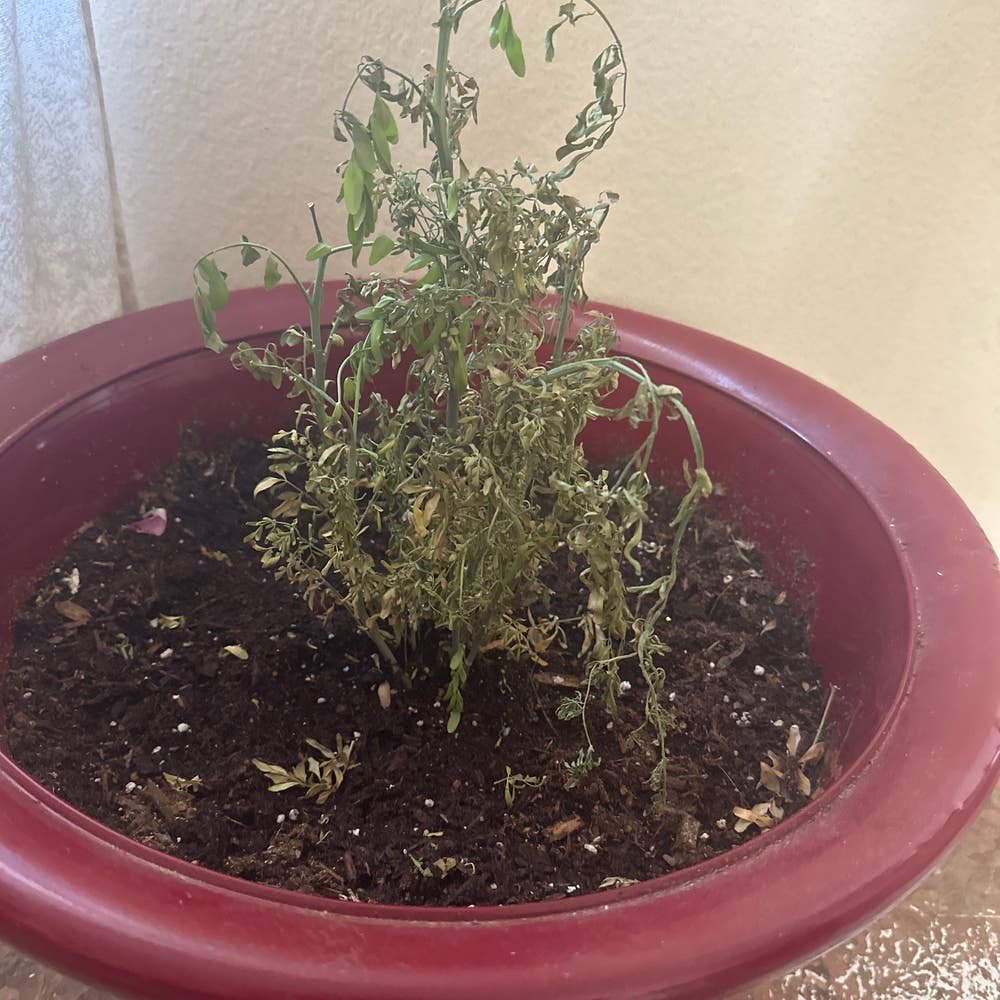
Overgrowth in rue can be a real headache. Look for signs like dense, tangled stems and reduced airflow, which can lead to health issues.
Regular pruning is your best friend here. It helps maintain the plant's shape and overall health, ensuring it thrives.
🐛 Addressing Pest Issues Related to Pruning
Pests can quickly become a problem if you’re not vigilant. Common culprits include aphids and spider mites, which love to hide in dense foliage.
To keep these pests at bay, conduct regular inspections. Using insecticidal soap can be effective, along with maintaining plant health through proper pruning.
🦠 Managing Diseases That Affect Rue Post-Pruning
Diseases can sneak in after pruning, so it's essential to be aware. Root rot and powdery mildew are two common issues that can plague your rue.
To prevent these diseases, ensure your soil is well-drained. Avoid overhead watering to keep the leaves dry and healthy.
By staying proactive about these common problems, you can ensure your rue remains vibrant and healthy. Now, let’s explore how to care for your rue after pruning!
Post-Pruning Care for Rue
Aftercare Following Pruning 🌱
After pruning your rue, proper aftercare is crucial for its recovery. Start by ensuring the plant receives adequate moisture without waterlogging the soil.
Mulching is another essential step. A layer of mulch helps retain moisture and suppress weeds, creating a healthier environment for your rue.
Fertilization Considerations Post-Pruning 🌿
Timing is everything when it comes to fertilization. Aim to fertilize your rue 2-4 weeks after pruning to support new growth effectively.
When selecting a fertilizer, choose a balanced, slow-release option suitable for herbs. This will provide the nutrients your plant needs without overwhelming it.
Monitoring Rue Health After Pruning 👀
Regular checks on your rue are vital. Keep an eye out for new growth and any signs of stress, as these can indicate how well your plant is responding to care.
Be prepared to adjust your watering and fertilization based on your plant's needs. This attentive approach will help ensure your rue thrives post-pruning.
With these aftercare tips, your rue will be well on its way to flourishing beautifully. Next, let’s explore common problems and solutions to keep your plant healthy and vibrant.
⚠️ Safety First
This content is for general information and may contain errors, omissions, or outdated details. It is not medical, veterinary advice, or an endorsement of therapeutic claims.
Always consult a qualified healthcare professional before using any plant as food, medicine, or supplement.
Never eat any plant (or feed one to pets) without confirming its identity with at least two trusted sources.
If you suspect poisoning, call Poison Control (800) 222-1222, the Pet Poison Helpline (800) 213-6680, or your local emergency service immediately.
Spotted an error? Please report it here.
Transform your rue into a bushy beauty 🌿 with Greg's tailored pruning reminders and expert care tips that keep your plant thriving and vibrant!