Top 4 Tips for Choosing Rue Soil 🥄
Ruta graveolens
By the Greg Editorial Team
Oct 11, 2024•5 min read
This article was created with the help of AI so we can cover more plants for you. May contain errors. See one? Report it here.
Unlock vibrant Rue growth by mastering soil health—your garden will thank you! 🌱✨
- 🌱 Healthy Rue soil requires proper drainage, pH, and nutrient balance for thriving plants.
- 🧪 Test soil pH to ensure it’s between 6.0 and 8.0 for optimal growth.
- 💧 Avoid mold and compaction by checking moisture levels and aerating regularly.
Identifying Unhealthy Soil
🚩 Signs of Unhealthy Soil
Moldy Soil
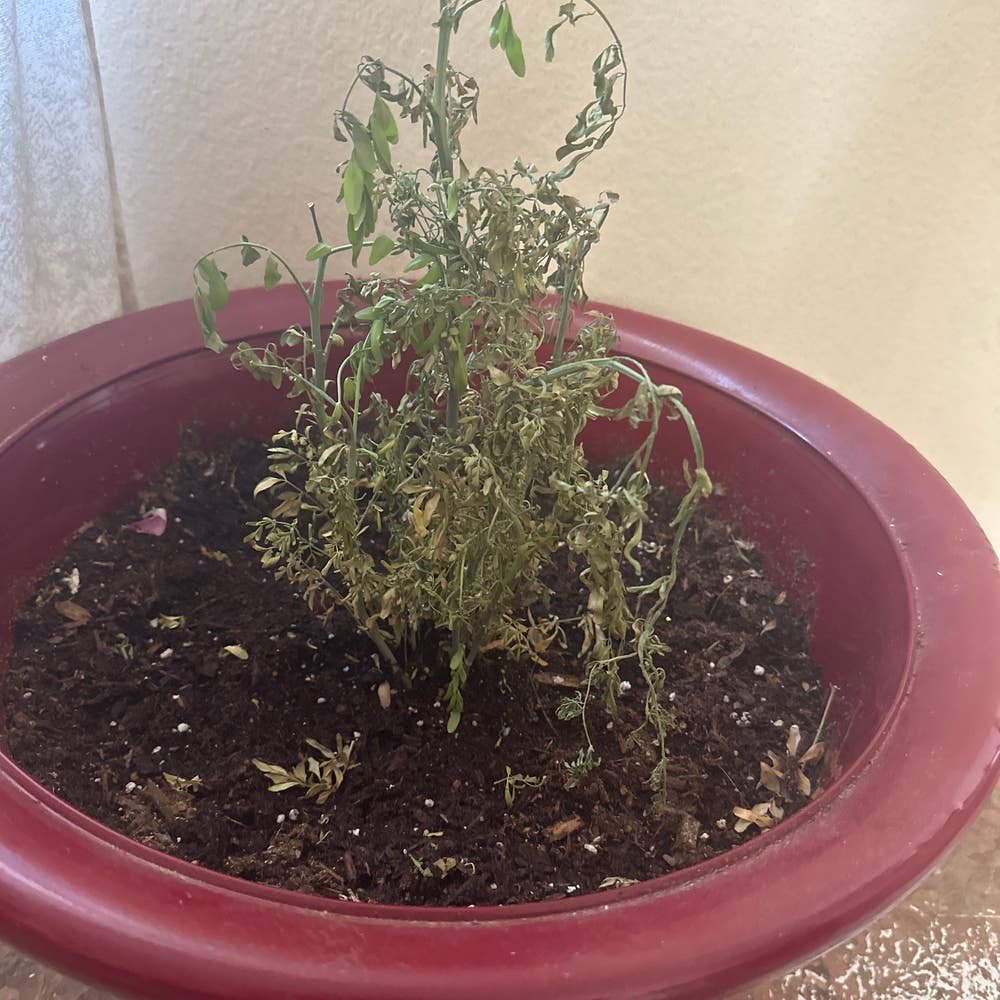
If you spot white or gray mold on the soil surface, it’s a clear sign of trouble. This usually indicates overwatering or poor drainage, which can lead to serious plant health issues.
Soil Compaction
Hard, dense soil that retains water is another red flag. Compacted soil limits root growth and nutrient absorption, making it difficult for your plants to thrive.
🔍 How to Test Soil Health
Soil Moisture Test
To check for excessive moisture, use a moisture meter or simply dig into the soil with your hand. This easy test can help you determine if your soil is too wet.
pH Testing
A soil pH test kit is essential for understanding the acidity or alkalinity of your soil. Knowing your soil's pH can guide you in making necessary adjustments for optimal plant health.
🛠️ Solutions for Unhealthy Soil
For Moldy Soil
Start by removing the affected soil and replacing it with a fresh, well-draining mix. Improving air circulation around the plant can also help prevent mold from returning.
For Compacted Soil
Incorporate organic matter, like compost, to improve soil texture and promote better drainage. Gently aerating the soil with a garden fork can also help alleviate compaction and encourage root growth.
Identifying and addressing unhealthy soil is crucial for nurturing your Rue plants. With these tips, you can ensure your soil is in top shape, setting the stage for vibrant growth. Next, let’s explore the ideal soil pH for optimal plant health.
Ideal Soil pH
Recommended pH range 🌱
The ideal pH for Rue soil falls between 6.0 and 8.0. This range supports optimal growth, ensuring your plants thrive.
Effects of pH on growth ⚖️
A low pH, which is acidic, can lead to nutrient deficiencies. This deficiency can significantly affect the overall health of your Rue plants.
Conversely, a high pH, or alkaline soil, may cause nutrient lockout. This is particularly problematic for essential nutrients like iron and manganese.
How to adjust soil pH 🔧
Adjusting soil pH is straightforward. To raise the pH, simply add lime or wood ash to your soil mix.
If you need to lower the pH, incorporate sulfur or peat moss. These amendments will help create a balanced environment for your plants.
Understanding and managing soil pH is crucial for healthy Rue growth. With the right adjustments, you can ensure your plants receive the nutrients they need to flourish.
Next, let’s explore how to create a homemade soil mix that complements these pH adjustments.
Creating a Homemade Soil Mix
Essential Components for Soil Mix 🌱
Creating a homemade soil mix is essential for nurturing healthy Rue plants. Start with a base of 50% well-draining sandy or loamy soil to provide a solid foundation.
Next, add 30% compost to enrich the mix with vital nutrients. Finally, include 20% perlite or coarse sand to enhance aeration and drainage, ensuring your plants thrive.
Step-by-Step Guide to Mixing Soil 🛠️
Mixing your own soil is straightforward. Follow these easy steps:
- Gather materials: sandy soil, compost, and perlite.
- Combine the sandy soil and compost in a large container.
- Gradually mix in perlite until you achieve the desired texture.
- Test the pH of the mix and adjust if necessary to ensure optimal growth.
Tips for Customizing Soil Mix ✨
Customization can make a significant difference in your soil mix. Consider your local climate; adding more organic matter is beneficial in cooler, wetter areas.
Additionally, adjust drainage components if you live in regions with heavy rainfall. This ensures your soil remains well-balanced and supports healthy Rue growth.
With the right mix, your plants will flourish, setting the stage for a vibrant garden. Next, let's explore the importance of soil drainage and aeration for optimal plant health.
Soil Drainage and Aeration
🚰 Importance of drainage
Proper soil drainage is crucial for preventing root rot and promoting healthy growth. It ensures that Rue plants receive adequate oxygen to their roots, which is essential for their overall vitality.
🌊 How to improve soil drainage
To enhance drainage, start by using pots with drainage holes. This simple step allows excess water to escape, preventing soggy soil.
Incorporate coarse materials like gravel or sand into your soil mix. These additions create air pockets, improving water flow and preventing compaction.
🌬️ Best practices for aerating soil
Regularly check soil moisture to avoid overwatering. This practice helps maintain the right balance, ensuring your Rue thrives.
Use a garden fork to gently aerate the top layer of soil. This technique allows oxygen to penetrate deeper, fostering healthier root systems.
By focusing on drainage and aeration, you set the stage for robust Rue growth. Next, let’s explore the essential nutrients your soil needs for optimal plant health.
Soil Nutrients
Key Nutrients Needed 🌱
To cultivate healthy Rue, focus on three essential nutrients: nitrogen, phosphorus, and potassium.
- Nitrogen is crucial for leafy growth, giving plants that lush, green appearance.
- Phosphorus plays a vital role in root development, ensuring strong and healthy root systems.
- Potassium aids in overall plant health and boosts disease resistance, making your Rue more resilient.
How to Amend Soil with Nutrients 🧑🌾
Amending your soil with nutrients is straightforward and rewarding.
- Use organic fertilizers like fish emulsion or bone meal to enrich the soil naturally.
- Apply slow-release fertilizers during the growing season to provide a steady supply of nutrients.
These methods not only nourish your plants but also enhance the soil's overall health.
Organic vs. Synthetic Fertilizers ⚖️
When it comes to fertilizers, you have two main options: organic and synthetic.
- Organic fertilizers are safer for the environment and improve soil health over time, fostering a sustainable growing environment.
- Synthetic fertilizers offer quick nutrient boosts but can lead to soil degradation if overused, so moderation is key.
Choosing the right type of fertilizer can make a significant difference in your Rue's growth and vitality.
As you consider your options, remember that nurturing your soil is an investment in your plants' future. With the right nutrients, your Rue will thrive, setting the stage for a flourishing garden.
Next, let’s explore the importance of soil drainage and aeration for optimal plant health.
⚠️ Safety First
This content is for general information and may contain errors, omissions, or outdated details. It is not medical, veterinary advice, or an endorsement of therapeutic claims.
Always consult a qualified healthcare professional before using any plant as food, medicine, or supplement.
Never eat any plant (or feed one to pets) without confirming its identity with at least two trusted sources.
If you suspect poisoning, call Poison Control (800) 222-1222, the Pet Poison Helpline (800) 213-6680, or your local emergency service immediately.
Spotted an error? Please report it here.
Ensure your Rue plants flourish in optimal soil conditions 🌱 by using Greg's tailored moisture alerts and soil care tips to keep your garden thriving!