Common Rue Root Rot Solutions
Ruta graveolens
By the Greg Editorial Team
Jun 18, 2024•4 min read
This article was created with the help of AI so we can cover more plants for you. May contain errors. See one? Report it here.
Combat Common Rue root rot 🌿 with expert tips to spot, stop, and prevent it effectively!
- Wilting and yellowing leaves signal Common Rue root rot.
- Prune roots, adjust soil/water to combat and prevent rot.
- Use fungicides wisely, and boost plant immunity with care.
Spotting the Red Flags: Symptoms of Root Rot in Common Rue
🚩 Visual Symptoms
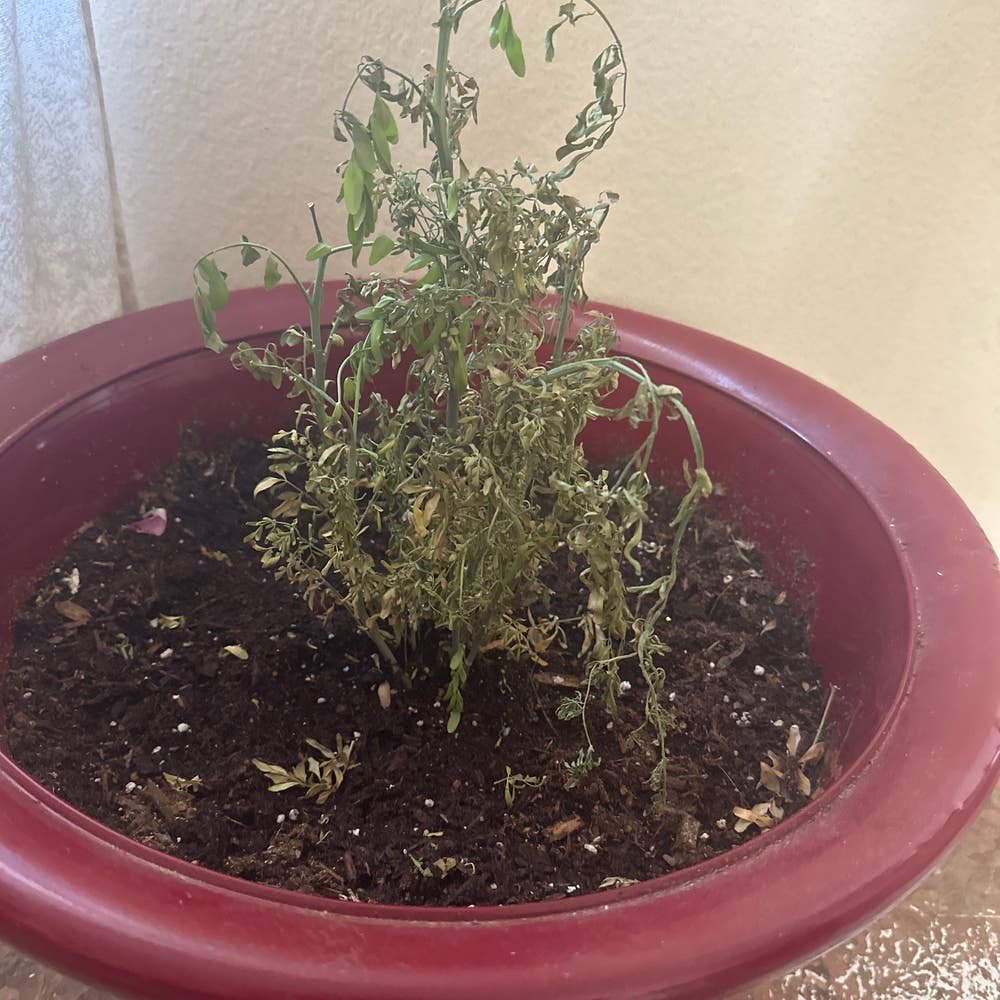
Wilting, yellowing leaves, and stunted growth are the triple threat of root rot symptoms in Common Rue. These visual cues are your plant's version of waving a white flag.
🕳 Below the Surface
Diving below the soil line, root discoloration and a foul odor are the tell-tale signs of trouble. Roots should be firm and white, not mushy and brown like a forgotten fruit at the bottom of your fridge.

First Response: Immediate Actions to Alleviate Root Rot
🌿 Inspecting and Pruning
When root rot strikes your Common Rue, it's time for some underground detective work. Inspect the roots by gently removing the plant from the soil. Look for roots that are brown, mushy, or emitting a foul odor—these are the culprits. Using sterilized shears, prune these affected areas. Remember, it's like performing surgery: only remove the damaged parts to prevent spreading the infection.
💧 Soil and Water Adjustments
After surgery, it's crucial to prevent a relapse. Overhauling your watering routine is non-negotiable—make sure the soil dries out between waterings. If your Common Rue is potted, consider a complete soil replacement with a well-draining mix, perhaps one that includes perlite or sand. For garden plants, enhance drainage by working in organic matter or creating raised beds. Keep the base of the plant dry to avoid future soggy situations.

Going on the Offensive: Treating Root Rot in Common Rue
🛡️ Choosing the Right Fungicide
When root rot strikes your Common Rue, it's time to play hardball. Fungicides are your best bet, but not just any fungicide will do; you need one that's up to the task. Look for products containing Aliette, Alude, or Terrazole, known for their effectiveness against the root rot culprits. Rotate your fungicides based on their FRAC code to prevent any crafty pathogens from developing resistance. Always, and I mean always, follow the label's instructions like it's your garden bible.
💪 Boosting Plant Immunity
After the fungal smackdown, it's time to give your Common Rue a health kick. Start with nutrition; balanced fertilization is key. Think of it as a plant protein shake, helping it bulk up its defenses. Then, ensure your Rue's living conditions are top-notch. Proper sunlight and air circulation are like a spa retreat for your plant, reducing stress and promoting vigor. It's not just about saving your plant; it's about setting it up to thrive in a post-root rot world.

Building Defenses: Preventative Measures for Root Rot
🌱 Smart Planting
Spacing is your plant's best friend. Like people in an elevator, plants need personal space to breathe and stay healthy. Ensure good ventilation and avoid crowding your garden to dodge a root rot rave.
Cleanliness is next to gardenliness. Keep those gardening tools as pristine as a surgeon's scalpel to prevent nasty microbe mixers. It's simple: dirty tools can lead to dirty plants.
💧 Water Wisdom
Watering is an art form. Only water when the soil feels like a wrung-out sponge—damp but not dripping. Overwatering is the fast track to root rot, so let's not drown our green buddies.
Drainage is key. Think of well-draining soil as your plant's comfy, breathable sneakers. It needs to let excess water escape to avoid soggy root syndrome. A pot with drainage holes? Non-negotiable.
🌱 Soil Vigilance
Organic matter is the life of the soil party. It keeps the soil structure in tip-top shape, promoting a well-drained and happy home for roots.
Soil health is a full-time gig. Regularly check for compaction and give your soil a fluff-up to keep it light and airy. It's like a spa day for your plant's roots.
Raised beds or berms are like the penthouses of plant real estate. They elevate your plants, ensuring better drainage and reducing the risk of waterlogged roots.
Remember, prevention isn't just a strategy; it's a lifestyle for your garden. Keep those roots dry and your plants high on life.
⚠️ Safety First
This content is for general information and may contain errors, omissions, or outdated details. It is not medical, veterinary advice, or an endorsement of therapeutic claims.
Always consult a qualified healthcare professional before using any plant as food, medicine, or supplement.
Never eat any plant (or feed one to pets) without confirming its identity with at least two trusted sources.
If you suspect poisoning, call Poison Control (800) 222-1222, the Pet Poison Helpline (800) 213-6680, or your local emergency service immediately.
Spotted an error? Please report it here.
Prevent Common Rue root rot and keep your garden healthy 🌿 with Greg's custom care reminders and soil moisture alerts tailored to your plant's needs.