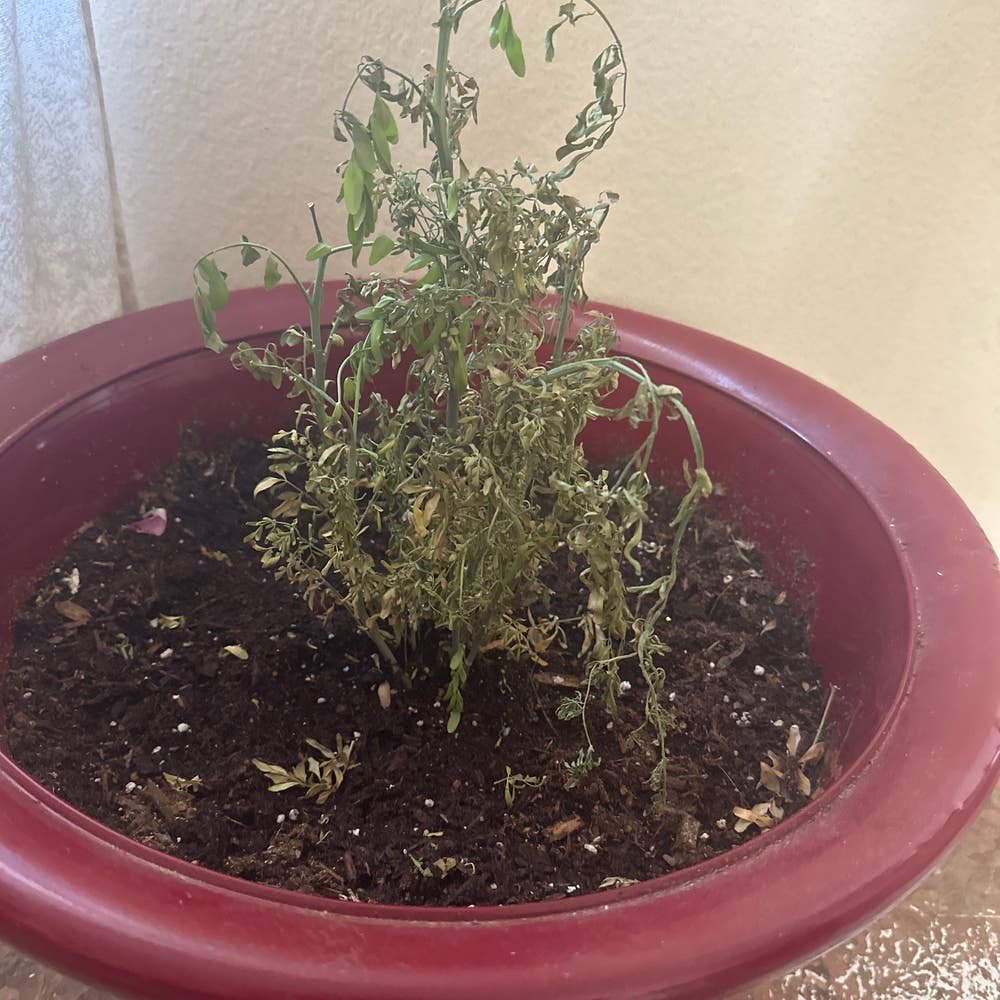
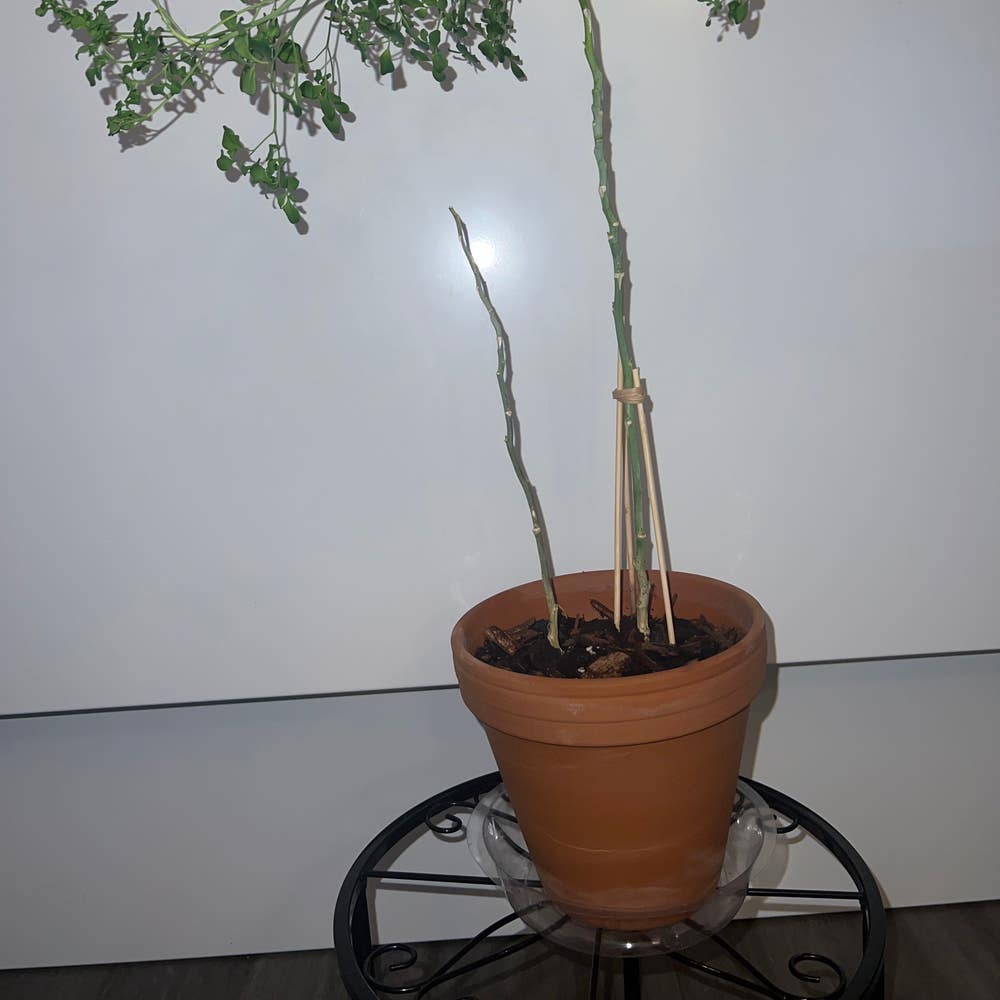
Why Is My Common Rue Dropping Leaves?
Ruta graveolens
By the Greg Editorial Team
Jun 18, 2024•5 min read
This article was created with the help of AI so we can cover more plants for you. May contain errors. See one? Report it here.
Prevent the leafy despair 🍂 of your Common Rue with these essential care tips for a thriving plant!
- Yellowing leaves signal distress; check for overwatering and pests.
- Stable environment is key; avoid temperature fluctuations and nutrient imbalances.
- Sunlight matters; adjust location for optimal exposure and prevent leaf drop.
Spot the Signs: Recognizing Leaf Drop in Common Rue
🚨 Early Warning Signals
Yellowing leaves can be the first hint that your Common Rue is in distress. If you notice foliage turning from a vibrant green to a sickly yellow, it's time to perk up and pay attention.
🍂 Leaf Lifespan
Common Rue is evergreen in warm climates, which means leaves should stay put year-round. A leaf or two hitting the dirt occasionally is normal, but a sudden shower of leaves? That's your cue something's up.
🌬️ Environmental Stress
Drafty locations are a big no-no for Common Rue. If leaves are dropping like it's autumn in the middle of spring, check for temperature fluctuations around your plant.
👀 Visual Inspections
Regularly spot check your Common Rue for signs of trouble. Catching issues early can be the difference between a thriving shrub and a plant funeral.
🐜 Pests and Diseases
Be on the lookout for pests like spider mites, which can cause leaf drop. Also, watch for signs of disease, such as unusual spots or textures on the leaves.
🌱 Natural Aging
Remember, as Common Rue matures, it becomes woody, and older leaves may drop as part of the natural aging process. This is normal and not a cause for alarm.
💧 Moisture Check
Overwatering can cause leaves to yellow and drop. Ensure the soil is dry an inch down before watering again. A well-draining potting mix is essential to prevent root rot.
🌿 Nutrient Balance
A lack of nutrients can lead to leaf drop. If your Common Rue looks lackluster, consider whether it's time for a nutrient boost.
☀️ Light Levels
Common Rue loves the sun. If it's not getting enough, leaves may drop as a cry for more light. Adjust your plant's location to make sure it's basking in enough rays.

Root of the Problem: Overwatering and Poor Drainage
💧 How to Tell If You're Overwatering Your Common Rue
Yellow leaves falling off your Common Rue? It's screaming, "Help, I'm drowning!" Overwatering is like a bad relationship—it's suffocating. To diagnose, poke a hole in the soil and fill it with water. If it's still there after a few hours, your soil is more clingy than it should be.
🚱 Fixing Waterlogged Soil to Prevent Future Leaf Drop
Root rot is the silent killer in the plant world, and it loves soggy soil. First, check your pot's drainage holes—are they clogged up like a bad sink? Clear them out. Next, consider a soil intervention. Mix in some perlite or sand to get that water flowing through like a good conversation. Remember, your Common Rue's roots need to breathe, not swim.

Let There Be Light: Ensuring Proper Sunlight
🌞 The Role of Sunlight in Leaf Retention
Sunlight is the lifeblood of your Common Rue, fueling its growth through photosynthesis. Without adequate light, leaves may drop prematurely, signaling distress. Conversely, too much light can scorch leaves, causing them to crisp up and fall off.
🌍 Adjusting Your Plant's Location for Optimal Light Exposure
Relocation might be necessary to hit the sweet spot of light exposure. Common Rue thrives in full to partial sun, requiring a delicate balance to avoid the extremes of light deprivation or overexposure.
🚦 Recognizing the Telltale Signs of Light Stress
Yellowing leaves waving goodbye? They're likely victims of improper lighting. If they're reaching out, they're begging for more light. If they're brown and crispy, they're pleading for shade.
🎪 Sunlight Balancing Act
It's a high-wire act, finding the Goldilocks zone of just right light for your plant. Too much direct sun, and you risk leaf scorch; too little, and your Common Rue's vigor may wane.
🌤️ Seasonal Sunlight Strategy
As the sun's angle shifts with the seasons, so should your plant's position. Keep an eye on your leafy friend and don't hesitate to play musical chairs with your pots to maintain optimal light levels.
🔄 Ensuring Even Sunlight Exposure
Rotate your plant regularly to promote even growth and prevent lopsidedness. Think of it as your plant's daily workout for balanced strength and upright posture.
💪 The Benefits of Getting It Right
Nailing the sunlight equation is like outfitting your plant with a suit of light armor. You're not just preventing leaf drop; you're also warding off root rot and mold, setting the stage for robust growth.

Keeping the Balance: Temperature and Nutrient Factors
🌡️ Temperature Troubles
Temperature fluctuations are the silent assassins of Common Rue's leafy splendor. If your plant's leaves are dropping like flies, it might be crying out against the rollercoaster ride of indoor climates. Stability is key—keep the thermostat consistent, ideally between 65 and 75 degrees Fahrenheit, to avoid turning your Rue into a botanical drama queen.
Tips for a Stable Environment
- Monitor your heating and cooling habits; sudden changes are a no-no.
- Protect your plant from drafts and direct blasts from heaters or air conditioners.
- Relocate your Common Rue if necessary, to a spot where temperature swings are less likely.
💡 Feeding Your Plant Right
Nutrient imbalances can send your Common Rue into a leaf-dropping frenzy. Yellow leaves? Might be a nitrogen deficit. Weak growth? Potassium could be the missing piece. Fertilize with a balanced mix, but remember—less is more. Overfeeding is like overindulging in junk food; it does more harm than good.
Correcting Nutrient Imbalances
- Observe your plant's response to feeding and adjust accordingly.
- Test the soil periodically to ensure nutrient levels are on point.
- Flush the soil occasionally to prevent salt build-up from fertilizers.
Remember, your Common Rue isn't just a plant; it's a living barometer for its environment. Keep the temperature and nutrients in check, and you'll be rewarded with a robust, leafy companion.
⚠️ Safety First
This content is for general information and may contain errors, omissions, or outdated details. It is not medical, veterinary advice, or an endorsement of therapeutic claims.
Always consult a qualified healthcare professional before using any plant as food, medicine, or supplement.
Never eat any plant (or feed one to pets) without confirming its identity with at least two trusted sources.
If you suspect poisoning, call Poison Control (800) 222-1222, the Pet Poison Helpline (800) 213-6680, or your local emergency service immediately.
Spotted an error? Please report it here.
Ensure your Common Rue stays thriving 🌿 with Greg's environmental monitoring and custom care reminders to nip leaf drop in the bud.