How Should Common Rue Be Cut Back?
Ruta graveolens
By the Greg Editorial Team
Jun 18, 2024•4 min read
This article was created with the help of AI so we can cover more plants for you. May contain errors. See one? Report it here.
Master the trim: Prune Common Rue for a vibrant, robust garden! 🌿✂️
- Early spring pruning aligns with Common Rue's growth cycle.
- Use sharp, sanitized tools for precise cuts and disease prevention.
- Monitor and adjust care post-pruning for a healthy Common Rue.
Best Time to Prune Common Rue
🌱 Recognizing the Pruning Season
Early spring is the golden hour for pruning Common Rue. This timing aligns with the plant's natural growth cycle, setting it up for a season of vigorous development. Avoid pruning in late summer or fall; this can prevent the plant from properly hardening off before winter's chill sets in.
🚫 What to Avoid
Pruning at the wrong time can be like inviting trouble to dinner. If you cut back Common Rue in late summer, you risk weak growth that's ill-prepared for frosty weather. Also, steer clear of pruning when the plant is wet to dodge the spread of diseases. Remember, timing isn't just a suggestion; it's the backbone of plant care.

Preparing to Prune
🛠️ Choosing Your Tools
Before you even think about laying a finger on your Common Rue, let's talk arsenal. You'll need pruning shears or scissors that are more than just sharp—they should be Excalibur-level legendary. A clean, precise cut is what we're after, so your tool of choice should slice through stems like a hot knife through butter.
🧼 Sanitizing Practices
Now, let's not turn pruning into a plant pandemic. Sanitize your tools with the fervor of a surgeon prepping for the OR. Isopropyl alcohol or a bleach solution will do the trick. Dunk or wipe your tools before you start, and do it again after each cut. It's like the handwashing of the gardening world—non-negotiable. This step is crucial to prevent your garden from turning into a botanical horror show.

Pruning Techniques for Common Rue
✂️ Making the Cut
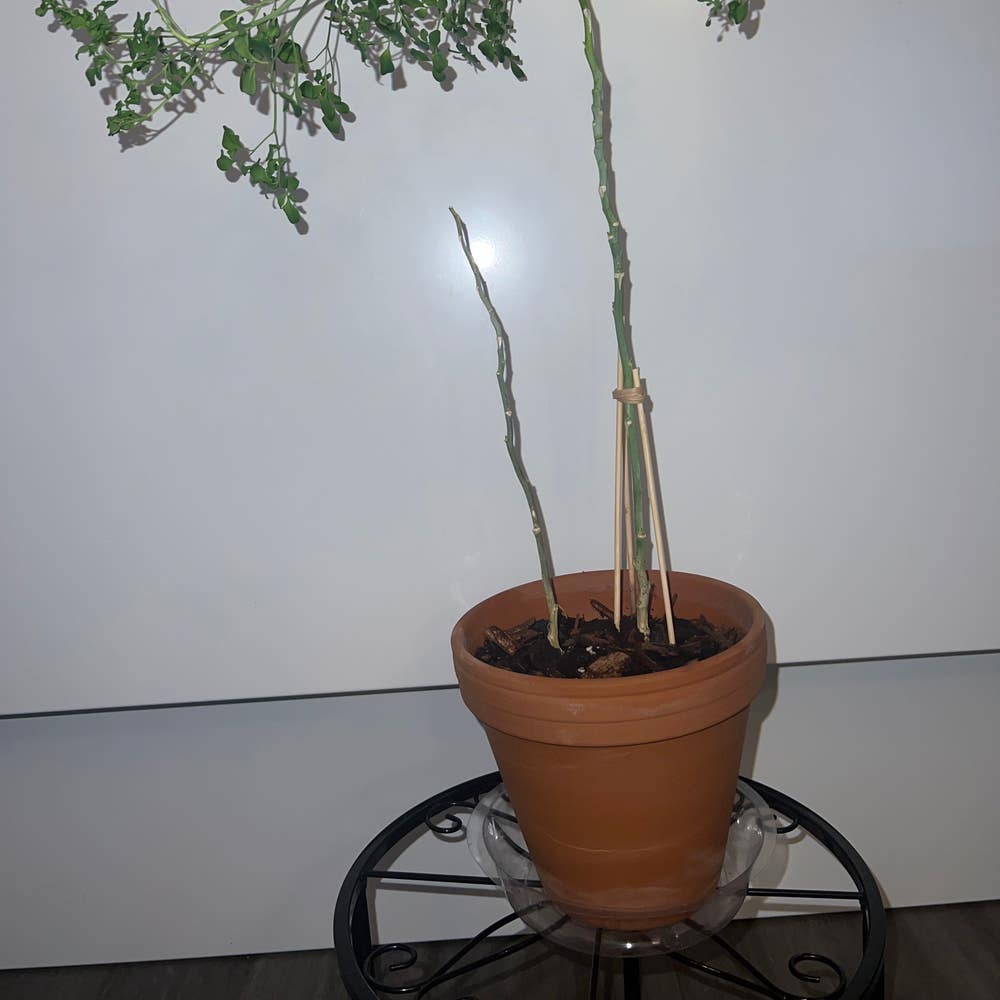
Pruning Common Rue isn't rocket science, but it does require some finesse. Early spring is your window to get snipping, trimming stems back to about 6 inches. This encourages new growth where those fragrant flowers will pop. Remember, timing is everything—prune too late, and you'll be bidding adieu to potential blooms. Alternatively, a post-flowering fall trim can tidy things up.
🌿 Shaping for Success
Shaping this semi-woody perennial is more art than science. Aim for a balanced form that pleases the eye and promotes plant health. Cut above leaf nodes facing the outside of the plant to direct new growth outward, enhancing air circulation. It's like giving your rue a roadmap on where to grow—smart, right?
🌱 Thinning Out
Let's talk about the thinning game. It's not about taking a hatchet to your plant; it's strategic removal. Identify the overachievers—branches that are too dense or crisscrossing—and show them the exit. This isn't a plant massacre; it's about boosting air flow and light penetration, which is like a spa treatment for your rue, encouraging it to thrive and not just survive.

Aftercare Following Pruning
🌱 Post-Pruning Care
After pruning your Common Rue, it's time to switch gears to recovery mode. Bright, indirect light is your plant's best friend at this stage; think of it as a cozy convalescent home for your green buddy. Watering should be judicious—enough to quench its thirst but not so much that it drowns in your love. If you're the type to go the extra mile, a light dose of fertilizer can be the equivalent of a vitamin boost, encouraging those fresh cuts to sprout new life.
👀 Monitoring Growth
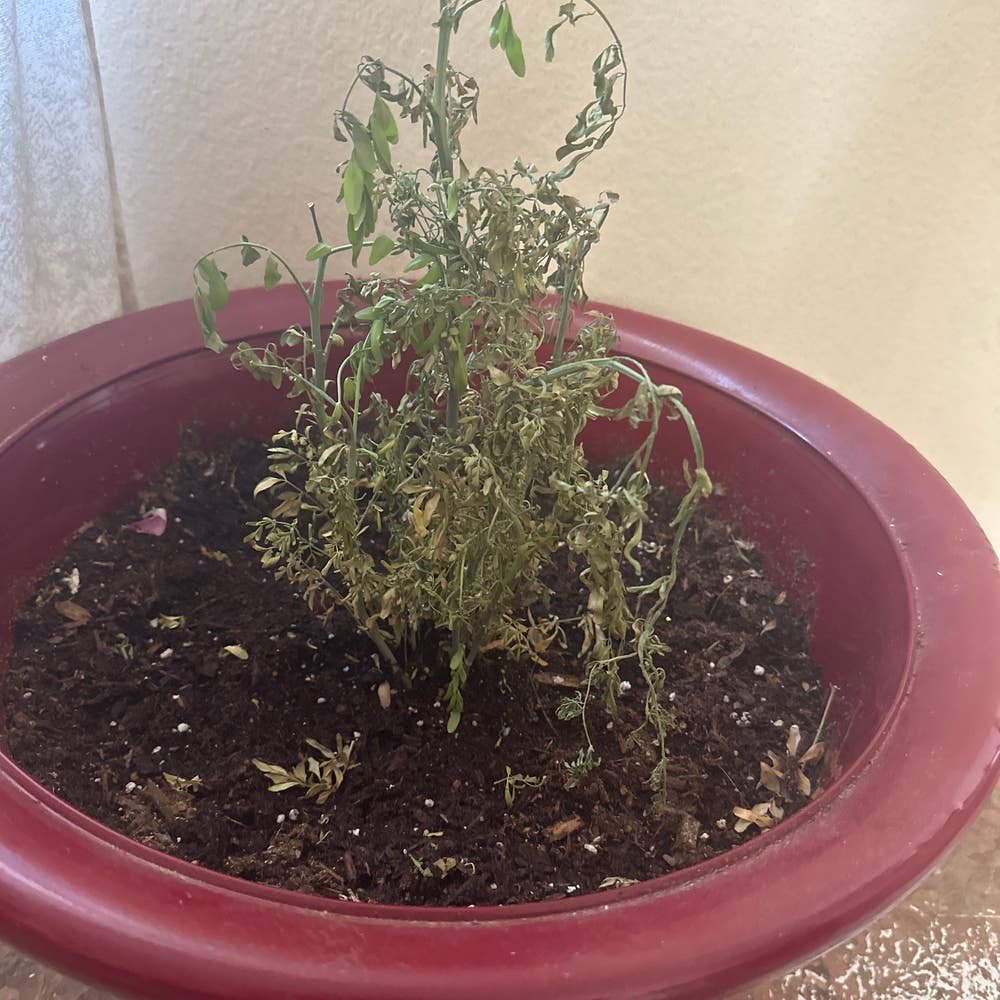
Keep a hawk's eye on your Common Rue post-trim. New growth is the plant's high-five for a job well done. But watch out for the tell-tale signs of a plant in distress: discoloration, wilting, or a general vibe of "I'm not okay." If you spot these SOS signals, act fast—adjust care, whisper some apologies, and maybe offer a peace offering of extra TLC. Remember, in the plant world, the silent treatment often means something's up.
⚠️ Safety First
This content is for general information and may contain errors, omissions, or outdated details. It is not medical, veterinary advice, or an endorsement of therapeutic claims.
Always consult a qualified healthcare professional before using any plant as food, medicine, or supplement.
Never eat any plant (or feed one to pets) without confirming its identity with at least two trusted sources.
If you suspect poisoning, call Poison Control (800) 222-1222, the Pet Poison Helpline (800) 213-6680, or your local emergency service immediately.
Spotted an error? Please report it here.
Trim your Common Rue back to blooming brilliance 🌿 with Greg's precise pruning reminders, ensuring a healthy, sculpted plant come spring.