How Much Humidity Does My Common Rue Need?
Ruta graveolens
By the Greg Editorial Team
Jun 18, 2024•4 min read
This article was created with the help of AI so we can cover more plants for you. May contain errors. See one? Report it here.
Discover the secret to lush Common Rue 🌿 by nailing the ideal humidity levels—no more guesswork!
- Lush growth signals just-right humidity; brown tips or wilting mean too low.
- Hygrometers help measure and maintain ideal humidity for Common Rue.
- Adjust humidity seasonally with humidifiers, dehumidifiers, and ventilation.
Spotting the Signs: When Your Common Rue Tells You It's Humid Enough
🌿 Spotting Happy Common Rue
Visual cues of adequate humidity in Common Rue include lush, vibrant foliage and steady growth. When the humidity is just right, leaves exhibit a healthy sheen without any brown tips or yellowing edges.
Growth patterns indicating the sweet spot for humidity involve new shoots appearing with confidence and existing leaves maintaining their robust texture and deep green color.
⚠️ Warning Signs of Humidity Issues
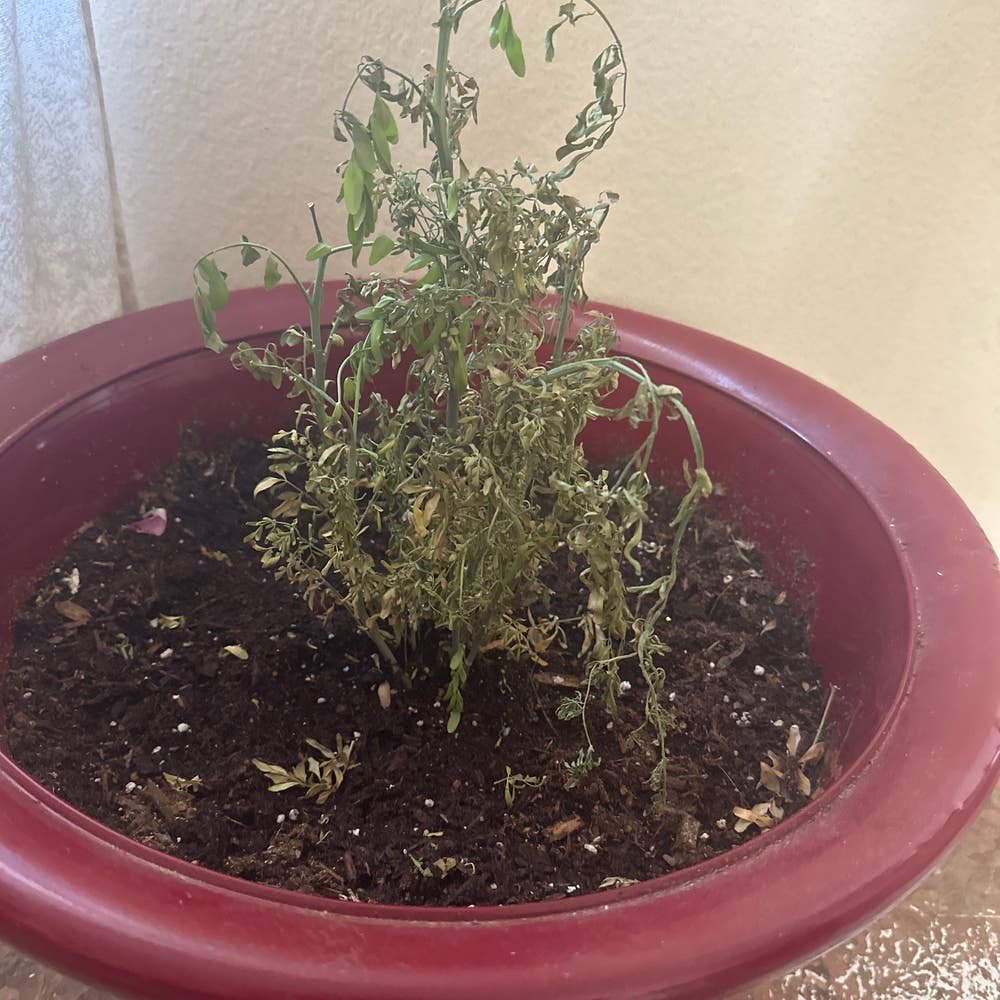
Signs of low humidity stress in Common Rue manifest as leaves with brown edges or tips, wilting, and an overall stunted growth. Leaves may feel dry and brittle to the touch, signaling an urgent need for moisture.
Conversely, symptoms of excessive humidity include leaves that are soft and possibly drooping, with a higher risk of fungal infections. Watch out for any gray mold on leaves or a general sogginess in the plant's appearance.

Measuring Up: Getting the Numbers Right for Your Common Rue
🛠️ Tools of the Trade
To keep your Common Rue in its comfort zone, grab a hygrometer. This gadget is like a weather station for your plant, letting you know if you're hitting the humidity sweet spot. Place it near your plant but away from misleading elements like direct sunlight or drafts. If you're feeling old-school or just want a backup, a moisture meter can also come in handy. It's less about the air and more about the soil, but hey, it's all connected.
🌡️ Understanding Your Local Humidity
When it comes to outdoor Common Rue, you're at the mercy of Mother Nature. But you can still play detective. Assess the outdoor humidity by observing the plant's environment or, if you're tech-savvy, use a local weather app. For indoor plants, it's a different ball game. Your home's humidity can be as unpredictable as a plot twist in a telenovela. Monitor it throughout the day with your trusty hygrometer to get a full picture. Remember, your Common Rue doesn't need a rainforest vibe, just a consistent level of moisture that mimics its Mediterranean roots.

Balancing Act: Adjusting Humidity for Common Rue Perfection
🌴 Up the Ante on Humidity
Humidifiers are your go-to for giving your Common Rue that tropical vibe without the plane ticket. Set it up, and let it work its magic, but keep an eye on the humidity levels—you're aiming for comfortable, not a steam room.
Pebble trays are like the hipster cousin of humidifiers—low-tech but super effective. Just fill a tray with pebbles, add water, and set your plant on top. The water evaporates, upping the humidity ante, while your Rue stays high and dry, avoiding wet feet.
🌬 Bringing Humidity Down a Notch
When your indoor jungle starts resembling a swamp, it's time to let in a breeze. Ventilation is crucial; crack a window or get a fan spinning to keep the air moving. Your Common Rue will thank you for the fresh air without the soggy soil.
Dehumidifiers are the unsung heroes in the battle against mold and mildew. If you're swimming in humidity, let this gadget suck the excess moisture out of the room. Your Common Rue gets the dry Mediterranean climate it craves, and you get to breathe easier—literally.

Seasonal Shifts: Adapting to Changes Throughout the Year
🌞 Summer and Winter Care
Adjusting humidity for extreme seasons is crucial for Common Rue. In summer, this hardy subshrub relishes hot weather but ensure it's not suffocating in high humidity—air circulation is key. Winter demands a different strategy; protect your Common Rue with mulch and reduce watering to match the dormant growth phase.
🍂 Spring and Fall Transitions
Spring soil temperatures signal it's time to plant your Common Rue. As the air warms, gradually increase watering and watch for the plant's cues to adapt to the rising humidity. Come fall, prepare for cooler, drier air. Lessen watering and remember, a little preemptive mulch can go a long way in protecting your plant from early frosts.
⚠️ Safety First
This content is for general information and may contain errors, omissions, or outdated details. It is not medical, veterinary advice, or an endorsement of therapeutic claims.
Always consult a qualified healthcare professional before using any plant as food, medicine, or supplement.
Never eat any plant (or feed one to pets) without confirming its identity with at least two trusted sources.
If you suspect poisoning, call Poison Control (800) 222-1222, the Pet Poison Helpline (800) 213-6680, or your local emergency service immediately.
Spotted an error? Please report it here.
Ensure your Common Rue thrives with the right humidity by using Greg to get customized care alerts 🌱 based on your home's unique conditions.