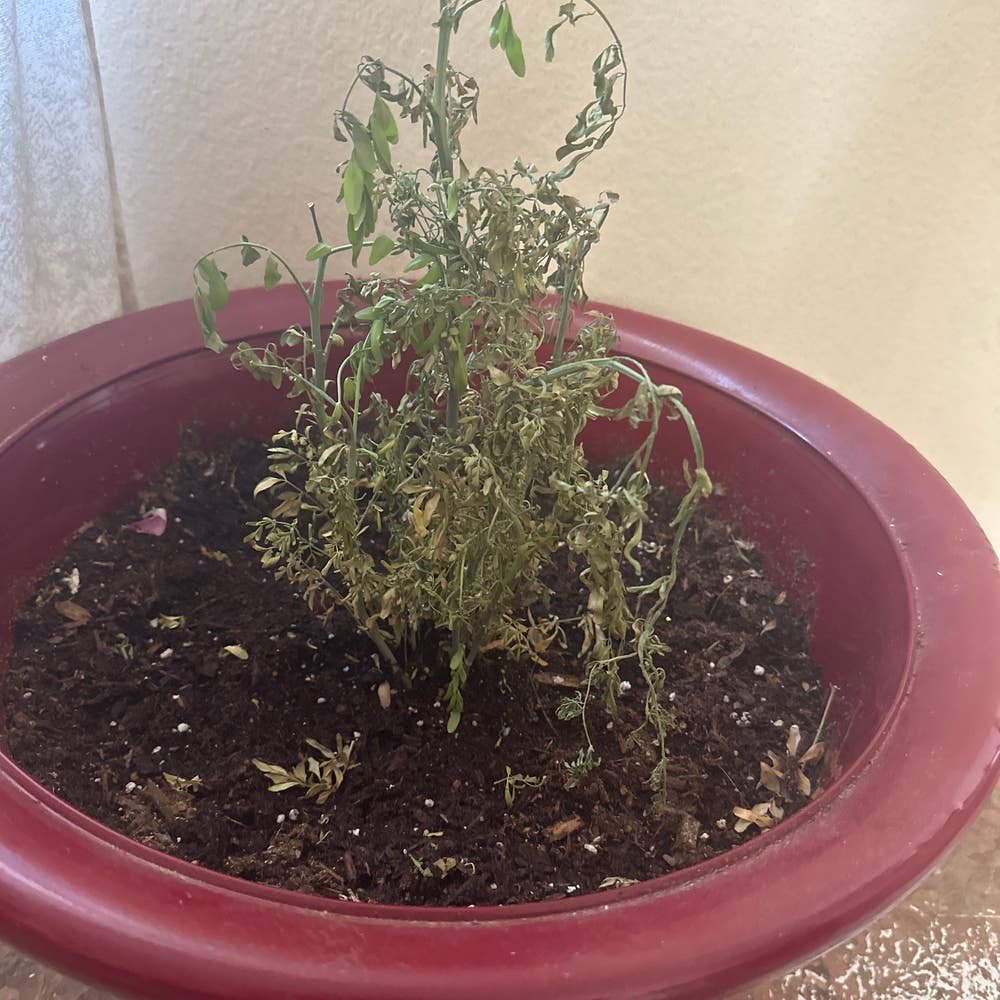
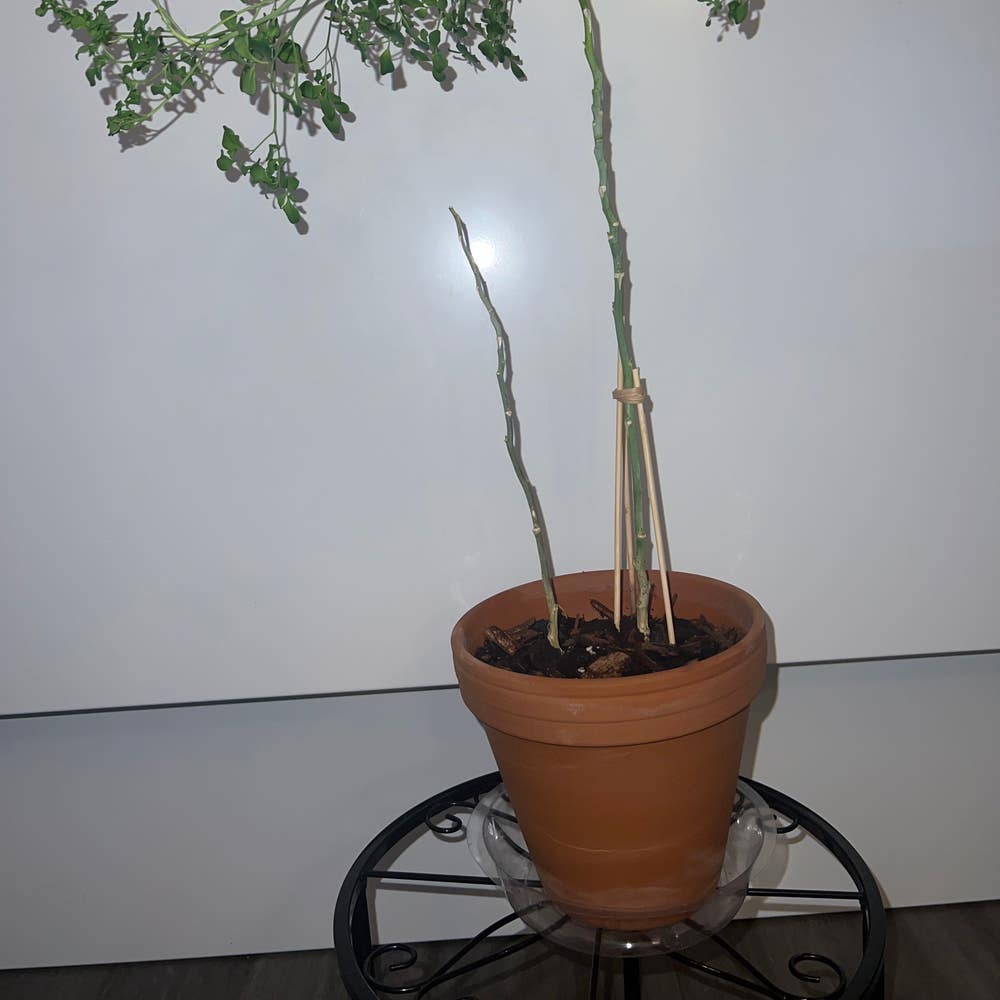
Why Are My Common Rue Leaves Turning Yellow? 💛
Ruta graveolens
By the Greg Editorial Team
Jun 18, 2024•3 min read
This article was created with the help of AI so we can cover more plants for you. May contain errors. See one? Report it here.
Say goodbye to yellow leaves 🍂 and hello to lush Common Rue with these essential care tips!
- Nutrient deficiencies cause yellowing; use balanced, water-soluble fertilizer.
- Water wisely to prevent over/underwatering and root issues.
- Monitor for pests and diseases; treat with safe options like neem oil.
Pinpointing the Culprits Behind Yellow Leaves
💡 Nutrient Shortfalls
Yellowing leaves on your Common Rue might be a cry for help due to nutrient deficiencies. Nitrogen shortage often leaves plants looking pale and wan, while iron deficiency targets the youngest leaves first, leaving them yellow with green veins. Magnesium scarcity can cause older leaves to yellow at the edges.
To revitalize your Common Rue, consider a balanced, water-soluble fertilizer. An even NPK ratio is a good start, but for iron and magnesium issues, look for supplements that cater specifically to these nutrients.
🚰 Water Woes
The balance of watering your Common Rue is a delicate dance. Overwatering can lead to root rot, a common cause of yellowing leaves, while underwatering can leave your plant dehydrated and equally yellow.
To fine-tune your watering routine, ensure the soil dries out between waterings. If the water doesn't drain well, you might need to improve soil composition or container drainage.
🛡️ Unwanted Guests: Pests and Diseases
Pests like aphids and spider mites suck the life out of your Common Rue, turning leaves yellow. Diseases such as root rot or leaf spot also contribute to discoloration, often due to excess moisture or poor air circulation.
Spotting the difference between pest damage and disease is crucial. Pests often leave telltale signs like webbing or a sticky residue, while diseases may present with spots or rotted roots. Keep an eagle eye out and act swiftly to evict these unwanted guests.

First Response: Treating Yellowing Leaves
💊 Adjusting Your Feeding Strategy
Choosing the right fertilizer for your Common Rue is like picking a tailored suit; it needs to fit just right. Go for a balanced mix, and remember, it's a vitamin boost, not a full meal. Apply supplements during the growing season, following the product's instructions to avoid overindulgence.
🚰 Rescuing Overwatered or Underwatered Rue
If you've turned your Rue's soil into a swamp, it's time to drain the excess water. Lift those pots or use gravel to avoid a waterlogged disaster. Conversely, a parched Rue is a sad sight. When the soil feels bone-dry, give it a drink, but don't drown it in your guilt.
🐜 Evicting Pests and Battling Diseases
For those uninvited guests, start with safe treatments like neem oil or insecticidal soap. If they're stubborn, it might be time to consider chemical treatments, but only as a last resort. Remember, with great power comes great responsibility—use it wisely.

Keeping Yellow at Bay: Prevention Tactics
🌞 Cultivation Best Practices
Full sun to part shade and well-drained soil are the sweet spots for Common Rue. It's like a plant's version of a beach vacation—enough sun for a tan but not a burn. Moderate fertility keeps it satisfied without the bloat of overindulgence.
Pruning in early spring is like hitting the reset button; it encourages fresh growth and prevents your garden from turning into a plant jungle. Spacing is crucial—think of it as social distancing for plants. It keeps them healthy and gives them room to breathe.
🛡️ Vigilance and Routine Care
Routine checks are your plant's regular health check-ups. Spot a problem early, and you're the hero; wait too long, and you're on damage control. Cleanliness in the garden is not about being a neat freak; it's about keeping diseases and pests from gatecrashing the party.
Sanitation is as simple as keeping your tools clean and your garden tidy. It's like washing your hands in flu season—basic but powerful. Monitoring is not about being a helicopter plant parent. It's about knowing what's normal so you can spot the red flags when they pop up.

⚠️ Safety First
This content is for general information and may contain errors, omissions, or outdated details. It is not medical, veterinary advice, or an endorsement of therapeutic claims.
Always consult a qualified healthcare professional before using any plant as food, medicine, or supplement.
Never eat any plant (or feed one to pets) without confirming its identity with at least two trusted sources.
If you suspect poisoning, call Poison Control (800) 222-1222, the Pet Poison Helpline (800) 213-6680, or your local emergency service immediately.
Spotted an error? Please report it here.
Combat yellowing leaves on your Common Rue by diagnosing 🕵️♂️ the cause with Greg's PlantVision and get back to green with tailored care plans and community wisdom.