Am I Starving My Common Rue? Fertilizing 101
Ruta graveolens
By the Greg Editorial Team
Jun 18, 2024•4 min read
This article was created with the help of AI so we can cover more plants for you. May contain errors. See one? Report it here.
Discover the secret to flourishing Common Rue blooms 🌼 with our tailored fertilization tips that promise a garden spectacle!
- 🌱 Organic vs. Synthetic: Choose wisely for sustainable blooms.
- 🕒 Sync fertilization with growth stages for robust flowers.
- 🚫 Watch for over-fertilization signs to prevent bloom sabotage.
Choosing the Right Fertilizer for Blooming Common Rue
💡 Organic vs. Synthetic: What's Best for Your Blooms?
Organic fertilizers are like a slow-cooked meal for your Common Rue—nutrient release is gradual, fostering a sustainable bloom. They enrich the soil ecosystem, but patience is key; results aren't immediate. Synthetic options, on the other hand, are akin to a fast-food fix—quick nutrient delivery for a rapid bloom response. However, the risk of overfeeding is higher.
Frequency and quantity are crucial. Organic fertilizers typically require more frequent application due to their lower nutrient concentrations. Synthetics can be applied less often, but with a vigilant eye to avoid nutrient overload.
💡 Slow-Release or Liquid Love?
Slow-release fertilizers are the set-it-and-forget-it choice, steadily feeding your Common Rue over months. They sync well with the plant's blooming cycle, providing consistent nutrition. Liquid fertilizers offer a more immediate uptake, which can be perfect for a mid-season floral boost.
For application, less is more. Start conservatively, especially with synthetics, to prevent root burn. Remember, your Common Rue's vibrant blooms are a testament to your fertilization finesse.

Timing is Everything: When to Feed Your Common Rue
💡 Syncing Fertilization with Growth Stages
Understanding the blooming cycle of Common Rue is crucial for effective fertilization. This perennial herb flourishes when fed at the right moments in its life. Spring is when you should start your fertilization regime, as new growth emerges and requires a nutrient boost. During the summer, when Common Rue is in full bloom, maintaining a consistent feeding schedule supports robust flowers.
💡 Seasonal Fertilization Schedule for Robust Flowers
To ensure your Common Rue doesn't miss a beat:
- Early Spring: Begin with a balanced fertilizer as growth starts.
- Mid-Spring to Summer: Continue with regular feeding, tapering off as the end of the blooming season approaches.
- Fall to Winter: Ease off completely, allowing the plant to rest.
💡 Application Techniques for Top-Notch Nutrition
When it comes to soil drenching vs. foliar feeding, consider the immediate needs of your Common Rue. Soil drenching provides a deep, thorough nutrient uptake, ideal for the initial growth stages. Foliar feeding, on the other hand, offers a quick nutrient fix, best for mid-season when your plant is actively blooming.
- Soil Drenching: Apply liquid fertilizer directly to the soil at the base of the plant.
- Foliar Feeding: Spray a diluted solution onto the leaves during peak blooming for a fast nutrient boost.

Recognizing and Resolving Over-Fertilization Fiascos
🚨 Spotting the Tell-Tale Signs
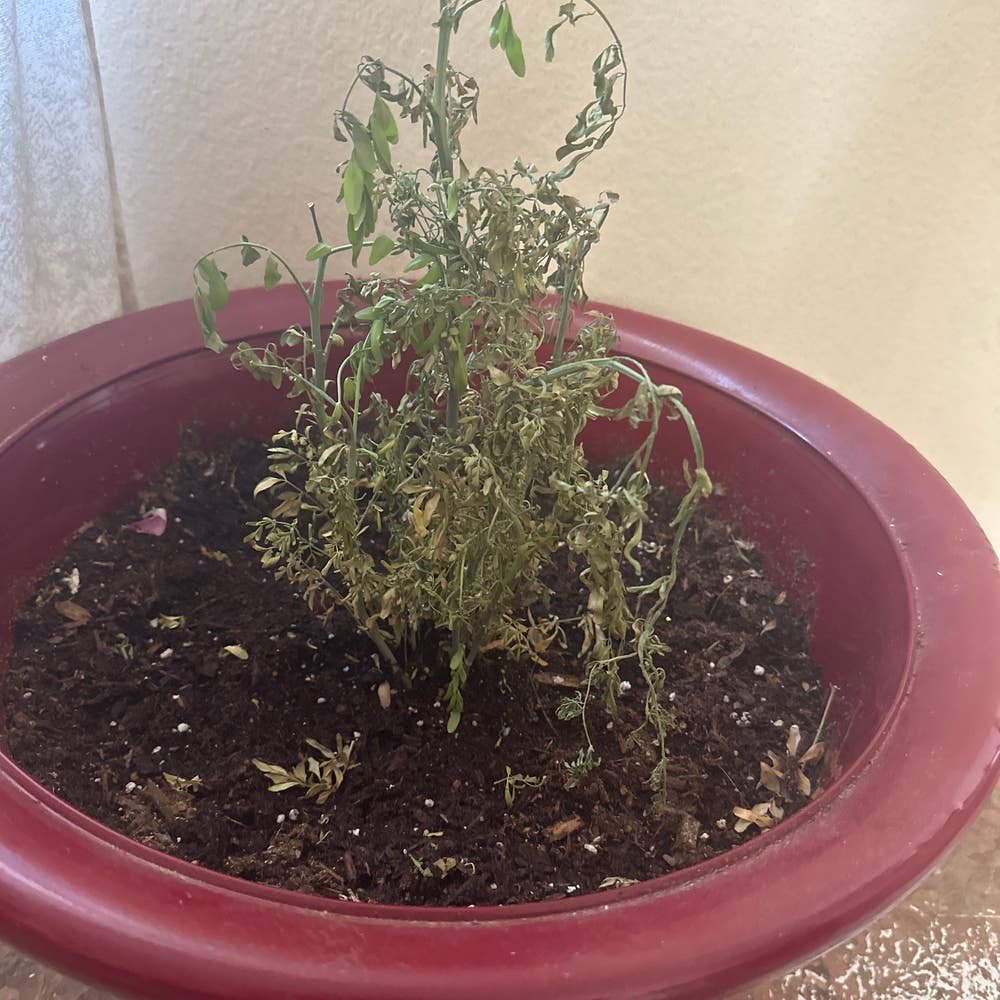
White crust on the soil surface is a dead giveaway of mineral buildup. If your Common Rue's leaves are spotting or yellowing, or if growth is stunted, you might be dealing with over-fertilization. These symptoms can mimic other issues, but if they appear shortly after fertilizing, you're likely looking at nutrient overload.
🛠️ The Recovery Roadmap
Caught in the act of over-fertilizing? Don't panic. First, remove any visible fertilizer. Then, it's time for a soil flush—water thoroughly to rinse away excess nutrients, repeating every few days. Trimming damaged foliage can help your plant bounce back. For potted Rue, consider a soil swap—either replace the top layer or repot entirely. Hold off on the fertilizer for a month to let your plant recover and recalibrate.

Container Cultivation: Fertilizing Common Rue in Pots
🌱 Adjusting Your Approach for Potted Plants
Container gardening presents unique challenges for Common Rue. Nutrient leaching is a real concern, as essential food for your plants can wash away with each watering. To combat this, you'll need to be more vigilant with your fertilizing schedule compared to in-ground plants.
Root confinement is another issue. In pots, roots can't spread out to search for nutrients, so it's up to you to ensure they're well-fed. However, remember that Common Rue can be a bit of a diva; too much attention, particularly with fertilizer, and it'll throw a foliage fit at the expense of blooms.
🌼 Tailoring Fertilization to Encourage Container Blooms
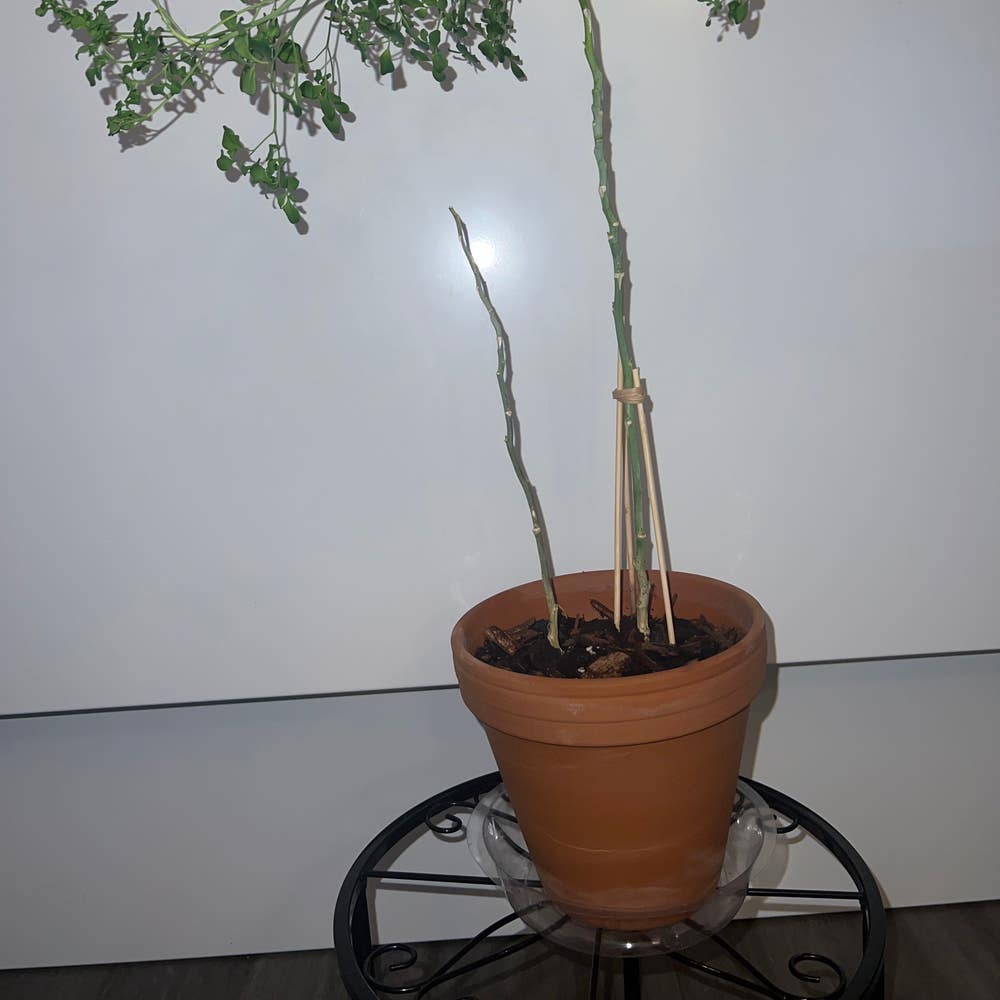
When it comes to fertilization, less is more for potted Common Rue. Avoid overfeeding—a light hand will encourage those coveted flowers over excessive leaf growth. Opt for a well-draining potting mix and consider a pot that breathes, like unglazed clay, to prevent over-saturation and root rot.
For fertilization, think of it as a seasoning rather than a main ingredient. A balanced, water-soluble fertilizer can be used sparingly during the growing season. And always, always make sure your pot has adequate drainage holes to avoid soggy soil conditions that can lead to root issues.
⚠️ Safety First
This content is for general information and may contain errors, omissions, or outdated details. It is not medical, veterinary advice, or an endorsement of therapeutic claims.
Always consult a qualified healthcare professional before using any plant as food, medicine, or supplement.
Never eat any plant (or feed one to pets) without confirming its identity with at least two trusted sources.
If you suspect poisoning, call Poison Control (800) 222-1222, the Pet Poison Helpline (800) 213-6680, or your local emergency service immediately.
Spotted an error? Please report it here.
With Greg, you can perfectly tailor 🌿 your Common Rue's feeding schedule to avoid under or over-fertilization, ensuring your blooms are always vibrant and healthy.