Should I Repot My Common Rue?
Ruta graveolens
By the Greg Editorial Team
Jun 18, 2024•6 min read
This article was created with the help of AI so we can cover more plants for you. May contain errors. See one? Report it here.
Boost your Common Rue's vigor 🌿 by mastering the timely art of repotting for thriving growth!
- Roots peeking out? Time to repot your Common Rue.
- Choose a 2-inch wider pot and a well-draining soil mix.
- Terracotta, plastic, or ceramic? Each has unique pros and cons.
Spotting the Telltale Signs It's Time for a Change
🌱 Roots on the Run: Identifying a Root-Bound Common Rue
Roots peeking out of the drainage holes? That's your Common Rue crying out for a new zip code. If you spot a tangle of roots circling the bottom of the pot, it's a clear sign your plant is root-bound. Cramped roots can't absorb nutrients effectively, which leads to a host of other issues.
🚨 Thirsty Roots, Slow Growth: How to Tell When Your Common Rue is Cramped
Is your Common Rue's soil drying out faster than a comedian's wit? That's a red flag. Slow growth is another SOS signal—if your plant's growth has hit a plateau, it's likely begging for more space. Don't wait for your Common Rue to send you a formal eviction notice; these signs mean it's time to repot.

The Great Move: Repotting Your Common Rue
🌱 Prepping the Stage: Choosing the Right Pot Size and Cleaning It Up
Size matters when it comes to pots. Select one that's about 2 inches wider than the current home of your Common Rue. This ensures room for growth without drowning the roots in too much space. Cleanliness is next to godliness, so give that new pot a good scrub to prevent any unwelcome guests.
🕵️ Root Rendezvous: Safely Extracting Common Rue and Checking Its Roots
Time for the big reveal. Tilt the pot and coax your Common Rue out gently. Inspect the roots for signs of congestion and health. If they're circling the pot like a track athlete, it's definitely time they had a new stadium to stretch out in.
🌿 The Perfect Soil Mix for a Happy Common Rue
🌱 Mixing It Right: Crafting a Well-Draining Soil Paradise
A well-draining soil mix is like a comfy bed for your plant's roots. Combine equal parts of potting soil, coarse sand, and peat for a soil mix that drains well yet retains enough moisture. Rue loves it airy, so don't skimp on the sand.
🌱 Aeration and Nutrition: Ensuring Your Common Rue's Roots Can Breathe and Feast
Your Common Rue's roots need to breathe and eat just like you do. Make sure the soil is loose enough for air flow and rich in organic matter to keep the nutrients coming. A sprinkle of bone meal can give your plant the equivalent of a gourmet meal.
🌿 Transplanting with TLC
🌱 Gentle Embrace: Loosening the Root Ball Without the Tears
Approach the root ball with a tender touch. Gently tease the roots apart to encourage them to explore their new digs. Think of it as a root pep talk—you're convincing them that the move is for their own good.
🌱 Settling In: Backfilling and Watering Techniques to Ease the Transition
Place your Common Rue in the center of the pot and backfill with your premium soil mix. Water it just enough to settle the soil around the roots, like tucking in a child at bedtime. Watering should be thorough but not overdone—think of it as a soothing bath, not a flood.

Picking the Perfect Pot
💨 Breathability and Style: Matching Common Rue with the Right Pot Material
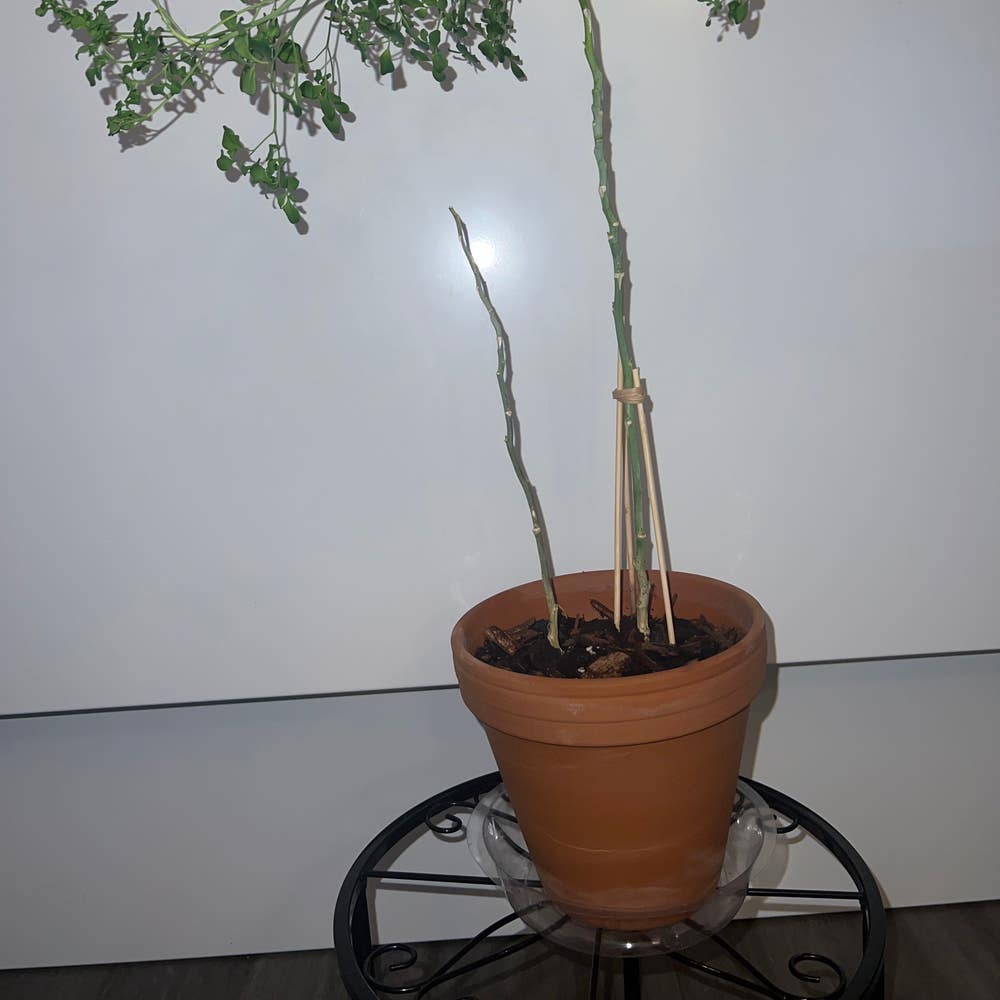
Terracotta is the traditionalist's choice, championing breathability and a classic look. It's porous, letting air and water flow freely, which means less chance of overwatering your Common Rue. But remember, it's like a sponge, so you'll be watering more often.
Plastic pots are the rebels of the pot world—lightweight, colorful, and often cheaper. They retain moisture longer, which can be a double-edged sword. Great for those who forget to water, not so much for the overzealous waterer.
Ceramic pots are the middle ground, often glazed and less porous than terracotta, yet still offering some breathability. They come in a myriad of designs, so if you want your Common Rue to live in style, this might be your pick.
🏋️♂️ Terracotta vs. Plastic vs. Ceramic: Weighing the Pros and Cons for Your Green Buddy
Terracotta is the cool kid, helping to regulate soil temperature and moisture. But it's heavy and can break your back if you're a frequent mover.
Plastic is the laid-back friend, easy to handle and move around. However, it can get a bit clingy with water, which might not sit well with your Common Rue's roots.
Ceramic is the artsy one, offering a balance of function and beauty. It's less likely to dry out than terracotta but can be just as heavy.
❌ When Pots Go Wrong
The No-Nos: Why Metal and Glass Might Break Your Common Rue's Heart
Metal pots? Think twice. They can get scorching hot or freezing cold, stressing your plant out with their mood swings.
Glass pots are like that attractive but impractical person you dated once—good looking but high maintenance. They lack breathability and often come without drainage holes, setting the stage for a root rot tragedy.

The First Days in New Digs: Aftercare
💧 The Recovery Room: Watering and Light Tips
Consistency is your Common Rue's new best friend. Post-repotting, it's craving a stable environment—think steady light and temperature, with a strict no-draft policy. It's like the plant version of a spa retreat, minus the fluffy robes and ambient music.
💦 Watering Wisdom
When it comes to hydration, think Goldilocks—not too much, not too little. Moderation is key. Overwatering is the fast track to soggy soil and root rot, while underwatering could leave your plant gasping. Aim for that sweet spot where the soil feels like a wrung-out sponge—moist but not drenched.
👀 Watchful Eyes: Spotting Stress Signals
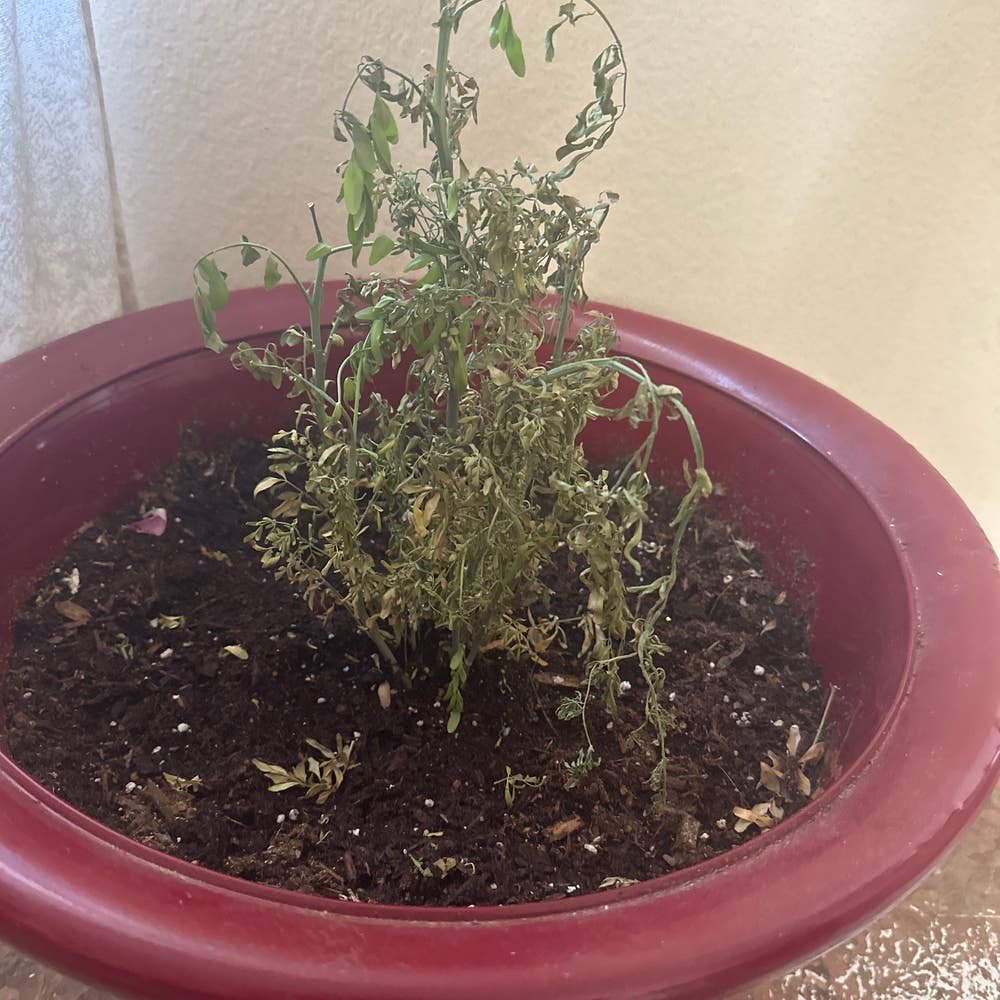
Keep a hawk-eye on your Common Rue for signs of stress or recovery. New growth? That's a high-five from your plant. But if you spot yellowing leaves or a droopy demeanor, it's time to play plant detective and tweak your care routine. Remember, it's not being dramatic; it's just trying to tell you something.
📊 Monitoring and Adjustment
Regular check-ins are non-negotiable. If you notice any distress signals, reassess your care strategy. It's not about being a helicopter plant parent; it's about providing the right support at the right time. And don't rush with the fertilizer—your Common Rue is focusing on healing, not bulking up. Give it a month before you bring out the nutrient-rich pep talks.
⚠️ Safety First
This content is for general information and may contain errors, omissions, or outdated details. It is not medical, veterinary advice, or an endorsement of therapeutic claims.
Always consult a qualified healthcare professional before using any plant as food, medicine, or supplement.
Never eat any plant (or feed one to pets) without confirming its identity with at least two trusted sources.
If you suspect poisoning, call Poison Control (800) 222-1222, the Pet Poison Helpline (800) 213-6680, or your local emergency service immediately.
Spotted an error? Please report it here.
Ensure your Common Rue thrives in its new home with Greg's reminders 🌱, guiding you through the perfect repotting time and technique.