Propagating My Common Rue: Step-by-Step Guide
Ruta graveolens
By the Greg Editorial Team
Jun 18, 2024•6 min read
This article was created with the help of AI so we can cover more plants for you. May contain errors. See one? Report it here.
Propagate your Common Rue with ease and watch your garden flourish using this step-by-step guide! 🌿✂️
- Harvest seeds carefully, use gloves to avoid skin irritation from Rue sap.
- Stem cuttings thrive in soil with rooting hormone and proper temperature control.
- Divide in spring or fall, ensuring hydrated plants and clean division cuts.
Sowing the Future: Propagating from Seeds
👩🌾 Collecting Your Bounty
Harvesting seeds from your Common Rue is a straightforward affair. Wait for the flowers to fade and the brown seed capsules to mature. Then, carefully collect these capsules to unleash the potential of new plants. Remember, gloves are your friends here; Rue's sap can be irritating to the skin.
From Seed to Seedling
To turn tiny seeds into thriving seedlings, soil preparation is crucial. Opt for a seed-starting mix that's light and drains well. Moisture and warmth are your seeds' best allies, so keep the soil consistently damp and in a warm spot. Patience is a virtue—germination can take time, but the wait is a small price for the joy of new growth. Once they sprout, ensure they don't dry out, and give them plenty of light, but not direct sun, to avoid scorching the tender seedlings.

Snip & Grow: Propagating from Stem Cuttings
🌱 Choosing Your Champions
Selecting the right stem is like picking your team for dodgeball—you want the strong ones. Look for vibrant, healthy growth, about 4-6 inches long. Ensure there are a few leaf nodes because that's where your new roots will cheer from the sidelines. Use sterilized shears for a clean cut below a node; think of it as a precise surgical incision.
🌿 Rooting for Success
Rooting hormone is your stem's personal coach, not mandatory but highly recommended. Dip the cut end into it before planting to kickstart root growth. Now, the soil versus water debate is real. Water is like training wheels—it's transparent, so you can witness root development. But soil? It's the real game, providing a more natural environment for your cutting to acclimate. Keep the soil moist and wait for the roots to do their victory dance.

Multiply Your Rue: Propagating by Division
🍂 When to Divide and Conquer
Spring or fall are your prime times for division. This aligns with the plant's natural growth cycle, giving it time to establish before the stress of extreme weather. Avoid the flowering period to prevent stressing the plant.
🎨 The Art of Division
🚿 Step 1: Prep Work
Water your Common Rue thoroughly a day before division. This ensures the plant is hydrated and the soil is workable.
🌱 Step 2: Uproot with Care
Gently dig around the base of your plant, maintaining a safe distance to avoid root damage. Lift the plant out of the soil with a firm but gentle grip.
🔍 Step 3: Identify Division Points
Look for natural separations where the plant can be divided into smaller sections. Each section should have its own roots and shoots.
✂️ Step 4: Make the Cut
Using a sharp, clean knife or spade, slice through the root ball to separate the divisions. Aim for clean cuts to promote quick healing.
🌱 Step 5: Plant Anew
Replant your divisions at the same soil depth they were previously. Space them out to give each plant enough room to flourish.
💧 Step 6: Aftercare
Water the new plants well and keep the soil moist until they're established. A little extra TLC goes a long way in helping your new Rue thrive.

Keeping It Cozy: Ideal Conditions for Propagation
🌱 The Perfect Propagation Pad
Creating the right environment for your propagates is like setting the stage for a stellar performance. Temperature is the headliner here; aim for a cozy 68-77º F range to keep those cuttings content. Too chilly and they'll throw a tantrum; too toasty and they'll wilt faster than a stand-up comic's career after a bad set.
Consistency is your backstage tech, keeping the show running smoothly. Drafts are the notorious show-stoppers, so keep them out. If your space feels more like a tundra than a tropical retreat, consider a heat mat—just don't forget the thermostat. It's the difference between a standing ovation and a cuttings catastrophe.
💧 Water Wisdom
Now, let's talk hydration—because even cuttings get thirsty. The goal is to keep the soil as damp as a wrung-out sponge, not a drowned rat. Before you go pouring your heart out, do the finger-test; if the soil sticks to your digit, hold off on the waterworks.
Humidity is the unsung hero, with 85% relative humidity hitting the high notes for your cuttings. If your air's drier than a comedian's punchline, bring in the big guns—a humidifier or a misting system. It's like creating a mini rainforest on your windowsill, minus the monkeys.
When Things Go Awry: Solving Propagation Problems
🐛 Common Culprits
Identifying and fixing issues unique to Common Rue propagation.
🌊 Root Rot: The Silent Assassin
Root rot is the propagation party pooper. If your Common Rue's roots look like they've taken a swim in the bog of eternal stench, you've got a problem. Overwatering is the usual suspect, so tell your watering can to chill out.
🐜 Pests: Uninvited Guests
Caterpillars munching on your Rue? They're probably future swallowtails, so let them be. If other pests crash the scene, show them the door with insecticidal soap or neem oil. Remember, a healthy plant is like a fortress; it's harder to breach.
🌡️ The Environment: Setting the Stage
Your Rue cuttings need a Goldilocks zone—not too hot, not too cold. Keep the humidity just right, and make sure there's a drainage hole to avoid water buildup. It's like giving excess water an escape route during a flood.
⏰ Timing: The Clock is Ticking
Timing is everything. Early spring is your cue to start, giving your Rue the whole season to show off. And keep those tools sharp; a clean cut is like a clean break-up, less messy and quicker to heal.
🍂 Yellow Leaves and Wilting: Signs of Distress
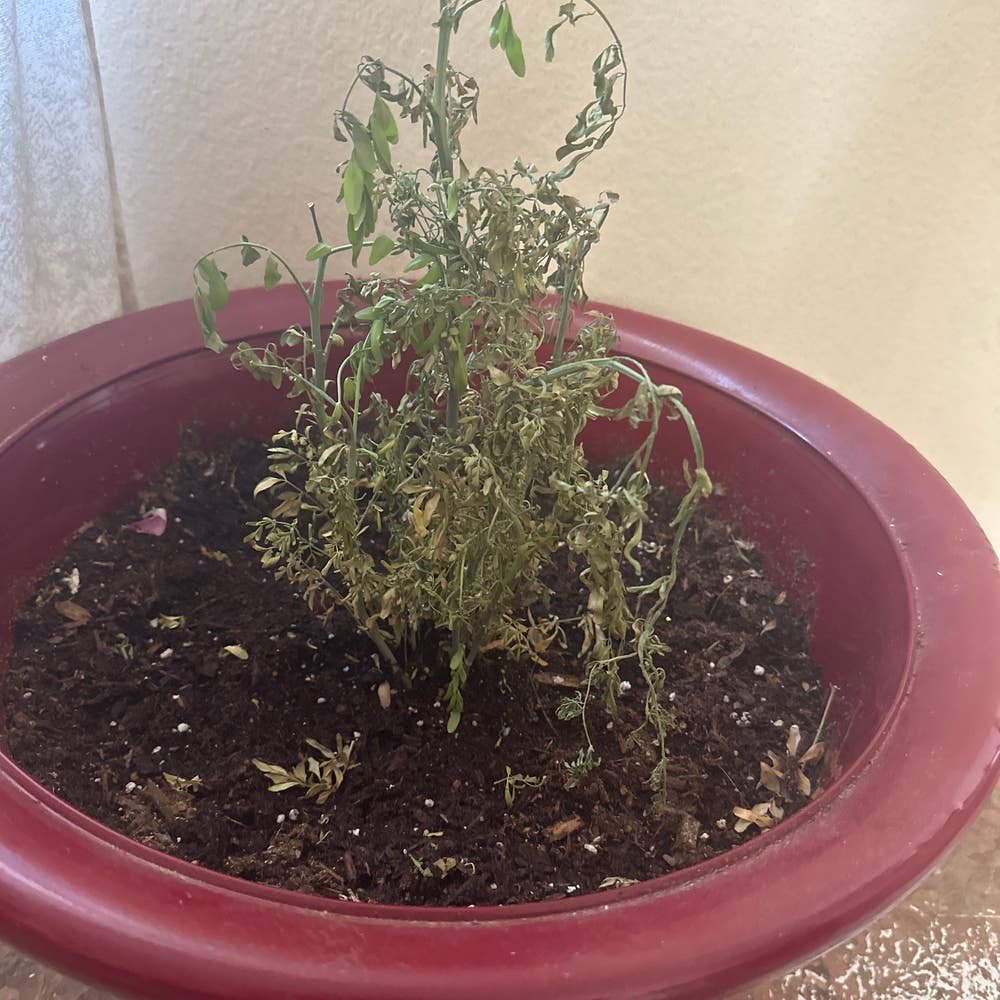
Yellow leaves might signal too much water or an insect rave. Check for gatecrashers and adjust your watering. Wilting? Might be too cold. Move your cuttings to a warmer spot, like relocating from the fridge to a cozy countertop.
👀 Vigilance: The Watchful Eye
Keep an eye on your propagations like a hawk. If they're looking sadder than a dropped ice cream cone, reassess moisture and light. Adjust, and remember, plants need time to settle, just like you need time to get used to a new haircut.
⚠️ Safety First
This content is for general information and may contain errors, omissions, or outdated details. It is not medical, veterinary advice, or an endorsement of therapeutic claims.
Always consult a qualified healthcare professional before using any plant as food, medicine, or supplement.
Never eat any plant (or feed one to pets) without confirming its identity with at least two trusted sources.
If you suspect poisoning, call Poison Control (800) 222-1222, the Pet Poison Helpline (800) 213-6680, or your local emergency service immediately.
Spotted an error? Please report it here.
Propagate your Common Rue seamlessly 🌱 with Greg's custom reminders for watering, dividing, and nurturing your plants for robust growth!