🌳 All About Your Common Rue's Roots
Ruta graveolens
By the Greg Editorial Team
Sep 30, 2024•7 min read
This article was created with the help of AI so we can cover more plants for you. May contain errors. See one? Report it here.
Master common rue's root systems 🌱 for thriving plants and unbeatable resilience in your garden!
- 🌱 Common rue's roots provide stability and moisture access, thriving in dry conditions.
- 💧 Weekly watering and well-draining soil prevent root rot and promote healthy growth.
- ✂️ Transplant in spring or fall to minimize stress and support robust root development.
Type of Root System
🌱 Taproot Characteristics
The common rue features a robust taproot system that digs deep into the soil. This deep anchorage allows the plant to access moisture from lower soil layers, providing essential stability and support.
🌾 Fibrous Roots
In addition to its taproot, common rue develops fibrous roots that spread widely near the surface. These roots are crucial for nutrient absorption and moisture retention, ensuring the plant thrives in various conditions.
Understanding these root systems is vital for effective care and maintenance. Next, we'll explore the depth and spread of these roots, revealing how they contribute to the plant's overall health.
Root Depth and Spread
Typical Root Depth 🌱
The common rue features a robust taproot that typically reaches depths of 12 to 24 inches (30 to 60 cm). This deep anchoring allows the plant to access moisture from deeper soil layers, making it resilient during dry spells.
Root Spread 🌍
In addition to its depth, the root system can spread horizontally, extending up to 3 feet (90 cm) or more. This expansive growth pattern is particularly pronounced in well-draining soil, where roots thrive and adapt to varying conditions.
Growth Patterns 📈
Roots grow rapidly when conditions are favorable, enhancing the plant's overall resilience. Their adaptability to different soil types ensures that the common rue can flourish in a variety of environments, making it a versatile choice for gardeners.
Understanding the root depth and spread is crucial for effective care practices. This knowledge will guide you in providing the right conditions for your common rue, ensuring it remains healthy and vibrant.
Care Practices Influenced by Roots
💧 Watering Techniques for Optimal Root Health
Watering your Common Rue is crucial for maintaining healthy roots. Aim to water once a week, allowing the soil to dry out between sessions to promote strong root growth.
Avoid waterlogged conditions, as they can lead to root rot, a common issue that can jeopardize your plant's health.
🌱 Fertilizing Strategies Tailored to Root System
Fertilization plays a vital role in supporting your plant's root system. A schedule of every 4-6 weeks during the growing season is ideal for optimal nutrient uptake.
Use balanced NPK fertilizers to ensure your roots receive the essential nutrients they need for robust development.
🌍 Transplanting Considerations Based on Root Structure
Transplanting is an important practice that can significantly affect root health. The best times to transplant your Common Rue are early spring or fall, when the plant is less stressed.
When transplanting, minimize root disturbance and ensure adequate spacing to accommodate the roots' natural spread. This will help your plant thrive in its new environment.
As you care for your Common Rue, understanding these practices will enhance its growth and resilience. Next, let’s explore common root-related issues that may arise and how to tackle them effectively.
Common Root-Related Issues
Identifying Root Rot and Other Diseases 🌱
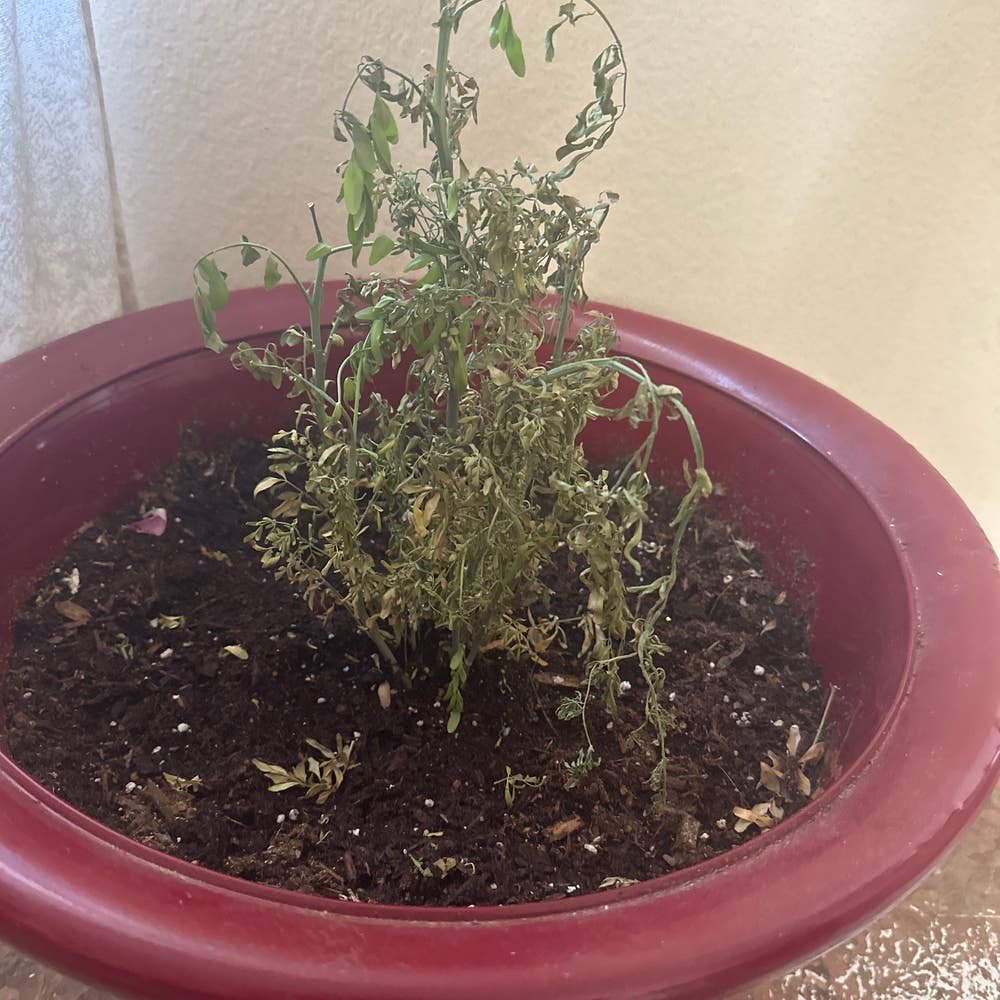
Root rot can be a sneaky problem for your common rue. Watch for symptoms like wilting, yellowing leaves, and a foul odor emanating from the soil.
Other root-related diseases can also affect your plant. Fungal infections and nematodes are common culprits that can compromise root health.
Solutions for Preventing Root-Related Problems 🛠️
Preventive measures are your first line of defense. Always use well-draining soil to keep roots healthy and monitor your watering practices to avoid overwatering.
If you do encounter issues, there are effective treatment options available. Remove affected roots and repot the plant in fresh soil, and consider applying fungicides if necessary to combat fungal infections.
By staying vigilant and proactive, you can ensure your common rue thrives despite potential root-related challenges. Next, let’s explore how to assess the health of your plant’s roots.
Indicators of Root Health
🌱 Visual Cues for Healthy Roots
Healthy roots are a gardener's best friend. Look for roots that are firm, with a white or light tan color, indicating vitality and strength.
A well-developed root structure should spread evenly throughout the soil. This ensures the plant can absorb nutrients and water effectively.
🚨 Signs of Unhealthy Roots and Corrective Actions
Unhealthy roots can spell trouble for your plant. Signs include a dark, mushy texture and a foul smell, which often indicate decay.
To remedy this, trim away any dead or rotting roots. After that, repot the plant in fresh, well-draining soil to give it a new lease on life.
Understanding these indicators helps you maintain a thriving plant. With proper care, your common rue can flourish and continue to bring beauty to your space.
Stress Factors and Resilience
🌱 Role of Roots in Plant Health and Resilience
Roots are the unsung heroes of plant health. They provide stability and access to essential nutrients and water, forming the backbone of a thriving plant.
A strong root system is crucial for resilience. It enhances the plant's ability to withstand various stressors, from environmental changes to pest invasions.
💧 How Roots Help Withstand Drought, Pests, and Diseases
Drought resilience is one of the remarkable features of a well-developed root system. A deep taproot allows the plant to access moisture hidden deep in the soil during dry spells.
Healthy roots also play a vital role in pest and disease resistance. When roots are robust, they support overall plant vigor, making it harder for pests and diseases to take hold.
Understanding the importance of roots can transform how you care for your plants. By nurturing their root systems, you empower them to thrive even in challenging conditions.
Next, let’s explore how to recognize and address rootbound plants, ensuring they continue to flourish.
Rootbound Plants
Definition and Recognition of Rootbound Conditions 🌱
Rootbound plants are those whose roots grow in tight circles within their pots, which can severely limit their growth. You can spot a rootbound plant by looking for signs like stunted growth, yellowing leaves, and roots that are visible through the drainage holes.
When and How to Address Rootbound Issues 🔧
It's crucial to intervene as soon as you notice these signs. The best solution is to repot the plant into a larger container, giving it more room to thrive.
- Gently loosen and trim any circling roots before repotting to encourage healthy growth.
- Ensure the new pot has adequate drainage to prevent future issues.
By taking these steps, you can help your plant regain its vigor and continue to flourish. Now that we've covered rootbound conditions, let's explore how to propagate and divide your plants effectively.
Propagation and Division
🌱 Importance of Root Health in Propagation
Healthy roots are the backbone of successful propagation and division. They ensure that new plants establish quickly and thrive in their new environments.
✂️ Techniques for Dividing Effectively
Timing is key when it comes to division. Early spring is the best time to divide your common rue, as the plant is just waking up from dormancy.
Steps for Division
- Water the plant thoroughly before division to reduce stress.
- Carefully remove the plant from its pot, taking care not to damage the roots.
- Use a clean, sharp knife to divide the root ball into sections, ensuring each section has healthy roots.
- Replant sections immediately in well-draining soil to promote quick recovery.
By following these steps, you can ensure that your common rue not only survives but thrives after division. This process not only rejuvenates the plant but also allows you to expand your garden with new, healthy specimens.
Next, we’ll explore how to identify and address root-related issues that can impact your plant's health.
⚠️ Safety First
This content is for general information and may contain errors, omissions, or outdated details. It is not medical, veterinary advice, or an endorsement of therapeutic claims.
Always consult a qualified healthcare professional before using any plant as food, medicine, or supplement.
Never eat any plant (or feed one to pets) without confirming its identity with at least two trusted sources.
If you suspect poisoning, call Poison Control (800) 222-1222, the Pet Poison Helpline (800) 213-6680, or your local emergency service immediately.
Spotted an error? Please report it here.
Unlock your common rue's potential with strong roots 🌱 by using Greg's tailored watering and fertilizing reminders to keep your plant thriving in any environment!