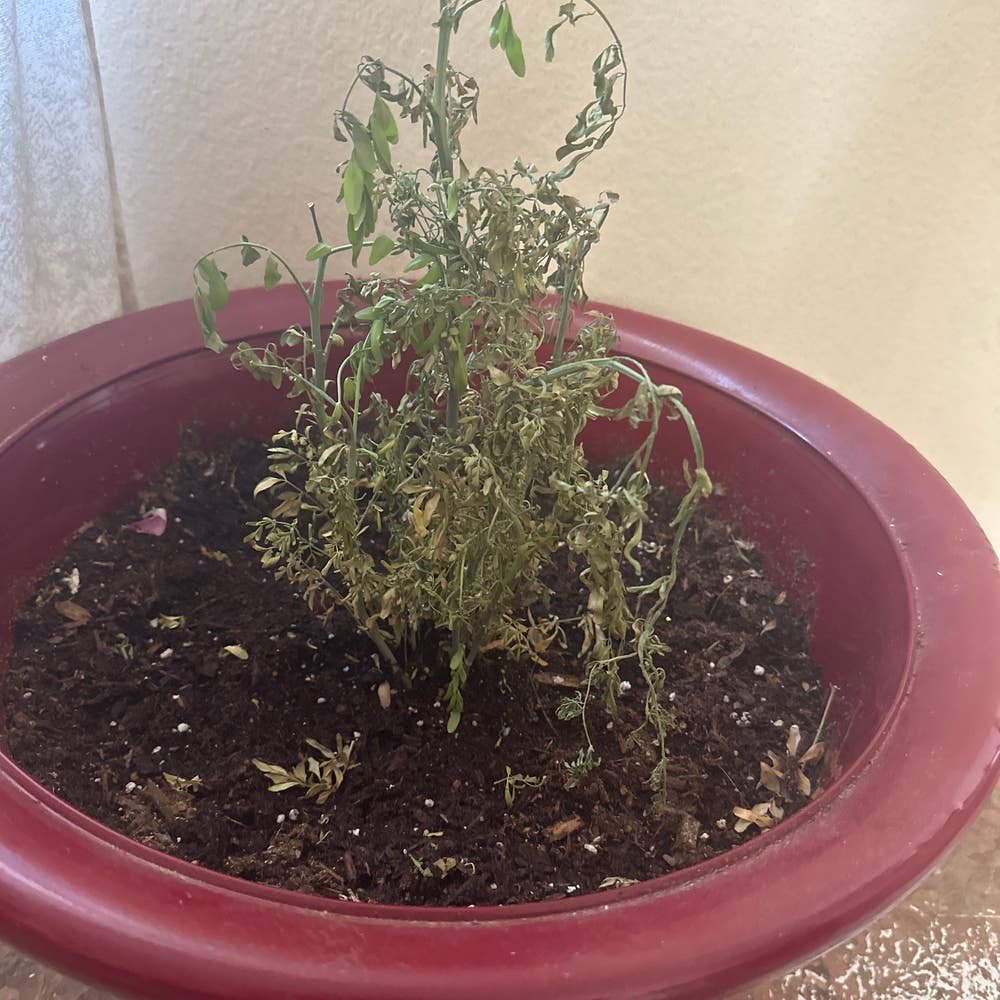
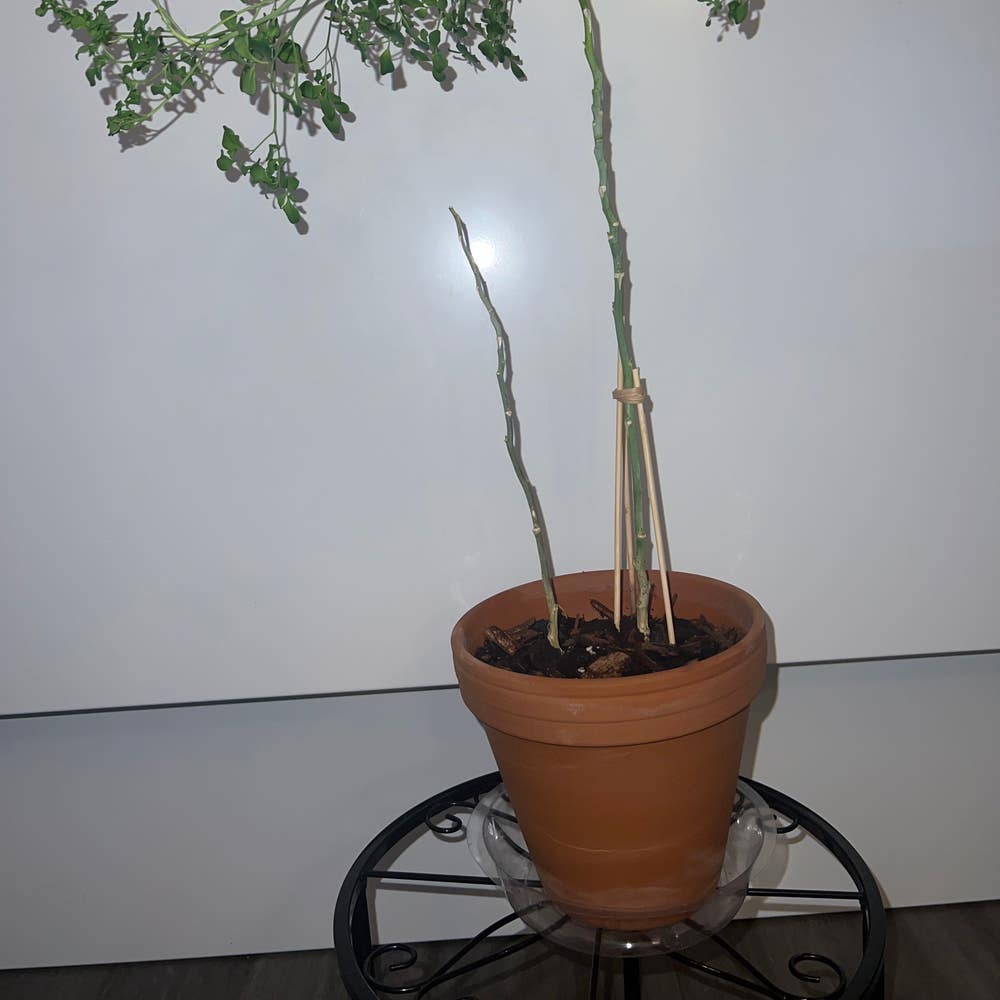
Why Are My Common Rue Leaves Curling?
Ruta graveolens
By the Greg Editorial Team
Jun 18, 2024•4 min read
This article was created with the help of AI so we can cover more plants for you. May contain errors. See one? Report it here.
Unravel the mystery behind your Common Rue's leaf curling and restore its vigor with these expert tips! 🌿🔍
- Sun, water, cold: Adjust environment to prevent Common Rue leaf curl.
- 🐛 Pests and diseases: Regular inspections and prompt treatments are key.
- Nutrient balance is crucial: Use soil tests and fertilizers wisely.
When the Environment Gets Tough
🌞 Too Much Sun, Little Water, or Just Chilly?
Common Rue thrives in conditions that aren't too extreme. When leaves curl, it's often a cry for help. Too much sun can lead to leaves curling up as if trying to escape the heat. Conversely, leaves curling down might signal overwatering or a chill that's more than your shrub signed up for.
Quick fixes can be simple yet effective. If it's a scorching sun issue, create some shade. A strategically placed umbrella or a cloth can work wonders. For underwatering, a consistent watering schedule is key. And if it's just too cold, consider mulching to give your plant a warm hug or move it to a spot that's more like its preferred climate.
💨 The Balancing Act: Humidity and Airflow
Humidity and airflow are like the yin and yang for Common Rue. Too much humidity can turn your plant's world into a fungal nightmare. Keep it in the 40-50% range to maintain a happy medium. As for airflow, think of it as the plant's breathing room – too little and it stifles, too much and it's like standing in a wind tunnel.
Ensure your Common Rue isn't suffocating in stale air or drying out in a draft. A consistent environment is the goal. If you're in a dry area, consider a humidifier. In more humid climates, a dehumidifier or a fan can help keep the air moving. It's all about finding that sweet spot where your Common Rue can flourish without throwing a fit.

Unwanted Guests: Tackling Pests
🐛 Common Culprits: Aphids, Spider Mites, and Caterpillars
Aphids, spider mites, and caterpillars are the bane of Common Rue. These pests are notorious for causing leaves to curl as they feast on the plant's sap.
Aphids are small, sap-sucking insects that cluster in groups, often on new growth. Look for a sticky residue, known as honeydew, which can lead to sooty mold.
Spider mites are tiny arachnids, barely visible to the naked eye. They spin fine webs on the undersides of leaves and cause yellow speckling.
Caterpillars munch on leaves, leaving behind holes and frass (their fecal pellets).
Show those bugs the door: safe pest control remedies
To evict these freeloaders, neem oil or insecticidal soap sprays are effective and safe.
For a mechanical approach, dislodge pests with a strong water spray.
Introducing predatory insects like ladybugs can provide long-term control.
Regular plant inspections and prompt action are crucial. Keep an eye out for early signs of infestation to prevent significant damage.
Avoid chemical warfare in your garden; opt for natural remedies that are safer for the environment.
Remember, a healthy plant is less susceptible to pest attacks, so ensure your Common Rue is well-fed and stress-free.

Fending Off Fungal Foes and Viral Villains
🚨 Spotting Trouble: Signs of Disease in Common Rue
Leaf curling in Common Rue can be a red flag for disease. Fungal infections often manifest as powdery mildew, leaving a white residue that's hard to miss. Viral diseases may be less obvious, but watch for distorted growth or patterns that just don't look right. Remember, prevention is key—keep those gardening tools clean and pests at bay to avoid viral spread.
💊 Healing the Sick: Disease Management
When it comes to diseases, act swiftly. For fungal issues like root rot, ensure proper drainage to prevent waterlogged soil. If powdery mildew strikes, increase air circulation and consider a fungicide. But don't just spray willy-nilly; overuse can harm beneficial insects. And if you spot any swallowtail caterpillars munching on your rue, let them be—they're future butterflies, not foes. For viral troubles, sadly, there's no easy fix. Focus on prevention and remove affected plants to prevent spread.

Feeding Your Common Rue Right
💡 Telltale Signs of Nutrient Starvation
Yellowing leaves or stunted growth are your Common Rue's way of waving a white flag. It's not going for a new aesthetic; it's starving for nutrients. Before you start playing chef with fertilizers, do a soil test. It's like a reality check for your plant's diet.
🍽️ The Menu for a Healthy Plant
Balanced fertilizers are the specials on today's menu. But hold the all-you-can-eat buffet; overfeeding can lead to more foliage, less bloom. Think of it as meal prep for your plant—just enough to thrive, not so much it's overwhelmed. And remember, well-draining soil isn't just a preference; it's a necessity to avoid waterlogged roots.
⚠️ Safety First
This content is for general information and may contain errors, omissions, or outdated details. It is not medical, veterinary advice, or an endorsement of therapeutic claims.
Always consult a qualified healthcare professional before using any plant as food, medicine, or supplement.
Never eat any plant (or feed one to pets) without confirming its identity with at least two trusted sources.
If you suspect poisoning, call Poison Control (800) 222-1222, the Pet Poison Helpline (800) 213-6680, or your local emergency service immediately.
Spotted an error? Please report it here.
Prevent your Common Rue's leaves from curling by letting Greg tailor a care plan 🛠 that adjusts to sunlight, watering, and pest management based on your home environment.