Why Are There Brown Spots on My Common Rue?
Ruta graveolens
By the Greg Editorial Team
Jun 18, 2024•5 min read
This article was created with the help of AI so we can cover more plants for you. May contain errors. See one? Report it here.
Solve the mystery of brown spots on your Common Rue 🌿 and restore your garden's perfection!
- Brown spots indicate fungi, bacteria, or stress.
- Diagnose with spot patterns; treat with pruning and isolation.
- Prevent with proper care and sanitation practices.
Spotting the Trouble: Recognizing Brown Spots
🕵️ What Brown Spots Look Like
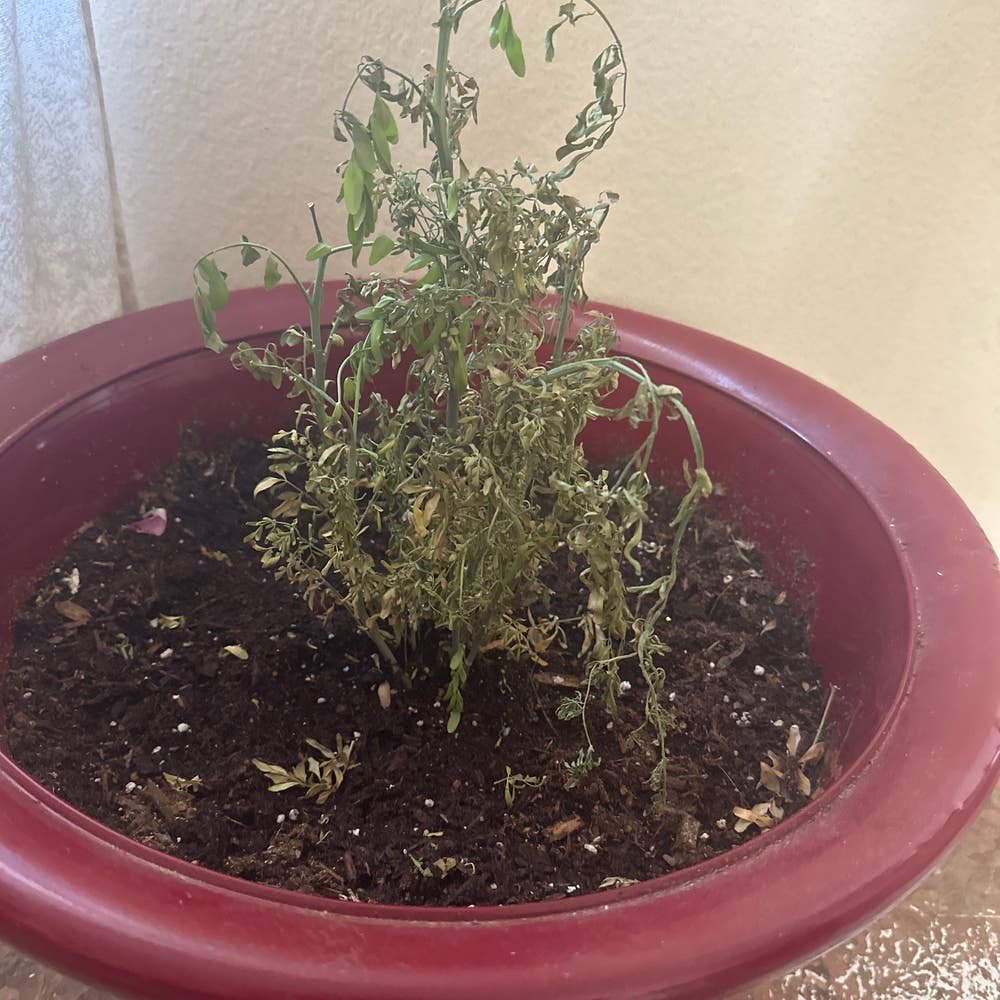
Brown spots on Common Rue can be as varied as the causes behind them. Some spots might be rusty in appearance, suggesting a battle with nutrient deficiencies. Others could be circular or have a water-soaked look, hinting at a fungal or bacterial shindig. The key is in the details: the size, shape, and pattern of these spots are critical in diagnosing your plant's ailment.
🔍 Clues from Brown Spots
Each spot is a clue, a piece of the puzzle in figuring out what's irking your Common Rue. Fungal diseases often show up as raised or spreading spots, while bacterial issues look like they've thrown a wet blanket over your plant's leaves. If you're seeing spots, it's time to don your detective cap and get to work.
🕵️ Inspect and Act
Start by examining the affected leaves—front, back, and stem. If you find brown spots, consider pruning the area with sterilized scissors to prevent further spread. And remember, isolation isn't just for misbehaving pets; it can keep your other plants safe from whatever's bugging your Common Rue.
🌿 Environmental Stress Signals
Not to be overlooked, environmental stressors like too much sun or improper watering can also cause brown spots. These spots might come with scorched tips or appear on leaves that are more exposed to the elements. Keep an eye on your plant's environment; it might be crying out for a change.
🕵️ Underlying Issues
Finally, remember to check under the hood—root health is crucial. If the roots are in trouble, it can manifest as brown spots on the foliage. It's like checking your car's engine when the dashboard lights up; sometimes the problem starts from the ground up.

The Usual Suspects: Common Culprits Behind Brown Spots
🍄 Fungal Foes
Cercospora leaf spot and Anthracnose are notorious for leaving their calling cards on your Common Rue. These fungal felons create raised or spreading brown spots, often preferring the undersides of leaves as their canvas. If you spot these blemishes, it's a clear sign these uninvited guests have crashed the party.
🦠 Bacterial Bullies
Bacterial leaf blight can be a stealthy adversary, with water-soaked lesions that sneak up on the lower leaves. These spots may flaunt a distinctive red or yellow halo, a bacterial signature you can't miss. Overwatering and poor drainage are practically a VIP invite for these microscopic invaders.
🌿 Environmental Stressors
Too much sun can scorch your plant's leaves, leaving behind brown spots as a reminder of its sunbathing regrets. Similarly, overwatering or underwatering can cause your Common Rue to throw a brown spot tantrum. And let's not forget the silent hunger of nutrient deficiencies, which can creep up and leave a mark before you even know there's a problem.

First Aid for Foliage: Treating Brown Spots
🦠 Combating Pathogens
Fungus and bacteria are the usual suspects when it comes to brown spots. To tackle these, start with organic treatments. A home remedy of baking soda, liquid soap, and water can prevent the spread. For a stronger defense, copper-based fungicides are your go-to. They stop spores in their tracks, preventing further germination. If all else fails, an all-purpose fungicide might be necessary. Remember, always follow the label's instructions to a T.
🌿 Easing Environmental Stress
Environmental stress can also cause brown spots. For sunburn, gradually acclimate your plant to full sun. Avoid misting during peak sunlight hours to prevent leaf burn. If overwatering is the issue, ensure proper drainage and let the soil dry out between watering sessions. Nutrient deficiencies? A balanced water-soluble fertilizer can help, but don't overdo it—nutrient burn is real. Lastly, maintain good airflow and avoid wet leaves to keep fungal infections at bay.

Keeping Spots at Bay: Prevention Tactics
Preventive Measures: It's about being proactive, not reactive. To stop brown spots from ever being an issue, start with the basics. Ensure you're using pathogen-free planting materials and if you're feeling particularly strategic, opt for varieties known for their resistance to common pathogens.
🌱 Cultural Practices
Water Wisely: Overhead watering is a no-no—keep it at the base. Wet leaves are an open invitation to fungal gatecrashers. Water early in the day so your plants have time to dry off before the cool evening sets in.
Sanitation is Key: Keep it clean, folks. Clear out plant debris, especially in the fall. Fungi are opportunistic and will take advantage of any free real estate.
🌿 Environmental Control
Sunlight and Airflow: Your plants need their personal space and a healthy dose of sunshine. Good air circulation and bright sunlight are like kryptonite to brown spots.
Soil Matters: Well-draining soil isn't just a preference, it's a necessity. Add organic matter to improve soil structure and remember, a soggy plant is a sad plant.
👩🔬 Regular Monitoring
Inspect Regularly: Make it a habit to check your plants. Early detection can mean the difference between a quick fix and a full-blown plant pandemic.
Isolation Tactics: New plants should be quarantined. It's not unfriendly, it's smart. Give any potential issues time to show themselves before introducing newbies to the rest of your plant gang.
🧪 Smart Use of Chemicals
Fungicides and Bactericides: They're your last line of defense. Use them wisely and as directed. Overuse can lead to resistance, and that's a battle you don't want to fight.
Clean Tools: Sterilize your shears and other tools regularly. It's basic plant hygiene and can prevent a multitude of issues.
By sticking to these tactics, you can keep those pesky brown spots in the realm of myth, rather than an unwelcome reality in your garden.
⚠️ Safety First
This content is for general information and may contain errors, omissions, or outdated details. It is not medical, veterinary advice, or an endorsement of therapeutic claims.
Always consult a qualified healthcare professional before using any plant as food, medicine, or supplement.
Never eat any plant (or feed one to pets) without confirming its identity with at least two trusted sources.
If you suspect poisoning, call Poison Control (800) 222-1222, the Pet Poison Helpline (800) 213-6680, or your local emergency service immediately.
Spotted an error? Please report it here.
Banish brown spots on your Common Rue with Greg's customized care alerts 🛎️, ensuring your green buddy thrives in the perfect environment.