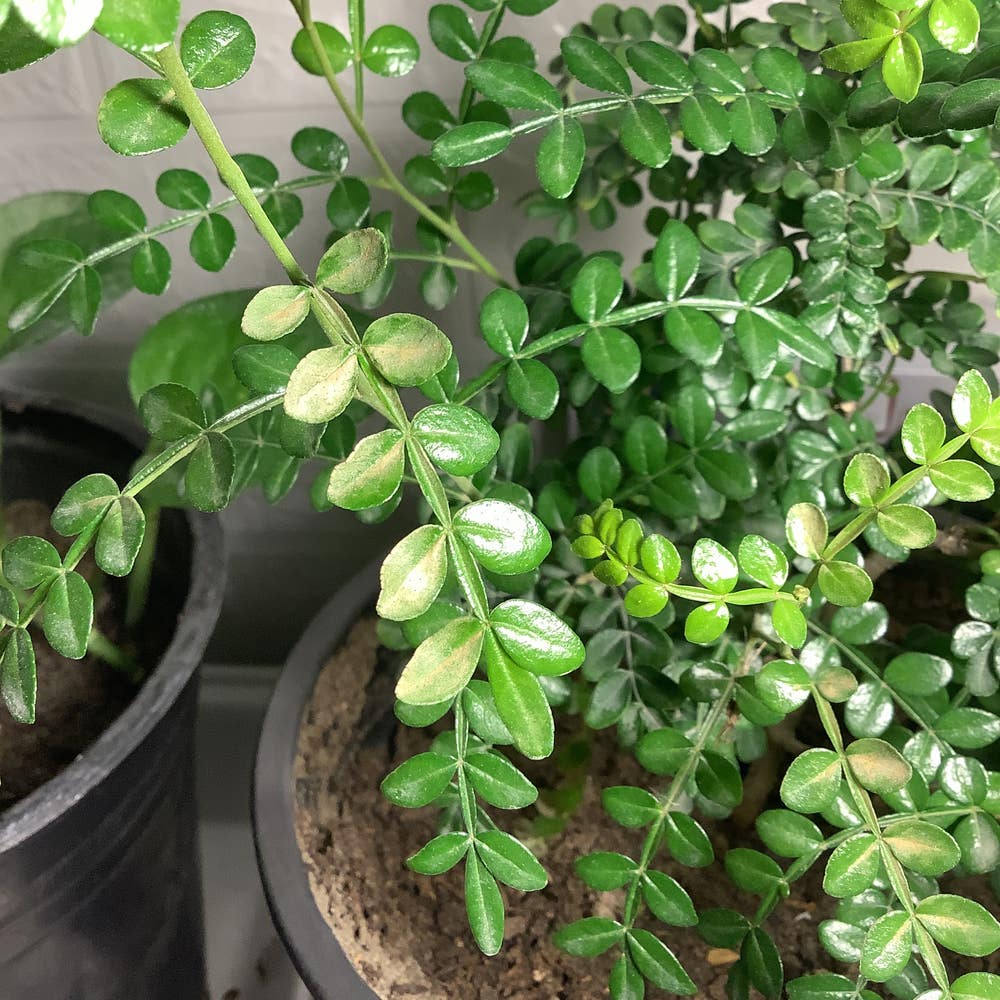
🌳 3 Quick Fixes for Brazilian Pepper Tree Bloom Problems
Zanthoxylum rhoifolium
By the Greg Editorial Team
Oct 25, 2024•3 min read
This article was created with the help of AI so we can cover more plants for you. May contain errors. See one? Report it here.
- 🌞 Brazilian pepper trees need 6-8 hours of sunlight daily for optimal blooming.
- 🌱 Nutrient-rich, well-aerated soil boosts blooming; consider adding organic matter.
- 💧 Deep watering every 1-2 weeks prevents drought stress and supports flower retention.
Bloom Problems in Brazilian Pepper Tree
🌸 Failure to Bloom
Causes
Insufficient Light Exposure
Brazilian pepper trees need a minimum of 6-8 hours of direct sunlight daily to thrive. When shaded, their blooming potential significantly diminishes.
Poor Soil Quality
Well-draining soil is crucial for root health. Signs of compacted or nutrient-poor soil include poor drainage and stunted growth.
Nutritional Deficiencies
Phosphorus and potassium are key nutrients for blooming. Symptoms of deficiencies often manifest as yellowing leaves and stunted growth.
💡 Solutions
Adjusting Light Exposure
Relocating your tree to a sunnier spot can make a world of difference. You can also use reflective surfaces to enhance light exposure.
Soil Amendments
Aim for sandy loam or loamy soil for optimal growth. Techniques like aeration and adding organic matter can significantly improve soil quality.
Fertilization
Opt for slow-release, high-phosphorus fertilizers. Apply them every 6-8 weeks during the growing season for best results.
🌼 Premature Flower Drop
Causes
Environmental Stress
Drought conditions can severely affect flower retention. Extreme temperatures, whether hot or cold, also contribute to premature flower drop.
Overwatering
Signs of overwatering include yellowing leaves and root rot. Proper drainage is essential to prevent these issues.
Pest Infestations
Common pests like aphids and spider mites can wreak havoc on blooms. Look for distorted leaves and reduced flower counts as symptoms of pest damage.
🚰 Solutions
Water Management
Implement a deep watering schedule every 1-2 weeks. Techniques for checking soil moisture levels can help you avoid overwatering.
Pest Control
Consider organic pest control methods such as neem oil or insecticidal soap. Regular monitoring is key for early detection of infestations.
Stress Reduction Techniques
Mulching helps retain soil moisture, while providing shade during extreme heat can protect your tree.
🌺 Abnormal Flower Development
Causes
Improper Pruning
Pruning too late in the season can damage flower buds. Techniques that harm these buds should be avoided.
Nutrient Imbalance
Abnormal leaf color and poor flower formation are signs of nutrient excess or deficiency. Balanced fertilization is crucial for healthy blooms.
Disease
Common diseases like root rot and fungal infections can hinder flower development. Look for signs like wilting and discoloration.
✂️ Solutions
Correct Pruning Techniques
Prune after flowering and remove dead or crossing branches. Use clean, sharp pruning shears for best results.
Balanced Fertilization
Aim for a nutrient ratio of N-P-K (10-20-20) for flowering. Consider both foliar feeding and soil application methods.
Disease Management
Preventative measures include maintaining good air circulation and proper watering techniques. Treatment options may involve fungicides and removing infected plant parts.
🌞 Factors Affecting Flowering
Light Requirements
Adequate sunlight is vital for blooming. The correlation between light exposure and flower production cannot be overstated.
Nutritional Needs
Phosphorus plays a crucial role in flower development, while potassium supports overall plant health. Choose between granular and liquid fertilizers for application.
Pruning Techniques
Best practices include avoiding damage to flower buds and timing your pruning correctly. Recognizing healthy versus damaged buds is essential for success.
🌦️ Seasonal Considerations
Environmental Stress Factors
Identifying common stressors like drought and extreme temperatures is the first step.
Mitigation Strategies
Creating a stable growing environment is crucial. Regularly monitor weather conditions and adjust care accordingly to protect flowering.
By addressing these bloom problems, you can ensure your Brazilian pepper tree thrives and produces beautiful flowers. Next, let’s explore the specific light requirements that can enhance blooming potential even further.
⚠️ Safety First
This content is for general information and may contain errors, omissions, or outdated details. It is not medical, veterinary advice, or an endorsement of therapeutic claims.
Always consult a qualified healthcare professional before using any plant as food, medicine, or supplement.
Never eat any plant (or feed one to pets) without confirming its identity with at least two trusted sources.
If you suspect poisoning, call Poison Control (800) 222-1222, the Pet Poison Helpline (800) 213-6680, or your local emergency service immediately.
Spotted an error? Please report it here.
Boost your Brazilian pepper tree's blooms 🌺 by optimizing sunlight and soil with Greg's tailored care reminders, ensuring it flourishes beautifully all season long!