🌸 Best Spots to Plant Your Paphiopedilum
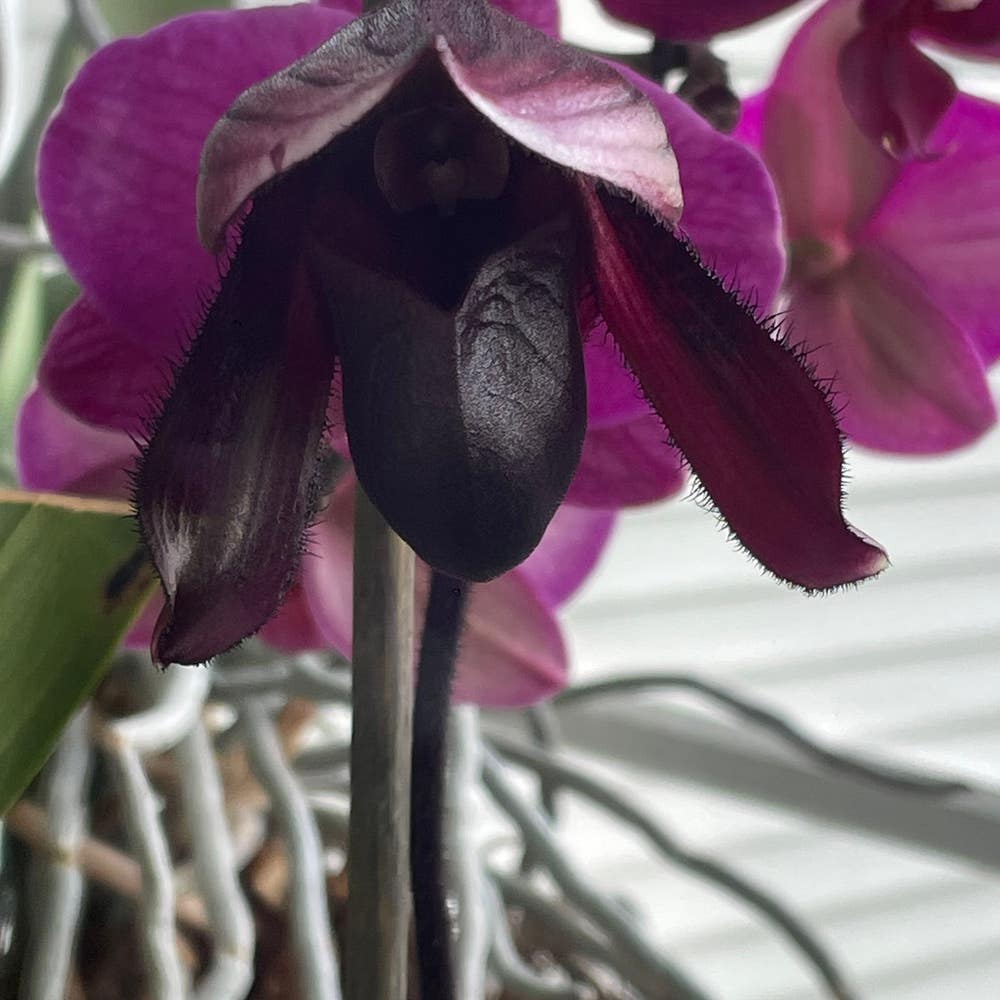
Paphiopedilum hirsutissimum
By the Greg Editorial Team
Nov 09, 2024•5 min read
This article was created with the help of AI so we can cover more plants for you. May contain errors. See one? Report it here.
Master the light and soil needs of Paphiopedilum orchids 🌸 for stunning blooms in your home garden!
- 🌞 Paphiopedilum thrives in bright, indirect light; avoid harsh afternoon sun.
- 🌳 Ideal spots include shaded areas under trees for filtered light and humidity.
- 🌱 Well-draining, organic-rich soil is crucial for healthy growth and blooming.
Sunlight Exposure Requirements
Light Requirements 🌞
Paphiopedilum orchids thrive best in bright, indirect light. This type of light mimics their natural habitat, allowing them to flourish without the risk of leaf burn.
They also tolerate lower light levels remarkably well. This adaptability makes them perfect for indoor settings or shaded areas beneath tree canopies.
Assessing Sun Exposure 🌅
When it comes to sun exposure, morning sunlight is your friend. It provides gentle warmth and energy, while harsh afternoon rays can scorch the leaves.
To measure light intensity effectively, consider using a light meter. Alternatively, observe your plant's behavior—changes in leaf color or growth direction can indicate whether it's getting the right amount of light.
Understanding these light requirements is crucial for the health of your Paphiopedilum. With the right conditions, these stunning orchids can truly thrive.
Next, let’s explore their shade tolerance and preferences to ensure you’re providing the best environment for your plants.
Shade Tolerance and Preferences
🌳 Shade Tolerance
Paphiopedilum orchids thrive in the shaded undergrowth of tropical forests. Their natural habitat often places them beneath a lush canopy, where they enjoy partial shade that mimics their ideal growing conditions.
For optimal health, aim for 50-70% shade. This balance allows the plant to receive enough light without the stress of direct sun exposure.
🌿 Identifying Suitable Shaded Areas
When selecting a spot for your Paphiopedilum, consider locations like under trees or near taller plants. These areas provide the filtered light that these orchids crave.
It's crucial to avoid complete darkness. Ensure that some light reaches your plant to prevent etiolation, which can lead to weak growth and poor flowering.
By understanding their shade preferences, you can create a thriving environment for your Paphiopedilum. This knowledge sets the stage for exploring their soil and drainage needs next.
Soil and Drainage Needs
🌱 Ideal Soil Types
For your Paphiopedilum, the right soil is crucial. Aim for well-draining, organic-rich soil that mimics the leaf litter found in their natural tropical habitat.
To achieve this, consider using a mix of orchid bark, sphagnum moss, and perlite. This combination not only provides aeration but also ensures excellent drainage, which is vital for healthy root development.
🚰 Importance of Drainage
Good drainage is essential to prevent root rot, a common issue for Paphiopedilum. Always choose planting sites that allow excess water to escape easily.
After heavy rain, check for standing water around your plants. If you notice pooling, it may be time to amend your soil or consider a different location to keep your orchids thriving.
With the right soil and drainage in place, your Paphiopedilum will flourish, setting the stage for vibrant blooms. Next, let’s explore how to assess and choose the best spot for your orchids.
Proximity to Other Plants and Structures
🌱 Companion Planting Considerations
Choosing the right companion plants for your Paphiopedilum is essential for creating a thriving environment. Look for plants that share similar light and humidity needs to foster harmony in your garden.
It's crucial to avoid competition for resources. Ensure that your companion plants do not overshadow your Paphiopedilum, as this can hinder its growth and flowering potential.
🏢 Impact of Nearby Structures
When evaluating your garden layout, consider how nearby structures like buildings, fences, or walls can influence your plant's health. These structures can significantly affect light availability and temperature, which are vital for your Paphiopedilum's well-being.
If you find that a structure creates excessive shade or heat, don't hesitate to adjust your plant's placement. A little repositioning can make a world of difference in ensuring your Paphiopedilum thrives in its environment.
With the right companions and careful consideration of structures, your Paphiopedilum can flourish beautifully. Next, we’ll explore how to assess and choose the best spot for planting your Paphiopedilum effectively.
Assessing and Choosing the Best Spot
🕵️♂️ Steps to Evaluate Potential Sites
Finding the perfect spot for your Paphiopedilum is crucial for its health and growth. Start by observing light patterns throughout the day; this will help you understand how much sunlight your plant will receive.
Next, check the soil drainage and composition. Paphiopedilum thrives in well-draining soil, so ensure the area doesn’t retain excess water.
Assess wind exposure and protection as well. Strong winds can damage delicate leaves, so look for a sheltered location.
Finally, consider the proximity to other plants and structures. Ensure that nearby plants won’t overshadow your Paphiopedilum or compete for resources.
🛠️ Tools and Methods for Site Selection
To make informed decisions, utilize some handy tools. A light meter is invaluable for measuring light intensity in different areas, ensuring your plant gets just the right amount of brightness.
Soil testing kits are another great resource. They help analyze soil pH and nutrient levels, ensuring the ground is suitable for your Paphiopedilum.
By following these steps and using the right tools, you can confidently choose the best spot for your plant. This thoughtful approach will set the stage for a thriving Paphiopedilum, ready to bloom beautifully.
⚠️ Safety First
This content is for general information and may contain errors, omissions, or outdated details. It is not medical, veterinary advice, or an endorsement of therapeutic claims.
Always consult a qualified healthcare professional before using any plant as food, medicine, or supplement.
Never eat any plant (or feed one to pets) without confirming its identity with at least two trusted sources.
If you suspect poisoning, call Poison Control (800) 222-1222, the Pet Poison Helpline (800) 213-6680, or your local emergency service immediately.
Spotted an error? Please report it here.
Choose the perfect spot for your Paphiopedilum 🌿 with Greg's tailored light assessments and care tips, ensuring your orchids flourish and bloom beautifully!