5 Easy Ways to Pollinate Paphiopedilum 🐝
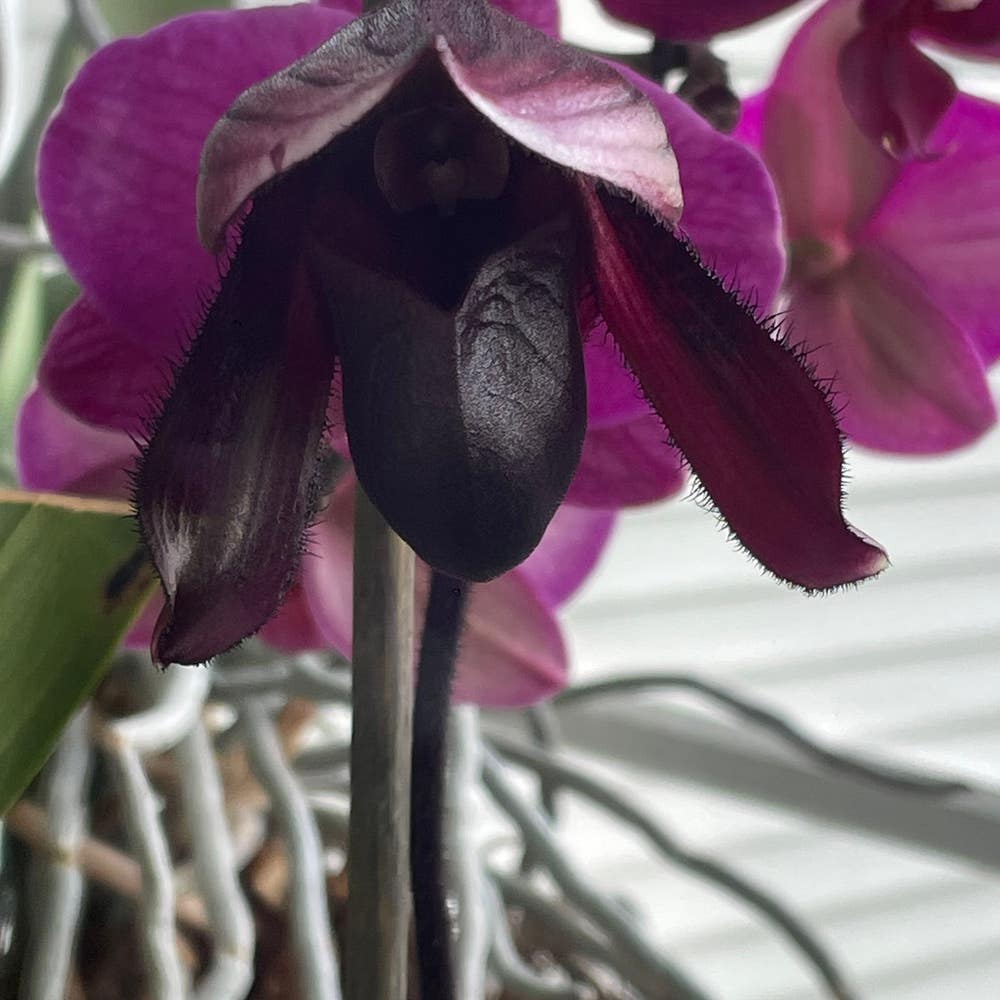
Paphiopedilum hirsutissimum
By the Greg Editorial Team
Nov 09, 2024•6 min read
This article was created with the help of AI so we can cover more plants for you. May contain errors. See one? Report it here.
Unlock the secret to thriving Paphiopedilum orchids 🌺 with essential pollination tips that boost beauty and reproduction!
- 🌸 Paphiopedilum flowers attract bees, butterflies, and hummingbirds for effective pollination.
- 🐝 Hand pollination ensures successful reproduction when natural pollinators are scarce.
- 🌿 Create a pollinator-friendly garden to enhance biodiversity and support Paphiopedilum growth.
Flower Structure
🌸 Description of Flower Parts
Paphiopedilum orchids are renowned for their striking beauty, and their flower parts play a crucial role in attracting pollinators. The petals come in unique shapes and vibrant colors, designed to catch the eye of bees, butterflies, and other pollinators.
The sepals are arranged to support the flower's structure, often forming a protective layer around the reproductive organs. Meanwhile, the stamens serve as the male reproductive parts, producing pollen essential for fertilization. On the other hand, the pistils are the female reproductive parts, playing a significant role in the pollination process by receiving pollen for fertilization.
🐝 How Flower Structure Facilitates Pollination
One of the most fascinating features of Paphiopedilum is its pouch-like lip, which acts as a trap for specific pollinator species. This unique structure not only attracts pollinators but also guides them toward the reproductive parts of the flower.
The arrangement of petals and sepals is meticulously designed to facilitate effective pollen transfer. This structural design is vital for both self-pollination and cross-pollination, ensuring genetic diversity and the continuation of the species. Understanding these elements of flower structure is key to appreciating how Paphiopedilum thrives in its environment.
As we delve deeper into the world of pollination, it’s essential to recognize the natural pollinators that play a pivotal role in this process.
Natural Pollination
🐝 Primary Pollinators
Paphiopedilum orchids rely on a variety of pollinators to thrive. The key species include bees, butterflies, moths, and hummingbirds, each playing a unique role in the pollination process.
Bees
Bees are particularly attracted to the scent and vibrant colors of Paphiopedilum flowers. As they collect nectar, they inadvertently transfer pollen from one flower to another, facilitating reproduction.
Butterflies
Butterflies are drawn in by visual cues and the promise of nectar rewards. Their delicate movements help ensure that pollen is spread effectively across multiple blooms.
Moths
Moths, often active at night, have specific adaptations that make them ideal pollinators for certain Paphiopedilum species. Their nocturnal behavior aligns with the flowers' blooming patterns, enhancing pollination success.
Hummingbirds
Hummingbirds are captivated by bright colors and tubular flower shapes. Their rapid movements and ability to hover allow them to access nectar while transferring pollen efficiently.
🌼 Pollen Transfer Mechanisms
Natural pollen transfer in Paphiopedilum occurs through the interactions of these pollinators. When a pollinator visits a flower, it brushes against the stamens, collecting pollen that it later deposits on the stigma of another flower.
Pollination is crucial for the plant's reproduction and genetic diversity. It ensures that the next generation of orchids is robust and varied, adapting to changing environments.
Seasonal variations can significantly impact pollination success. Factors such as temperature and the availability of pollinators fluctuate throughout the year, influencing the timing and effectiveness of pollination events.
Understanding these dynamics can help orchid enthusiasts optimize their care practices and enhance the chances of successful pollination. As we explore further, we'll look into hand pollination techniques that can supplement natural methods when necessary.
Hand Pollination Techniques
Hand pollination can be a rewarding way to ensure your Paphiopedilum orchids thrive. Here’s a straightforward guide to help you navigate this moderate-level technique.
Step-by-Step Instructions
Timing: The best time for hand pollination is during the flowering period when the flowers are fully open and receptive.
Tools Needed: Gather a fine brush or a cotton swab. These tools will help you transfer pollen delicately.
Collecting Pollen: Identify mature anthers, which are the male parts of the flower. Gently remove the pollen using your brush or swab.
Transferring Pollen: Apply the collected pollen to the stigma of the same flower or another flower. This step is crucial for successful fertilization.
🔍 Identifying Male and Female Flower Parts
Understanding the flower's anatomy is essential for effective hand pollination.
Stamens: These are the male reproductive parts, typically consisting of the anther and filament.
Pistils: The female reproductive parts, which include the stigma, style, and ovary, are where the pollen must be applied.
Accurate identification of these parts ensures that you successfully pollinate your orchids. Knowing your flowers can make all the difference in your gardening journey.
With these techniques, you can enhance your Paphiopedilum's chances of reproduction, ensuring vibrant blooms for years to come. Next, let’s explore how to support pollinators in your garden for even better results.
Supporting Pollinators
🌼 Creating a Pollinator-Friendly Environment
Designing a garden that attracts pollinators is both rewarding and essential for plant health. Start by planting native species that bloom at different times throughout the growing season to provide a continuous food source.
Next, ensure there are water sources available, such as shallow dishes or birdbaths, where pollinators can hydrate. Additionally, create shelter by incorporating dense foliage or small brush piles, offering safe havens for these vital creatures.
Finally, avoid using pesticides that can harm beneficial insects. Opt for organic gardening methods to protect your pollinators while maintaining a thriving garden.
🌿 Companion Plants
Companion planting can significantly enhance pollinator activity in your garden. Consider adding lavender, which is known for attracting bees and butterflies with its fragrant blooms.
Coneflower is another excellent choice, providing nectar for various pollinator species, including bees and butterflies. Lastly, milkweed is essential for attracting monarch butterflies, serving as a host plant for their larvae.
By incorporating these companion plants, you create a vibrant ecosystem that supports pollinators and enriches your garden's biodiversity.
As you cultivate a pollinator-friendly environment, you not only help these essential creatures thrive but also enhance the beauty and productivity of your garden. This sets the stage for addressing the challenges of pollination in the next section.
Pollination Challenges
🌪️ Common Obstacles
Pollination can be tricky, especially when environmental factors come into play. Temperature fluctuations and high humidity levels can significantly impact the success of pollination in Paphiopedilum orchids.
In urban or indoor settings, the lack of natural pollinators poses another challenge. Without bees, butterflies, or other pollinators, these beautiful flowers may struggle to reproduce effectively.
🛠️ Solutions for Overcoming Challenges
Fortunately, there are effective strategies to enhance pollination success. One of the most reliable methods is utilizing hand pollination techniques when natural pollinators are scarce.
Adjusting environmental conditions can also create a more favorable habitat for pollinators. This might include optimizing light levels, humidity, and temperature to mimic their natural environments.
Monitoring and adapting care practices based on seasonal changes and pollinator activity is crucial. By staying attuned to these factors, you can ensure your Paphiopedilum thrives, even in less-than-ideal conditions.
With a little effort and awareness, you can overcome these challenges and support the beautiful cycle of pollination. This not only benefits your orchids but also contributes to the broader ecosystem.
⚠️ Safety First
This content is for general information and may contain errors, omissions, or outdated details. It is not medical, veterinary advice, or an endorsement of therapeutic claims.
Always consult a qualified healthcare professional before using any plant as food, medicine, or supplement.
Never eat any plant (or feed one to pets) without confirming its identity with at least two trusted sources.
If you suspect poisoning, call Poison Control (800) 222-1222, the Pet Poison Helpline (800) 213-6680, or your local emergency service immediately.
Spotted an error? Please report it here.
Unlock the secrets of successful pollination 🌼 for your Paphiopedilum orchids with Greg's expert tips and reminders, ensuring your blooms flourish while supporting the ecosystem!