Top 3 Tips to Prevent Your Paphiopedilum Wilting 💧
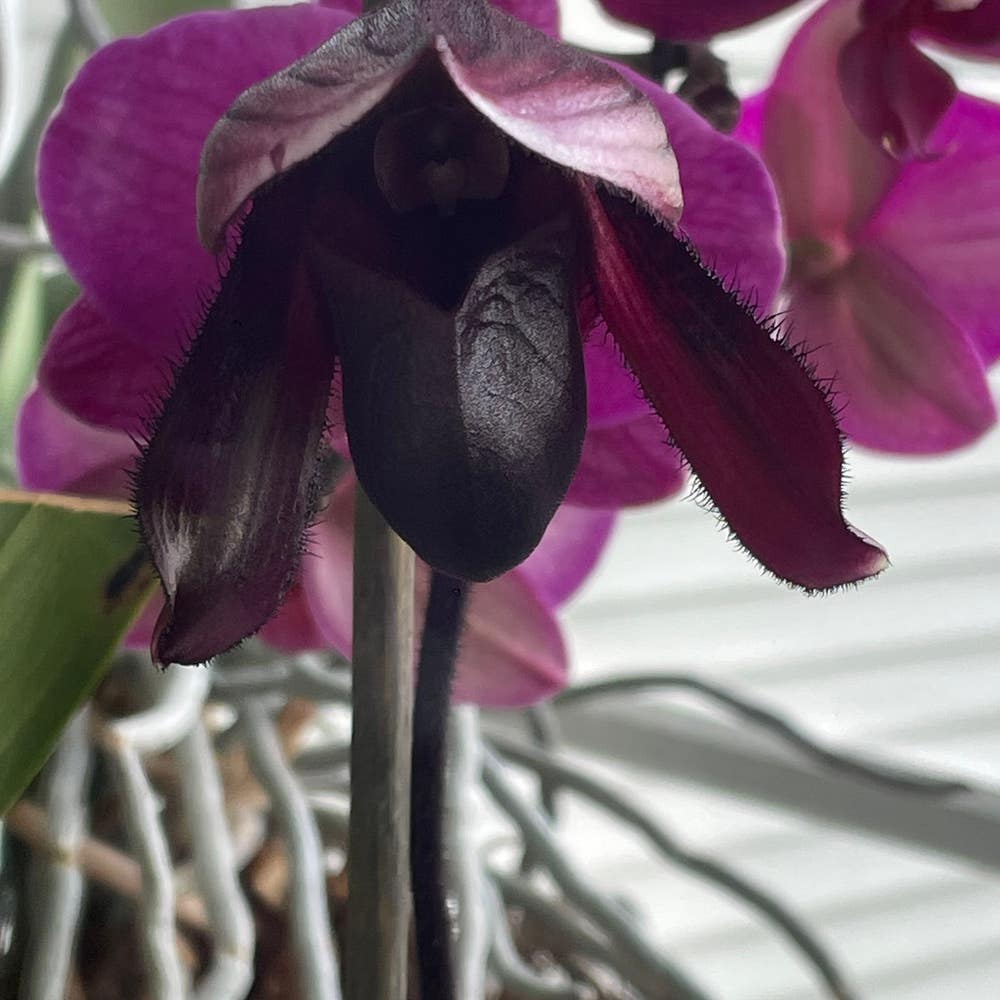
Paphiopedilum hirsutissimum
By the Greg Editorial Team
Oct 25, 2024•6 min read
This article was created with the help of AI so we can cover more plants for you. May contain errors. See one? Report it here.
Transform your wilting Paphiopedilum into a thriving beauty 🌸 with these essential care tips and tricks!
- 💧 Wilting in Paphiopedilum often signals water or heat stress; monitor conditions closely.
- 🌡️ Relocate to shade and increase humidity to combat heat stress effectively.
- 🪴 Regular checks for disease and moisture ensure your orchid stays healthy and vibrant.
Common Causes of Wilting Leaves
🚰 Water Stress
Wilting leaves can often signal water stress in your Paphiopedilum. Look for droopy leaves, dry tips, and yellowing as key symptoms.
Inconsistent watering practices are usually to blame. Whether it's overwatering or underwatering, both can lead to this distress.
🌡️ Heat Stress
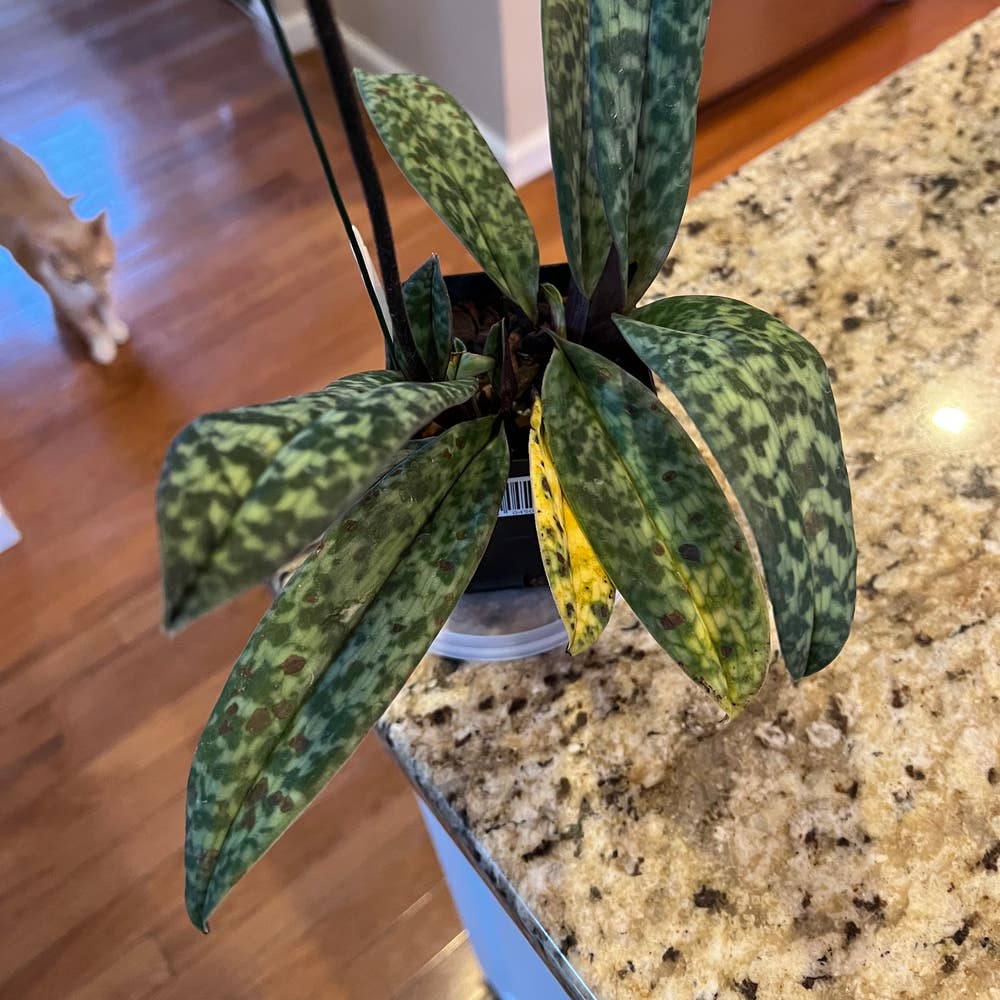
Another common culprit is heat stress. Symptoms include curling or wilting leaves, especially during those scorching summer days.
Direct sunlight or high ambient temperatures can wreak havoc on your plant. Finding the right balance is crucial for its health.
🦠 Disease-Related Wilting
Sometimes, wilting is linked to disease. If you notice wilting accompanied by discoloration or spots on the leaves, it may indicate a fungal or bacterial infection.
While these issues are less common in Paphiopedilum, they can still occur. Keeping an eye on your plant's overall health is essential.
🦠 Uncommon Causes: Pathogenic Wilt
Pathogenic wilt is a rare occurrence in Paphiopedilum. Typically, environmental factors are the main culprits behind wilting leaves.
Understanding these causes can help you take proactive measures to keep your plant thriving. Now that you know what to look for, let’s dive into diagnosing wilting in your Paphiopedilum.
Diagnosing Wilting
🕵️♂️ Step-by-Step Guide
Diagnosing wilting in your Paphiopedilum requires a systematic approach. Start by assessing your watering habits; check the soil moisture levels to see if they align with your plant's needs.
Next, evaluate the environmental conditions. Measure the temperature and humidity to ensure they are suitable for your orchid.
Inspect the leaves for any signs of disease or damage. Look closely for discoloration, spots, or unusual textures.
Finally, check the potting medium. Ensure it is well-draining and appropriate for Paphiopedilum to prevent waterlogging.
👀 Signs to Look for in Leaves
Pay attention to color changes in the leaves. Yellowing or browning tips can indicate stress or nutrient deficiencies.
Texture changes are also crucial; soft or mushy spots may signal rot.
Additionally, monitor growth patterns. Stunted growth or a lack of new leaves can be a sign that something is amiss.
By carefully diagnosing these symptoms, you can take the necessary steps to revive your plant and prevent further wilting. Next, let’s explore effective solutions to address these issues.
Solutions for Wilting
🌊 Addressing Water Stress
Water stress is a common issue for Paphiopedilum, leading to droopy leaves and yellowing.
Adjust Watering Frequency: Start by checking the soil moisture. If it feels dry several inches down, it’s time to water.
Use a Moisture Meter: This handy tool provides accurate readings, helping you avoid over- or underwatering.
Implement a Consistent Schedule: Tailor your watering routine to the plant's specific needs, factoring in environmental conditions like temperature and humidity.
☀️ Addressing Heat Stress
Heat stress can cause leaves to curl or wilt, especially in direct sunlight.
Relocate the Plant: Move your Paphiopedilum to a shadier spot or use sheer curtains to diffuse harsh sunlight.
Increase Humidity: Use a humidity tray or mist the plant regularly to create a more favorable environment.
Monitor Temperature: Keep an eye on temperature fluctuations to ensure your plant stays within its comfort zone.
🦠 Addressing Disease-Related Wilting
If wilting is accompanied by discoloration, it may indicate a disease.
Identify the Disease: Determine whether it’s fungal or bacterial. This step is crucial for effective treatment.
Remove Affected Leaves: Prune any damaged foliage and treat the plant with the appropriate fungicides or bactericides.
Ensure Air Circulation: Good airflow around your plant helps prevent future outbreaks and keeps it healthy.
By addressing these issues promptly, you can help your Paphiopedilum thrive. Next, let’s explore preventive measures to keep your plant in top shape.
Preventive Measures
Best Practices 🌱
To keep your Paphiopedilum thriving, a consistent watering schedule is essential. Tailor this schedule to the plant's specific needs, ensuring it receives just the right amount of moisture.
Regularly check environmental conditions, too. This means monitoring temperature and humidity to create a comfortable habitat for your orchid.
Environmental Adjustments 🌬️
Using a humidity gauge can be a game-changer. Aim for humidity levels between 50-70% to keep your plant happy and healthy.
Also, consider the plant's location. Position it in a stable environment, free from drafts and sudden temperature changes, to promote optimal growth.
By implementing these preventive measures, you can significantly reduce the risk of wilting and ensure your Paphiopedilum flourishes.
Next, let’s explore effective solutions for addressing wilting when it occurs.
Reviving a Wilted Plant
🌊 Techniques for Bottom Watering
Bottom watering is a simple yet effective method to revive your Paphiopedilum.
- Step 1: Place the pot in a shallow tray of water for 30 minutes. This allows the plant to soak up moisture from the bottom.
- Step 2: After 30 minutes, remove the pot and let any excess water drain. This ensures even hydration throughout the soil.
🏡 Relocating the Plant Temporarily
Sometimes, a change of scenery is all your plant needs to bounce back.
- Step 1: Move the plant to a more suitable environment with optimal humidity and temperature. Look for a spot that avoids direct sunlight and drafts.
- Step 2: Monitor the plant closely for signs of recovery. Keep an eye out for new growth or improved leaf texture.
✂️ Pruning Damaged Leaves
Pruning can help your plant focus its energy on new growth.
- Step 1: Use clean, sharp scissors to remove wilted or damaged leaves. This prevents any potential spread of disease.
- Step 2: Make cuts at the base of the leaf. This encourages the plant to redirect its energy toward healthier growth.
Reviving a wilted Paphiopedilum can be a rewarding experience. With the right techniques, you can restore its vitality and enjoy its beauty once again. Next, let’s explore when it’s time to seek expert help for your plant.
When to Seek Help
Signs Indicating the Need for Expert Assistance 🌱
If your Paphiopedilum continues to wilt despite your best efforts, it may be time to seek help. Persistent wilting can indicate deeper issues that require professional intervention.
Look out for signs of severe disease or pest infestation. Discoloration, unusual spots, or a sudden increase in pests can signal that your plant needs expert care.
Resources for Assistance 📚
Finding the right support can make all the difference. Local nurseries specializing in orchids often have knowledgeable staff who can provide tailored advice.
Additionally, online communities like Greg offer a wealth of resources and shared experiences. Engaging with fellow plant enthusiasts can help you troubleshoot and find solutions for your wilting Paphiopedilum.
With the right guidance, you can get your plant back on track and thriving once again.
⚠️ Safety First
This content is for general information and may contain errors, omissions, or outdated details. It is not medical, veterinary advice, or an endorsement of therapeutic claims.
Always consult a qualified healthcare professional before using any plant as food, medicine, or supplement.
Never eat any plant (or feed one to pets) without confirming its identity with at least two trusted sources.
If you suspect poisoning, call Poison Control (800) 222-1222, the Pet Poison Helpline (800) 213-6680, or your local emergency service immediately.
Spotted an error? Please report it here.
Keep your Paphiopedilum thriving 🌼 by using Greg's tailored watering reminders and humidity tips to combat wilting and ensure your orchid flourishes!