🔍 Understanding Brown Spots on Your Paphiopedilum Leaves
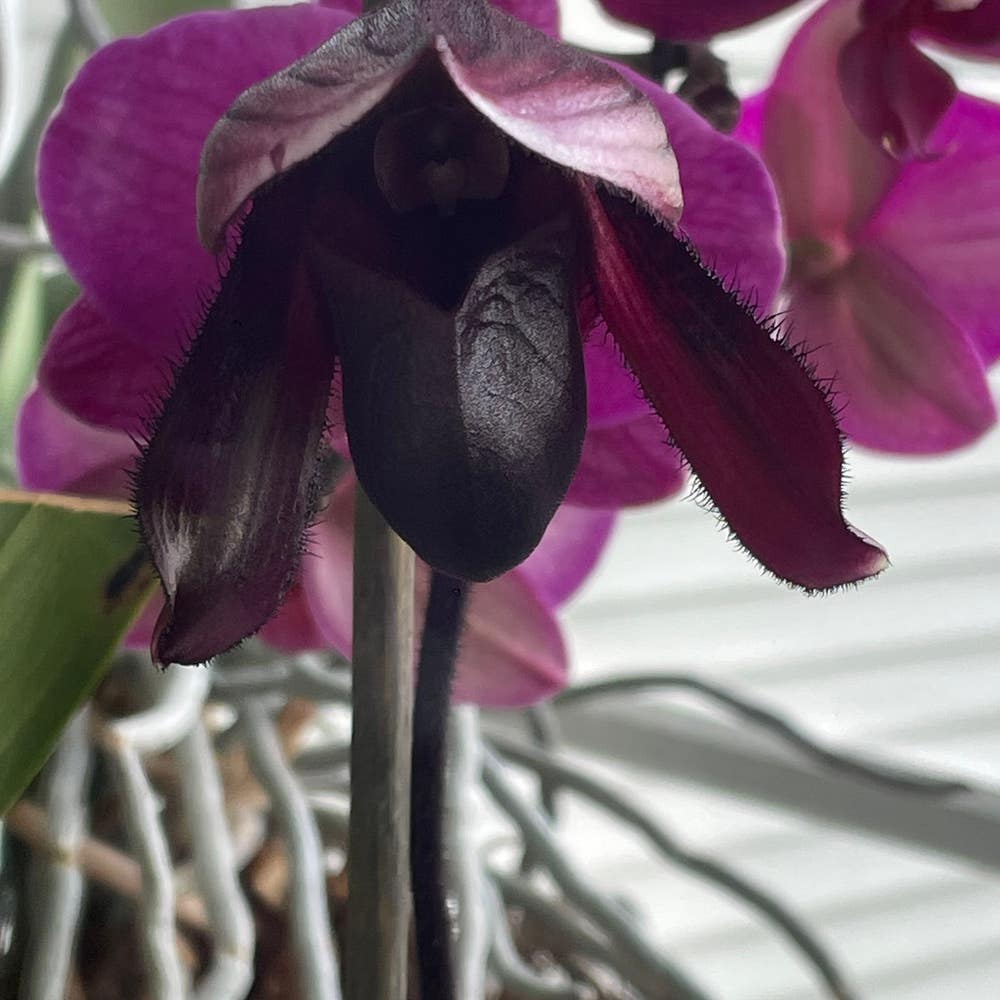
Paphiopedilum hirsutissimum
By the Greg Editorial Team
Oct 25, 2024•5 min read
This article was created with the help of AI so we can cover more plants for you. May contain errors. See one? Report it here.
Revive your Paphiopedilum 🌱 by mastering the causes of brown spots and ensuring vibrant, healthy growth!
- 🌱 Brown spots on Paphiopedilum arise from infections, deficiencies, and environmental stress.
- 💧 Maintain humidity between 50-70% to prevent crispy edges and brown spots.
- 🌞 Optimal light is crucial; too much sun causes burns, while too little leads to issues.
Causes of Brown Spots
🦠 Fungal Infections
Fungal infections are a common culprit behind brown spots on Paphiopedilum leaves. Key pathogens include Botrytis and Phytophthora, which create dark brown spots with fuzzy edges, indicating a serious issue.
These fungi thrive in conditions of high humidity and poor air circulation. Ensuring good airflow and managing humidity can help prevent these infections.
🦠 Bacterial Infections
Bacterial infections can also lead to brown spots, with Erwinia and Pseudomonas being the primary offenders. Look for water-soaked lesions that eventually turn brown, signaling bacterial activity.
Overwatering and high humidity create a perfect storm for these pathogens. Adjusting your watering habits can significantly reduce the risk.
🥦 Nutrient Deficiencies
Nutrient deficiencies are another potential cause of brown spots. Key nutrients to monitor include nitrogen, potassium, and magnesium.
Symptoms often manifest as yellowing leaves with brown tips. Regular soil testing is crucial to assess nutrient levels and ensure your plant is getting what it needs.
🌞 Environmental Stress
💡 Light Requirements
Light stress can lead to brown spots as well. Paphiopedilum thrives in low to moderate light, ideally between 1,000-2,000 foot-candles.
If your plant is getting too much sun, it may develop brown spots from sunburn. Conversely, insufficient light can also cause similar issues.
💧 Humidity Levels
Humidity plays a vital role in the health of your orchid. The optimal humidity range for Paphiopedilum is 50-70%.
Low humidity can cause brown, crispy leaf edges, indicating that your plant is struggling. Regular misting or humidity trays can help maintain the right levels.
🌡️ Temperature Fluctuations
Temperature fluctuations can stress your plant, leading to brown spots. The ideal temperature range is 20°C to 25°C (68°F to 77°F) during the day.
Extreme heat or cold can cause significant damage, so monitoring your plant's environment is essential.
🐛 Pest Infestations
Pests like aphids, spider mites, and mealybugs can also contribute to brown spots. These pests cause feeding damage, leading to stressed leaves.
Regular monitoring is crucial for early detection. Keeping an eye on your plant can prevent infestations from escalating and causing further harm.
Understanding these causes is the first step in addressing brown spots on your Paphiopedilum. Next, we’ll explore how to diagnose the specific issues affecting your plant.
Diagnosing the Problem
🌟 Identifying the Type of Brown Spots
Spot Size and Shape
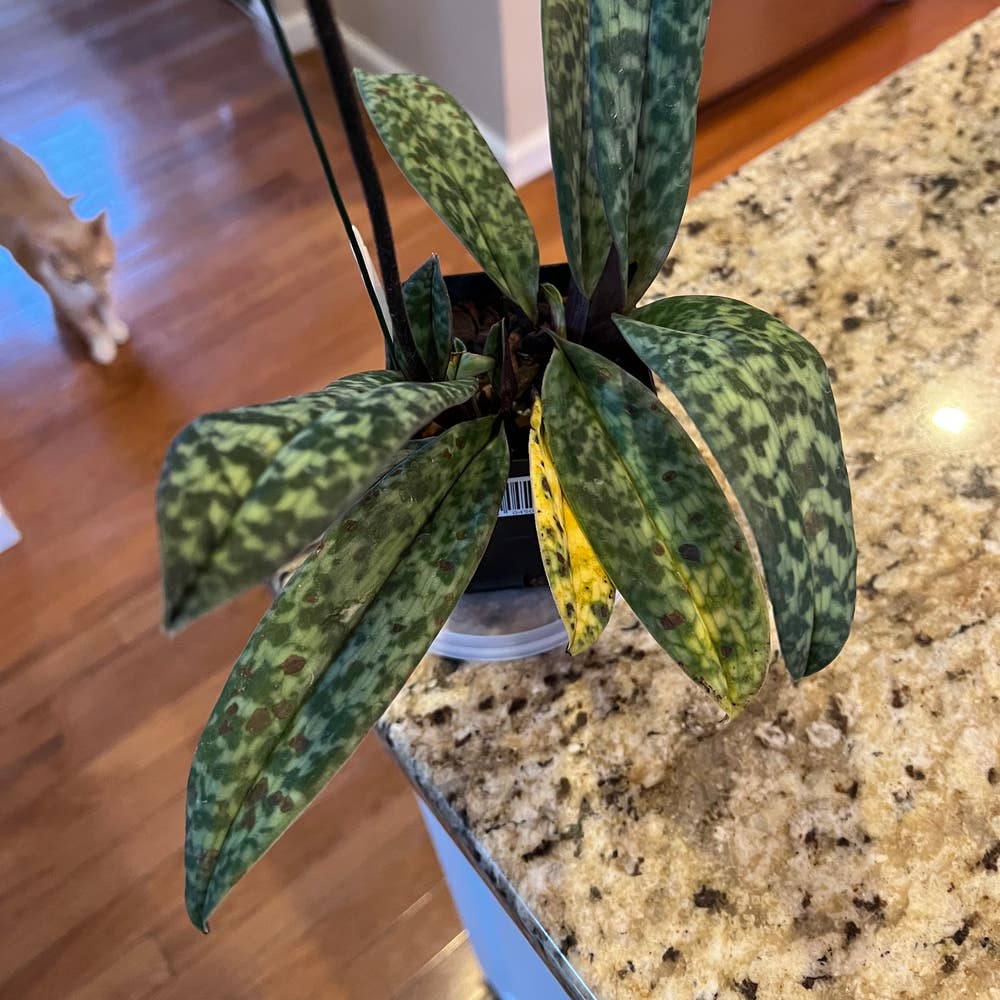
When examining brown spots on your Paphiopedilum leaves, size and shape are key indicators. Small, round spots often signal fungal or bacterial infections, while large, irregular patches may point to environmental stress or pest damage.
Location on the Leaf
The location of the spots also provides clues. Brown spots at the tips and edges typically indicate nutrient deficiencies or environmental stress, whereas spots in the center of the leaf may suggest fungal or bacterial issues.
🌤️ Assessing Environmental Conditions
Light Exposure
Light exposure is crucial for your plant's health. Use a light meter to measure light levels and ensure they fall within the optimal range; if not, consider moving your plant to a better spot.
Humidity Levels
Humidity plays a significant role in the well-being of your Paphiopedilum. Monitor humidity with a hygrometer, and if levels are low, implement solutions like pebble trays or humidifiers to create a more suitable environment.
Temperature Fluctuations
Temperature fluctuations can stress your plant, leading to brown spots. Keep track of day and night temperatures with a thermometer, and adjust conditions by relocating plants away from drafts or heat sources.
Understanding these diagnostic elements will empower you to take effective action. Next, we’ll explore treatment options to restore your Paphiopedilum to its vibrant self.
Treatment Options
🦠 Fungal and Bacterial Treatments
Recommended Fungicides and Bactericides
To combat fungal and bacterial infections on your Paphiopedilum, consider using effective treatments like copper fungicide and neem oil. Always spray directly on the affected areas, and follow the label instructions for best results.
🌱 Nutrient Supplementation
Fertilizers to Use
For optimal growth, use a balanced NPK fertilizer, such as 30-10-10, specifically formulated for orchids. Apply this every 4-6 weeks during the growing season to ensure your plant receives the necessary nutrients.
🐛 Pest Control Methods
Identifying Pests
Keep an eye out for common signs of pest infestations, including sticky residue, webbing, or visible insects on your plants. Early detection is crucial for effective control, so regular inspections are key.
Organic and Chemical Control Options
When it comes to pest control, you have options. Introduce beneficial insects or use insecticidal soap for organic methods. If needed, targeted chemical pesticides can also be effective, but always ensure they are safe for your orchids.
By implementing these treatment options, you can help your Paphiopedilum thrive and prevent further issues. Next, let’s explore preventive measures to keep your plant healthy in the long run.
Preventive Measures
🌱 Best Practices for Care
Proper Watering Techniques
Watering your Paphiopedilum correctly is crucial. Allow the top inch of soil to dry out between waterings to prevent root rot.
Using well-draining media is equally important. Opt for orchid-specific potting mixes that promote airflow and drainage.
Ideal Light Conditions
Placement matters when it comes to light exposure. Ensure your orchid receives indirect light to avoid leaf burn.
If your space has harsh sunlight, consider using sheer curtains. This simple adjustment can diffuse light and protect your plant.
🌧️ Humidity Management
Maintaining humidity is key for healthy growth. Regular misting or using humidity trays can help keep moisture levels up.
Monitoring humidity levels is essential. A hygrometer will help you ensure your Paphiopedilum thrives in optimal conditions.
🔍 Regular Monitoring and Maintenance
Inspecting Leaves Regularly
Make it a habit to check your leaves weekly. Early detection of issues can save your plant from serious problems.
Prompt action is vital. Addressing concerns before they escalate can make all the difference in your orchid's health.
🌦️ Adjusting Care Based on Seasonal Changes
Be ready to modify your care routine with the seasons. Adjust watering and feeding schedules as temperatures and light levels change.
Adaptability is key. Tailoring your care to your plant's needs throughout the year will lead to a thriving Paphiopedilum.
By following these preventive measures, you can significantly reduce the risk of brown spots on your Paphiopedilum leaves. Next, we’ll explore how to diagnose the specific issues affecting your plant.
⚠️ Safety First
This content is for general information and may contain errors, omissions, or outdated details. It is not medical, veterinary advice, or an endorsement of therapeutic claims.
Always consult a qualified healthcare professional before using any plant as food, medicine, or supplement.
Never eat any plant (or feed one to pets) without confirming its identity with at least two trusted sources.
If you suspect poisoning, call Poison Control (800) 222-1222, the Pet Poison Helpline (800) 213-6680, or your local emergency service immediately.
Spotted an error? Please report it here.
Keep your Paphiopedilum spotless 🌿 by using Greg's tailored care tips and reminders to create the perfect environment for thriving orchids!