🌸 7 Outdoor Care Hacks for Paphiopedilum
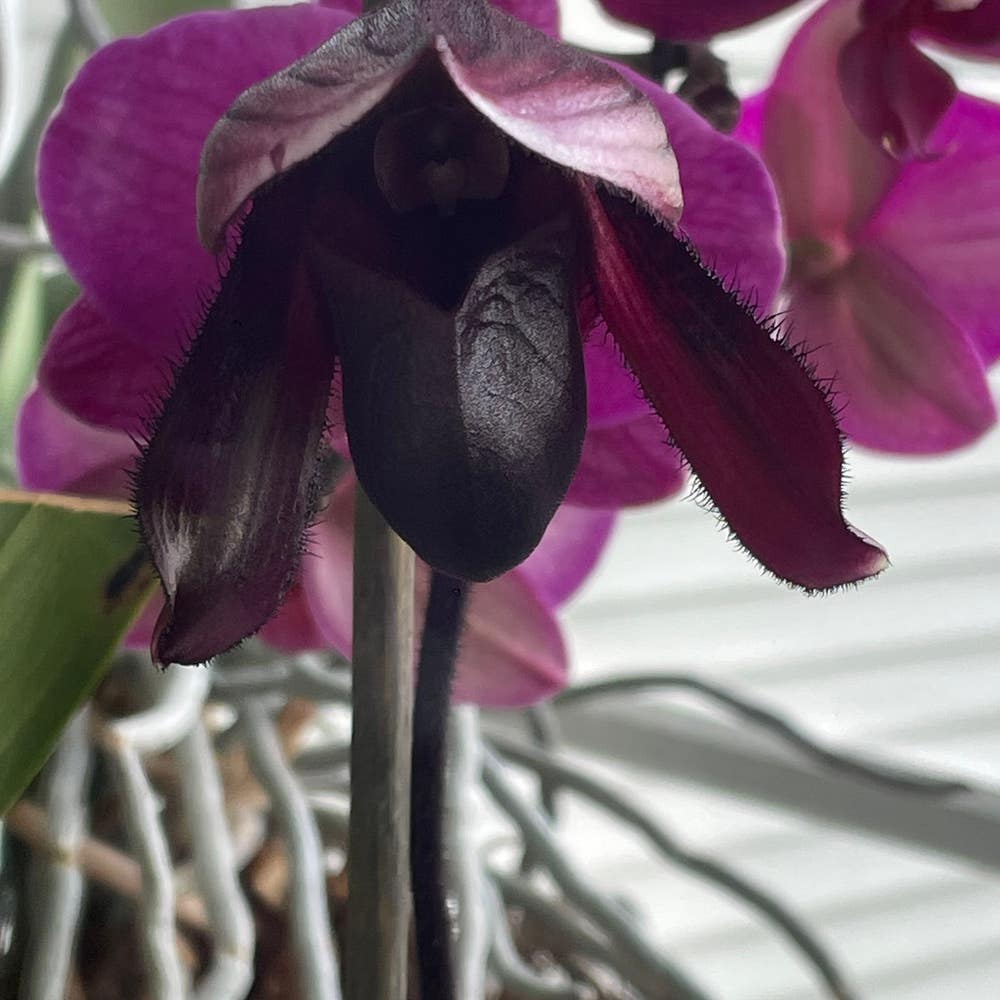
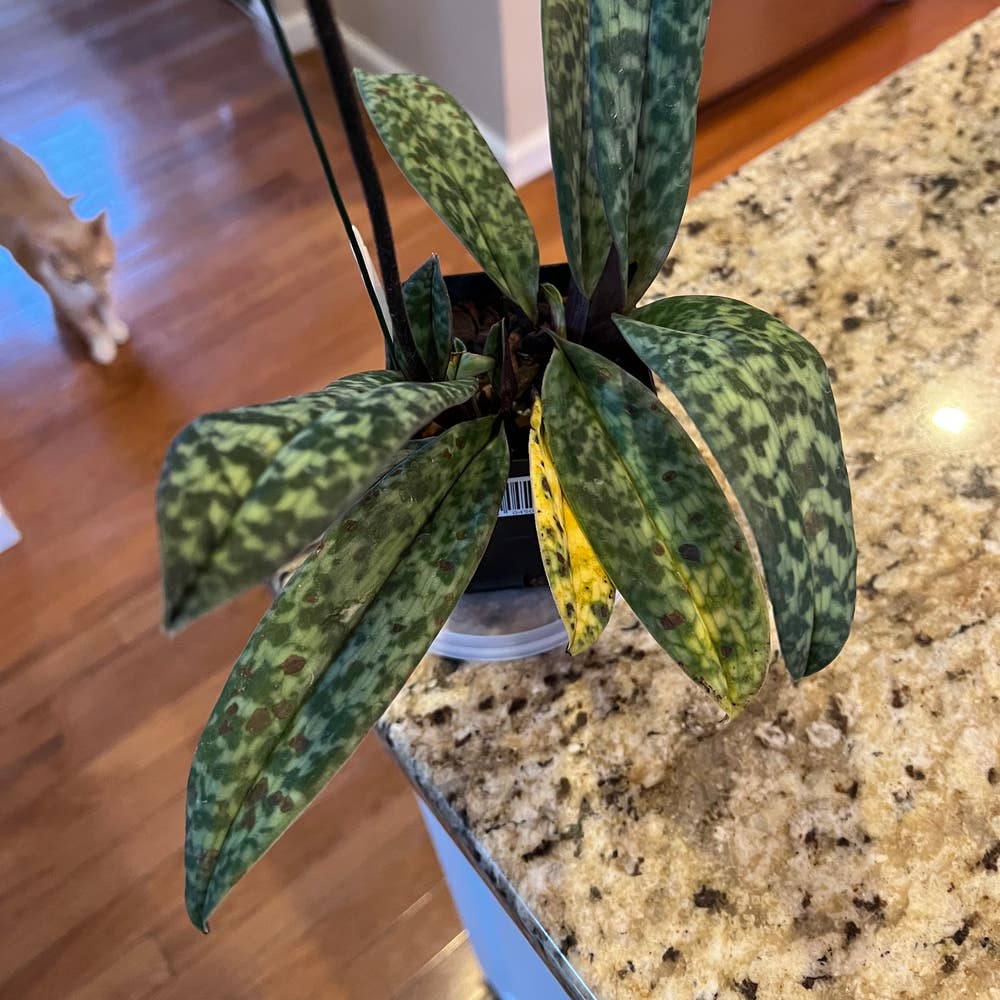
Paphiopedilum hirsutissimum
By the Greg Editorial Team
Nov 09, 2024•5 min read
This article was created with the help of AI so we can cover more plants for you. May contain errors. See one? Report it here.
Master the art of caring for Paphiopedilum orchids 🌸 with essential tips on light, water, and soil for vibrant blooms!
- 🌞 Paphiopedilum thrives in bright, indirect light; avoid direct sun to prevent leaf scorch.
- 💧 Water when the top inch of soil is dry; adjust frequency with seasons.
- 🐛 Regularly check for pests like aphids; early detection is key to orchid health.
Sunlight Requirements
Ideal Conditions 🌞
Paphiopedilum orchids thrive in bright, indirect light. Direct sunlight can scorch their delicate leaves, so it's crucial to provide the right exposure.
Aim for optimal light levels of 50-70% shade. If your growing area lacks this, consider using shade cloth to filter the sunlight effectively.
Signs of Insufficient or Excessive Light 🚦
Recognizing the signs of light issues is essential for your orchid's health. If you notice stretched growth or pale leaves, your Paphiopedilum may not be getting enough light.
Conversely, if you see leaf burn or crispy edges, it’s a clear indication that your plant is receiving too much light. Adjusting its position can help restore balance and vitality.
Understanding these light requirements will set the foundation for a thriving Paphiopedilum. Next, let’s explore their watering needs and techniques to keep them hydrated and healthy.
Watering Needs and Techniques
Watering Frequency 🌧️
Watering your Paphiopedilum is crucial for its health. A good rule of thumb is to water when the top inch of soil feels dry.
Adjust your watering frequency based on the seasons. During warmer months, you should increase how often you water, while in cooler months, reduce it to prevent over-saturation.
Watering Techniques 💧
The best way to water your orchid is to do it thoroughly. Ensure that water drains from the bottom of the pot, which helps keep the roots hydrated without drowning them.
To avoid overwatering, make sure your pots have drainage holes and use a well-draining soil mix. This simple step can save your plant from root rot and other moisture-related issues.
By mastering these watering techniques, you’ll set your Paphiopedilum up for success. Next, let’s explore the ideal soil preferences and fertilization practices to keep your orchid thriving.
Soil Preferences and Fertilization
🌱 Ideal Soil Composition
For your Paphiopedilum, the right soil mix is crucial. A blend of orchid bark, perlite, and sphagnum moss provides excellent aeration and moisture retention.
This combination ensures that the roots can breathe while still absorbing the necessary water. Aim for a soil pH that is slightly acidic to neutral, ideally between 5.5 and 7.0, to keep your plant thriving.
📅 Fertilization Schedule
Fertilizing your Paphiopedilum is essential for robust growth. A general rule of thumb is to fertilize every 4-6 weeks during the growing season, which spans spring and summer.
Opt for a balanced, water-soluble orchid fertilizer, such as a 30-10-10 mix. This will provide the nutrients your plant needs to flourish and produce stunning blooms.
With the right soil and fertilization practices, your Paphiopedilum will be well-equipped to thrive outdoors. Next, let’s explore the best planting options and how to protect your plant from the elements.
Planting Options and Weather Protection
🌱 Container vs. Ground Planting
When deciding between container and ground planting for your Paphiopedilum, consider the benefits of each. Container planting offers mobility, allowing you to easily move your orchids to optimize light and temperature conditions.
However, container planting has its drawbacks. Limited root space can restrict growth, and temperature fluctuations may stress the plant.
On the other hand, ground planting provides natural moisture retention and a stable temperature environment. This can lead to healthier plants in the long run.
Yet, ground planting isn't without challenges. You lose some control over soil conditions and may face increased vulnerability to pests.
☔️ Strategies for Weather Protection
Protecting your Paphiopedilum from extreme weather is crucial for its health. During hot spells, consider using shade cloth or positioning your plants near taller plants to provide some relief from direct sunlight.
In colder months, frost can be a real threat. Utilize frost cloths or blankets to shield your orchids during unexpected cold snaps, ensuring they stay warm and protected.
By carefully choosing your planting method and implementing effective weather protection strategies, you can create an ideal environment for your Paphiopedilum to thrive. Next, let’s delve into pest and disease management to keep your orchids healthy year-round.
Pest and Disease Management and Seasonal Care
🐜 Common Outdoor Pests
When caring for your Paphiopedilum outdoors, be vigilant about pests. Aphids are a common nuisance; you'll notice curled leaves and a sticky residue on the plant.
Mealybugs are another threat, identifiable by their cotton-like clusters on leaves and stems. Regular checks can help you catch these pests early.
🌱 Seasonal Care Tips
Seasonal changes require adjustments in care. In spring, focus on repotting and start fertilizing to kickstart growth.
During summer, increase watering and stay alert for pests, as they thrive in warmer weather.
As fall approaches, reduce watering and prepare your plant for dormancy. Finally, in winter, protect your Paphiopedilum from frost and keep an eye on humidity levels.
🛡️ Preventative Measures for Pest Control
Preventing pest infestations is crucial for healthy plants. Conduct regular inspections at least once a week to catch any issues early.
Consider companion planting with species like marigolds, which naturally repel pests. This strategy not only protects your Paphiopedilum but also enhances your garden's biodiversity.
With these pest management strategies and seasonal care tips, your Paphiopedilum will thrive outdoors. Next, let’s explore the best soil preferences and fertilization techniques to keep your plant healthy and vibrant.
⚠️ Safety First
This content is for general information and may contain errors, omissions, or outdated details. It is not medical, veterinary advice, or an endorsement of therapeutic claims.
Always consult a qualified healthcare professional before using any plant as food, medicine, or supplement.
Never eat any plant (or feed one to pets) without confirming its identity with at least two trusted sources.
If you suspect poisoning, call Poison Control (800) 222-1222, the Pet Poison Helpline (800) 213-6680, or your local emergency service immediately.
Spotted an error? Please report it here.
Elevate your Paphiopedilum care with these outdoor hacks 🌿, and let Greg provide tailored reminders and expert tips to keep your orchids thriving all season long!