Ultimate Guide to Direct Sunlight for Paphiopedilum ☀️
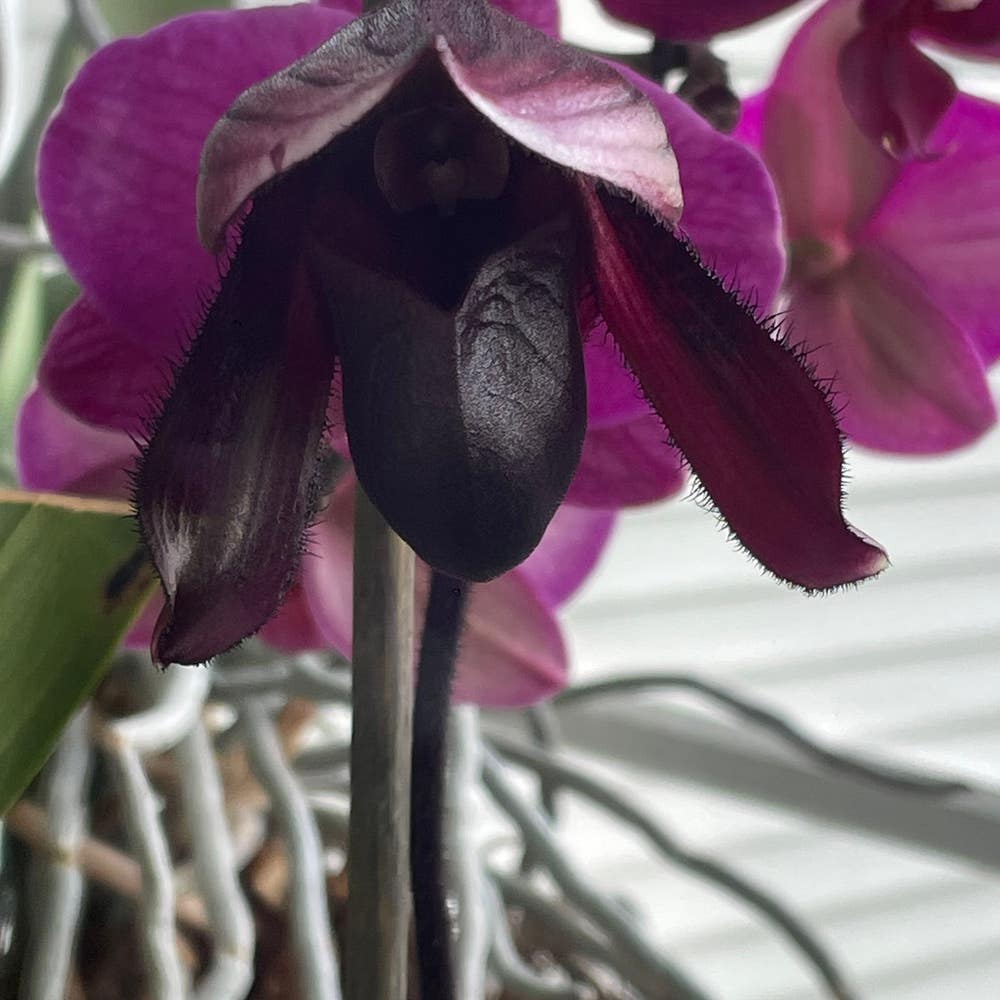
Paphiopedilum hirsutissimum
By the Greg Editorial Team
Nov 09, 2024•5 min read
This article was created with the help of AI so we can cover more plants for you. May contain errors. See one? Report it here.
Unlock vibrant blooms for your Paphiopedilum 🌸 by mastering its light needs and avoiding sunburn! ☀️
- 🌞 Paphiopedilum thrives in bright, indirect light; direct sunlight can harm it.
- 🚫 Too much sunlight causes yellowing leaves and stunted growth; monitor exposure closely.
- 🪴 Ideal placement is east or north-facing windows; adjust for seasonal sunlight changes.
Paphiopedilum and Direct Sunlight
🌞 Light Needs and Tolerance
Does Paphiopedilum need direct sunlight? The answer is no. These beautiful orchids thrive in bright, indirect light, making them perfect for indoor environments where sunlight is filtered.
Can Paphiopedilum tolerate direct sunlight? Their tolerance is limited. While they can handle brief periods of direct exposure, prolonged sunlight can lead to serious issues.
🔆 Effects of Too Much Direct Sunlight
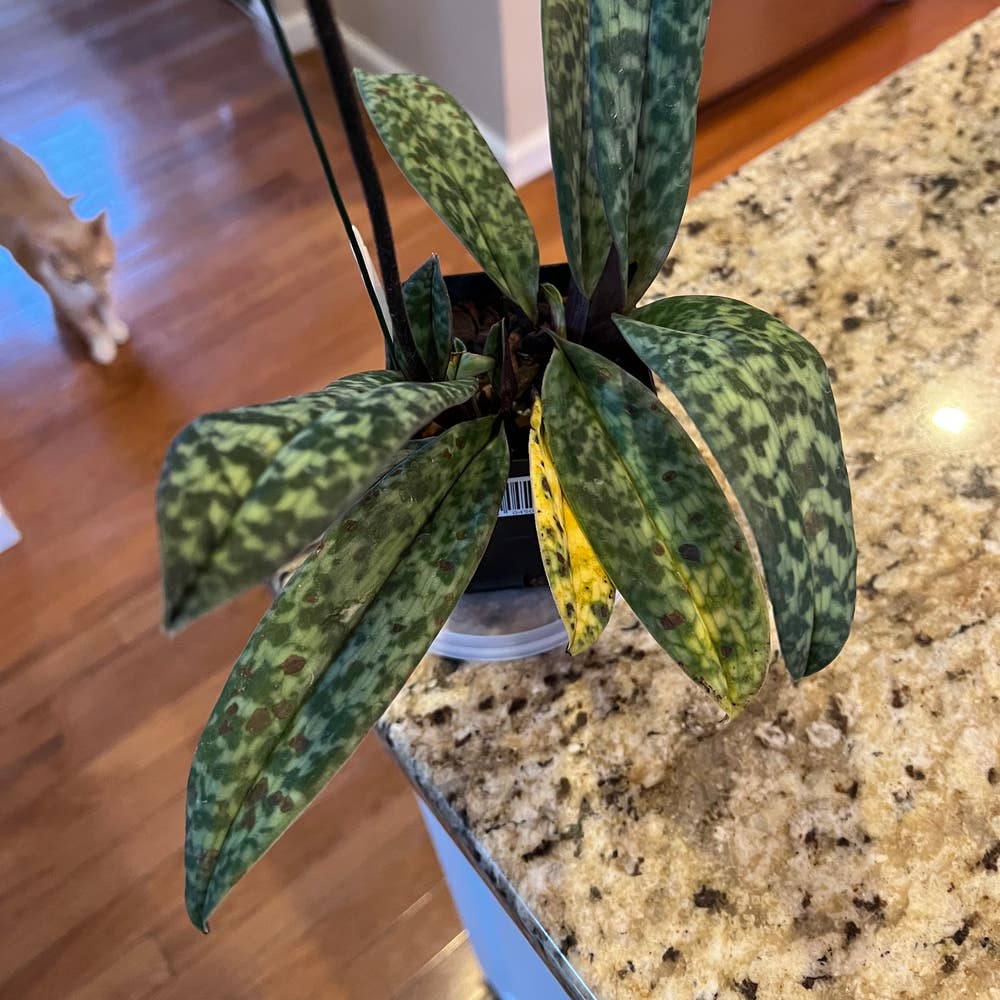
What happens when Paphiopedilum gets too much direct sunlight? Symptoms include yellowing leaves, scorched tips, and stunted growth. If you notice these signs, it’s a clear indication that your plant is struggling.
Long-term exposure to direct sunlight can have even more severe consequences. It can lead to reduced blooming and a decline in overall plant health, making it crucial to monitor their light conditions closely.
Understanding these light needs will help you keep your Paphiopedilum healthy and vibrant. Next, let’s explore how window direction plays a significant role in providing the right amount of sunlight.
Window Direction and Sunlight
🌅 Importance of Window Direction
The direction your window faces plays a crucial role in how much sunlight your Paphiopedilum receives. Ideally, these orchids thrive in bright, indirect light, making east and north-facing windows the best choices for optimal growth.
🌍 How Sunlight Varies by Hemisphere
Sunlight intensity can vary significantly depending on your location. In the Northern Hemisphere, summer brings stronger rays, so consider using shades during peak hours to protect your plant. Conversely, those in the Southern Hemisphere should also adjust their care based on seasonal changes to ensure their Paphiopedilum gets just the right amount of light.
🪴 Best Window Placements for Paphiopedilum
For the best results, place your Paphiopedilum near east or north windows. These positions provide the gentle light that these orchids crave. On the other hand, avoid south-facing windows without any filtering, as they can expose your plant to too much direct sunlight, leading to potential damage.
By understanding the importance of window direction and making thoughtful placements, you can create an ideal environment for your Paphiopedilum. This attention to detail will help ensure your orchid flourishes and blooms beautifully.
Seasonal Considerations
🌞 Seasonal Changes in Sunlight Intensity
Sunlight intensity fluctuates throughout the year, with summer rays being much stronger than those in winter. This variation means that your Paphiopedilum may need different care as the seasons change.
🌱 Adjusting Light Exposure Throughout the Year
To ensure your plant thrives, consider moving it closer to windows during the winter months when light is scarce. In the summer, sheer curtains can help diffuse harsh sunlight, protecting your plant from potential damage.
Regularly monitor your Paphiopedilum's response to these adjustments. Observing how your plant reacts will guide you in making necessary changes to its light exposure.
By staying attentive to seasonal shifts, you can provide the optimal environment for your Paphiopedilum, ensuring it remains healthy and vibrant year-round.
Common Misconceptions
🌞 Myths About Paphiopedilum and Sunlight
One common myth is that Paphiopedilum orchids need full sun to thrive. In reality, these beautiful plants prefer bright, indirect light and can suffer from leaf burn and other damage if exposed to direct sunlight for too long.
💡 Clarifying Light Needs for Different Orchid Types
Not all orchids have the same light requirements. While some orchids can tolerate more intense light, Paphiopedilum is more sensitive and requires careful attention to its light conditions.
Understanding the specific needs of your Paphiopedilum is crucial for its health and blooming potential. Knowledge about different orchid species helps you provide the best care possible, ensuring your plant flourishes.
As you navigate the world of orchid care, remember that each type has its unique preferences. This awareness will empower you to create the ideal environment for your Paphiopedilum, setting the stage for vibrant growth and stunning blooms.
With these insights, you're better equipped to foster a thriving orchid collection. Next, let’s explore practical tips for plant parents to ensure optimal light exposure for their beloved plants.
Practical Tips for Plant Parents
🌞 Signs of Too Much or Too Little Sunlight
Recognizing the signs of improper sunlight exposure is crucial for your Paphiopedilum's health. If your plant is getting too much sunlight, you may notice leaf burn, yellowing leaves, and wilting.
On the flip side, too little sunlight can lead to stretched growth, small leaves, and a lack of blooms. Keeping an eye on these indicators will help you adjust conditions promptly.
📏 How to Measure Sunlight Exposure
Measuring sunlight exposure can be straightforward with the right tools. A light meter or a smartphone app can help you gauge light intensity effectively.
Additionally, regular observation of your plant's health is essential. Look for visual cues that indicate whether adjustments are needed.
🌱 Adjusting Light Conditions for Optimal Growth
Creating the perfect light environment for your Paphiopedilum involves a few practical techniques. You can use sheer curtains to diffuse harsh sunlight, relocate your plants to more suitable spots, or even employ grow lights if necessary.
Remember, gradual changes are key. Sudden shifts in light exposure can shock your plant, so take your time to ensure a smooth transition.
By staying attentive to your plant's needs and adjusting accordingly, you can foster a thriving environment for your Paphiopedilum. Next, let’s explore some common misconceptions about sunlight and these beautiful orchids.
⚠️ Safety First
This content is for general information and may contain errors, omissions, or outdated details. It is not medical, veterinary advice, or an endorsement of therapeutic claims.
Always consult a qualified healthcare professional before using any plant as food, medicine, or supplement.
Never eat any plant (or feed one to pets) without confirming its identity with at least two trusted sources.
If you suspect poisoning, call Poison Control (800) 222-1222, the Pet Poison Helpline (800) 213-6680, or your local emergency service immediately.
Spotted an error? Please report it here.
Keep your Paphiopedilum orchids thriving 🌱 by using Greg's tailored light tips and monitoring tools to ensure they get just the right amount of indirect sunlight!