Paphiopedilum: Not an Invasive Plant 🌺
Paphiopedilum hirsutissimum
By the Greg Editorial Team
Nov 09, 2024•5 min read
This article was created with the help of AI so we can cover more plants for you. May contain errors. See one? Report it here.
Elevate your garden's beauty and biodiversity 🌼 with the enchanting Paphiopedilum orchids!
- 🌱 Paphiopedilum orchids are non-invasive, thriving in shaded, humid environments.
- 🐝 They attract pollinators, enhancing biodiversity and supporting a balanced ecosystem.
- 🌼 With proper care, these orchids can thrive for decades, beautifying your garden.
Growth Habits
Typical Growth Patterns 🌱
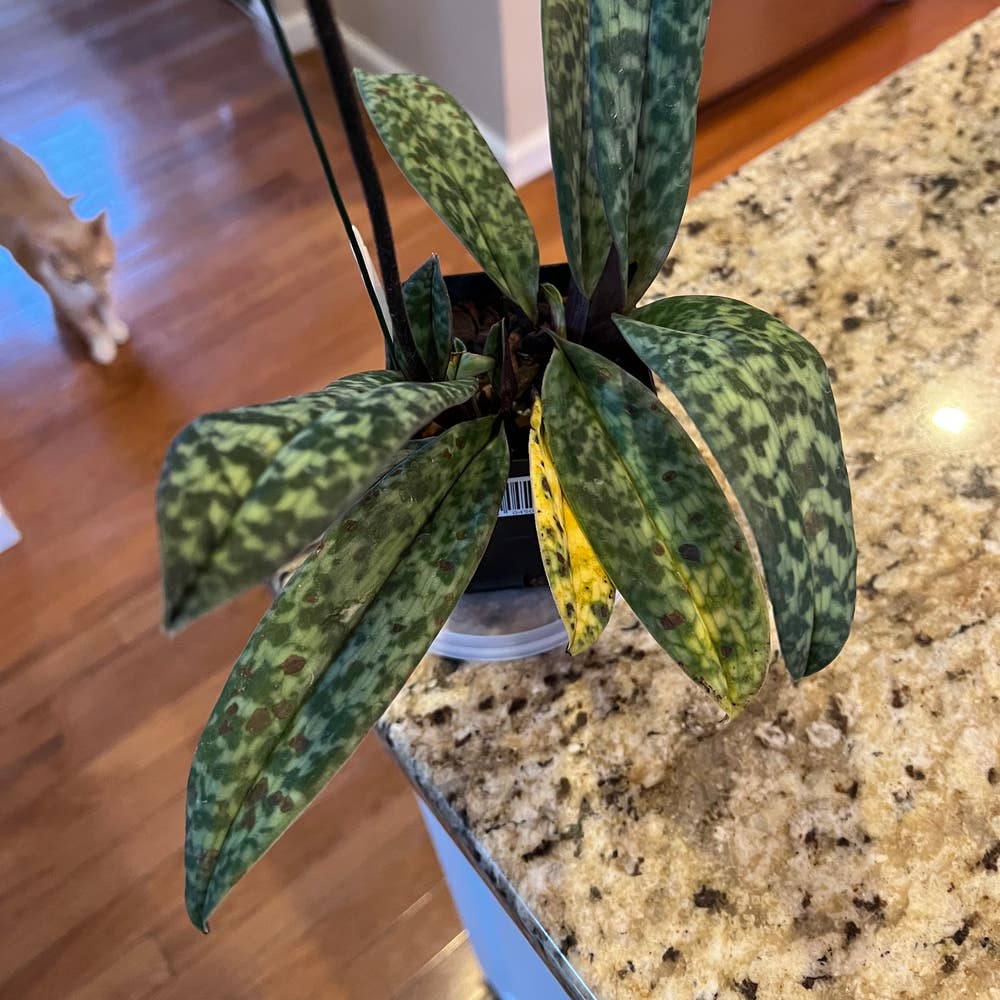
Paphiopedilum orchids exhibit a charming clumping habit, characterized by rosettes of lush green leaves. These beauties typically bloom in spring and summer, showcasing their stunning flowers that thrive in shaded areas with high humidity.
Natural Limits to Growth 🚧
These orchids are known for their slow growth rate, often taking several years to reach maturity. Their limited natural spread is due to specific habitat requirements, making proper care essential for maintaining their health and vigor.
By understanding these growth habits, you can appreciate the unique nature of Paphiopedilum orchids and how they fit into your garden. Next, let’s explore their ecological role and the benefits they bring to your outdoor space.
Ecological Role
🌼 Benefits in Gardens
Paphiopedilum orchids are not just beautiful; they play a vital role in enhancing biodiversity. Their unique floral displays attract a variety of pollinators, including bees and butterflies, making them a valuable addition to any garden.
These orchids bloom seasonally, offering vibrant colors and shapes that can brighten shaded areas. By incorporating them into your garden, you create a more dynamic ecosystem that supports various forms of wildlife.
🦋 Positive Interactions with Wildlife
Paphiopedilum orchids thrive through symbiotic relationships with fungi, which help them absorb essential nutrients. This partnership is crucial for their growth and health, showcasing the interconnectedness of garden ecosystems.
Additionally, these orchids provide habitats and food sources for beneficial insects. By fostering a welcoming environment for these creatures, you contribute to a balanced and thriving garden ecosystem.
Incorporating Paphiopedilum into your garden not only beautifies your space but also supports ecological health. This makes them a fantastic choice for gardeners looking to make a positive impact on their environment.
As we explore how to manage these orchids effectively, consider how their ecological benefits can enhance your gardening experience.
Garden Management
Incorporating into Designs 🌿
Paphiopedilum orchids thrive in shaded areas, making them perfect for spots under trees or in rock gardens. Their unique appearance adds a touch of elegance to any garden design.
Companion planting is a great strategy for these orchids. Pair them with other shade-loving plants to create a vibrant, diverse garden that enhances both aesthetics and ecological balance.
Growth Control Methods ✂️
Managing the growth of Paphiopedilum is essential for maintaining their health and beauty. Here are some effective methods:
Regular pruning: Keep your plants looking their best by removing any dead or damaged leaves. This not only improves appearance but also encourages new growth.
Dividing clumps: Every 2-3 years, divide the clumps to manage their size and promote healthier plants. This practice also allows you to propagate new plants.
Container gardening: Growing Paphiopedilum in containers can limit their spread and make it easier to move them around as needed. This method is particularly useful for those with limited garden space.
By incorporating these strategies, you can enjoy the beauty of Paphiopedilum while ensuring they remain manageable and healthy. Next, we’ll explore how these orchids compare to other non-invasive plants in the garden.
Comparison to Other Plants
🌱 Similar Non-Invasive Plants
Paphiopedilum shares its non-invasive nature with other orchids like Phalaenopsis and Dendrobium. While they all belong to the orchid family, their growth habits and environmental needs can differ significantly.
Phalaenopsis orchids, for instance, are known for their flat, broad leaves and can thrive in lower light conditions. In contrast, Dendrobium orchids often prefer brighter light and can grow in a more upright fashion. Understanding these nuances helps gardeners choose the right orchid for their specific environment.
🌟 Unique Qualities
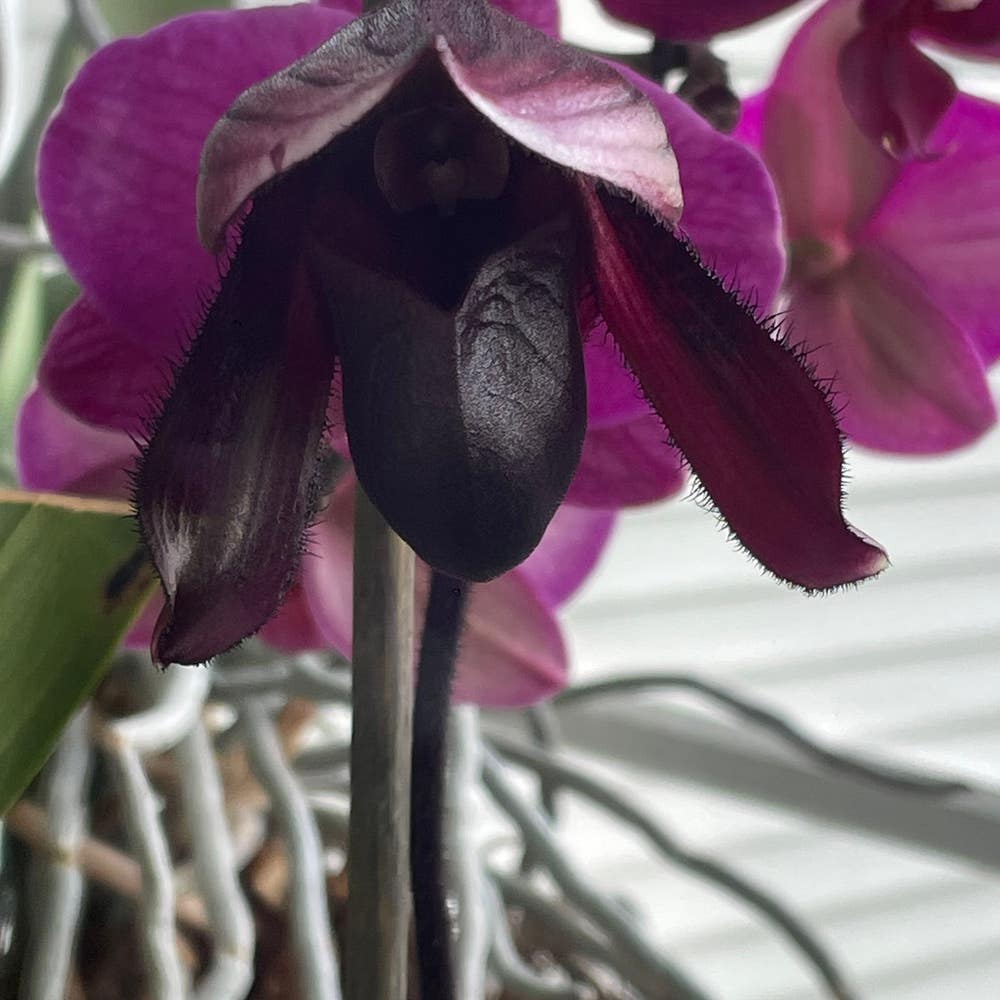
What sets Paphiopedilum apart are its distinctive slipper-shaped flowers, which come in a variety of colors and patterns. This unique morphology not only adds visual interest but also plays a role in attracting specific pollinators.
Additionally, Paphiopedilum has a longer lifespan compared to many other non-invasive plants. With proper care, these orchids can thrive for decades, making them a lasting addition to any garden. Their longevity and beauty make them a worthwhile investment for both novice and experienced gardeners alike.
In summary, while Paphiopedilum shares some traits with other orchids, its unique characteristics and longer lifespan make it a standout choice for those looking to enhance their gardens. Next, we’ll explore the legal and environmental considerations surrounding the cultivation of these beautiful plants.
Legal and Environmental Considerations
🌍 Classifications and Guidelines
When cultivating Paphiopedilum orchids, it's essential to be aware of local regulations. Some regions have specific guidelines to protect native species and ensure sustainable practices.
Sourcing your orchids from reputable nurseries is crucial. This not only guarantees healthy plants but also supports ethical cultivation practices that respect the environment.
♻️ Role in Sustainable Practices
Paphiopedilum orchids play a vital role in promoting biodiversity and enhancing ecosystem health. By incorporating these unique plants into your garden, you contribute to a more diverse habitat.
Embracing organic gardening methods is another way to support the growth of these orchids. These practices not only benefit your plants but also foster a healthier environment for all living organisms in your garden.
Incorporating Paphiopedilum into your gardening routine not only beautifies your space but also aligns with sustainable practices that nurture the planet. As you plan your garden, consider how these orchids can enhance both your landscape and the ecosystem.
⚠️ Safety First
This content is for general information and may contain errors, omissions, or outdated details. It is not medical, veterinary advice, or an endorsement of therapeutic claims.
Always consult a qualified healthcare professional before using any plant as food, medicine, or supplement.
Never eat any plant (or feed one to pets) without confirming its identity with at least two trusted sources.
If you suspect poisoning, call Poison Control (800) 222-1222, the Pet Poison Helpline (800) 213-6680, or your local emergency service immediately.
Spotted an error? Please report it here.
Enhance your garden's beauty and biodiversity 🌼 with Paphiopedilum orchids, and let Greg provide tailored care reminders to help them thrive effortlessly!