🌸 Why Paphiopedilum Is A Perennial Plant
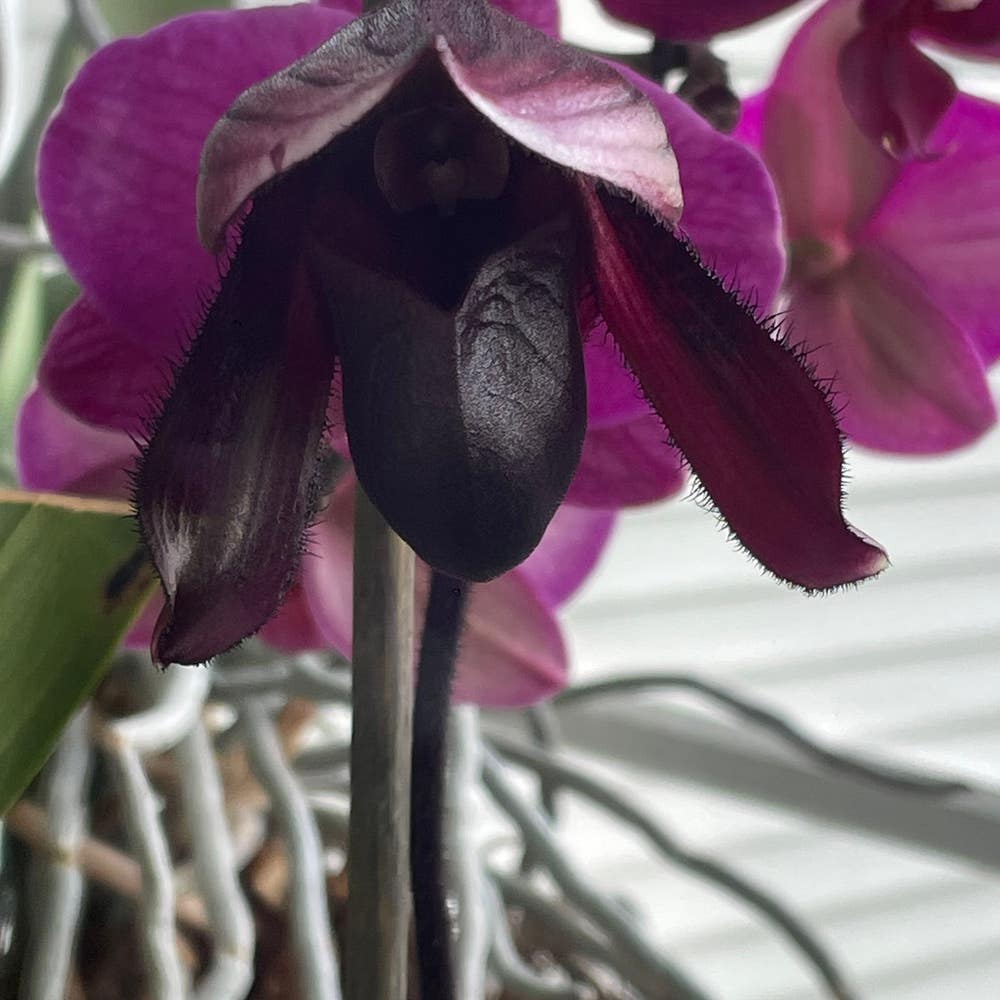
Paphiopedilum hirsutissimum
By the Greg Editorial Team
Nov 09, 2024•5 min read
This article was created with the help of AI so we can cover more plants for you. May contain errors. See one? Report it here.
Unlock the secret to thriving Paphiopedilum orchids 🌸 that bloom beautifully for years with simple care tips! 🌱
- 🌱 Paphiopedilum orchids thrive for 5-10 years, showcasing their perennial nature.
- 🌿 They regrow from the same roots, ensuring longevity and resilience in gardens.
- 🌞 Environmental factors like light and temperature are crucial for their blooming cycles.
Characteristics that Classify Paphiopedilum as Perennial
🌱 Multi-Year Lifecycle
Paphiopedilum, commonly known as lady's slipper orchids, exhibit a fascinating multi-year lifecycle. This lifecycle includes distinct stages: germination, growth, flowering, and dormancy, each playing a crucial role in the plant's longevity.
The ability of Paphiopedilum to regrow from the same root system is vital for its perennial nature. Established roots not only support the plant but also store energy, ensuring it can thrive year after year.
📈 Growth Patterns
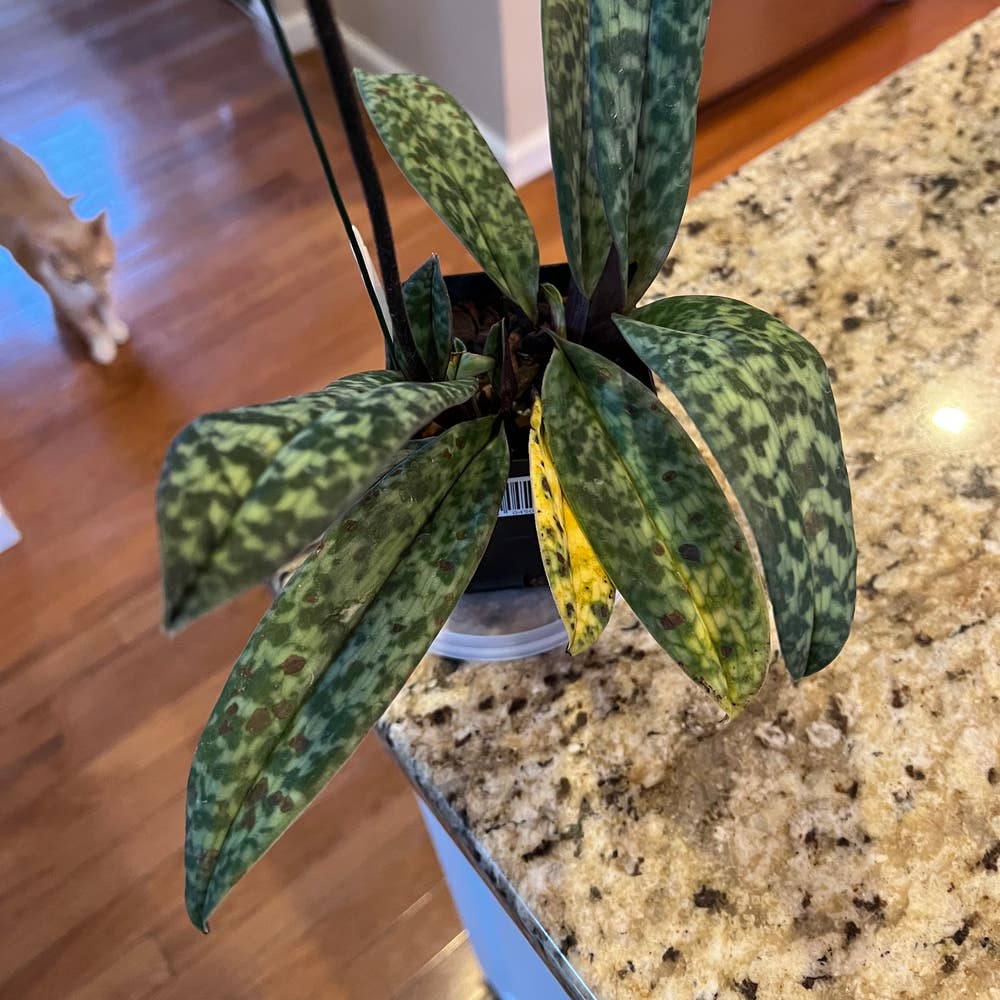
When it comes to growth patterns, Paphiopedilum is known for its slow but steady development. These orchids typically form rosettes of leaves, creating a lush appearance that adds beauty to any space.
During periods of regrowth, Paphiopedilum utilizes the energy stored in its roots. This characteristic allows the plant to push out new growth even after a dormant phase, showcasing its resilience and adaptability.
Understanding these characteristics is essential for any gardener looking to cultivate Paphiopedilum successfully. With the right care, these orchids can flourish, providing stunning blooms and a lasting presence in your garden.
As we delve deeper into the impact of their perennial nature, we’ll explore how these traits influence flowering cycles and overall longevity.
Impact of Perennial Nature on Growth and Flowering
🌸 Flowering Cycles
The perennial nature of Paphiopedilum significantly influences its flowering cycles. These plants typically bloom at specific times of the year, with the timing and frequency of blooms largely dictated by their established growth patterns.
Light, temperature, and care practices play crucial roles in determining when these orchids will flower. For instance, adequate light exposure can trigger blooming, while temperature fluctuations can either encourage or delay the process. Understanding these factors allows gardeners to optimize conditions for a vibrant display of flowers.
⏳ Lifespan and Longevity
Paphiopedilum orchids are known for their impressive lifespan, often living for several years with proper care. When nurtured in suitable environments, these plants can thrive for 5 to 10 years or even longer.
However, their longevity is influenced by various factors, including environmental conditions, care practices, and disease resistance. Providing consistent care and monitoring for potential issues can help ensure these beautiful plants remain healthy and vibrant for years to come.
As we explore the dormancy and seasonal changes of Paphiopedilum, it’s essential to recognize how these factors further impact their growth and flowering potential.
Dormancy and Seasonal Changes
Dormancy Periods 🌙
Paphiopedilum orchids experience dormancy during the cooler months, a natural phase when their growth significantly slows or even ceases. During this time, you might notice signs like yellowing leaves and reduced water uptake, indicating that your plant is conserving energy.
Seasonal Changes 🍂
As the seasons shift, so do the care requirements for your Paphiopedilum. During dormancy, the focus should be on minimal watering and reduced fertilization, while active growth periods call for more attention to light and moisture levels.
Understanding these seasonal adaptations is crucial for maintaining the health and flowering potential of your plant. Proper care during dormancy not only supports the plant's recovery but also sets the stage for vibrant blooms when growth resumes.
With this knowledge, you can ensure your Paphiopedilum thrives through its cycles, leading to a flourishing display of flowers in the right season. Next, we’ll explore the advantages of Paphiopedilum's perennial nature and how it benefits gardeners.
Advantages of Paphiopedilum's Perennial Nature
🌱 Benefits for Gardeners
One of the standout advantages of Paphiopedilum orchids is their reduced need for replanting. This means that once you invest in a single plant, you can enjoy its beauty for years without the hassle of frequent replacements.
Additionally, these orchids develop established root systems that enhance their resilience and adaptability. A strong root system not only supports the plant's growth but also helps it withstand environmental stresses, making it a reliable choice for gardeners.
⏳ Lifespan Expectations
When cared for properly, Paphiopedilum can live for 5-10 years or even longer. This longevity is a significant draw for plant enthusiasts who appreciate the long-term commitment of nurturing a perennial.
However, several factors influence their lifespan. Climate conditions, watering practices, and nutrient availability all play crucial roles in determining how well your Paphiopedilum thrives over the years. By understanding these elements, you can maximize the health and longevity of your plant.
In summary, the perennial nature of Paphiopedilum not only simplifies gardening but also offers a rewarding experience that can last for years. As we move forward, let’s explore how dormancy and seasonal changes affect these fascinating plants.
Variations Across Climate Zones
🌡️ Climate Impact on Growth
Climate zones play a crucial role in the growth of Paphiopedilum orchids. These plants adapt to varying temperatures and humidity levels, which directly influence their health and flowering.
In tropical climates, Paphiopedilum thrives with consistent warmth and high humidity. Conversely, in temperate zones, they may require more care to manage temperature fluctuations and lower humidity levels. Understanding these adaptations is key to successful cultivation.
🌱 Tips for Garden Planning
When planning your garden, consider selecting Paphiopedilum varieties that are well-suited to your climate. Hardier varieties can withstand local conditions better, ensuring a more robust growth cycle.
Additionally, adjust your care practices based on seasonal changes. This includes modifying watering schedules and providing appropriate light levels to enhance the plant's perennial benefits. By tailoring your approach, you can maximize the longevity and beauty of your Paphiopedilum orchids.
As you explore the nuances of growing these stunning plants, remember that understanding their climate needs is essential for thriving blooms and a healthy garden.
⚠️ Safety First
This content is for general information and may contain errors, omissions, or outdated details. It is not medical, veterinary advice, or an endorsement of therapeutic claims.
Always consult a qualified healthcare professional before using any plant as food, medicine, or supplement.
Never eat any plant (or feed one to pets) without confirming its identity with at least two trusted sources.
If you suspect poisoning, call Poison Control (800) 222-1222, the Pet Poison Helpline (800) 213-6680, or your local emergency service immediately.
Spotted an error? Please report it here.
Cultivate your Paphiopedilum orchids for years of vibrant blooms 🌼 with Greg's tailored care tips and reminders that ensure your lady's slipper thrives through every season!