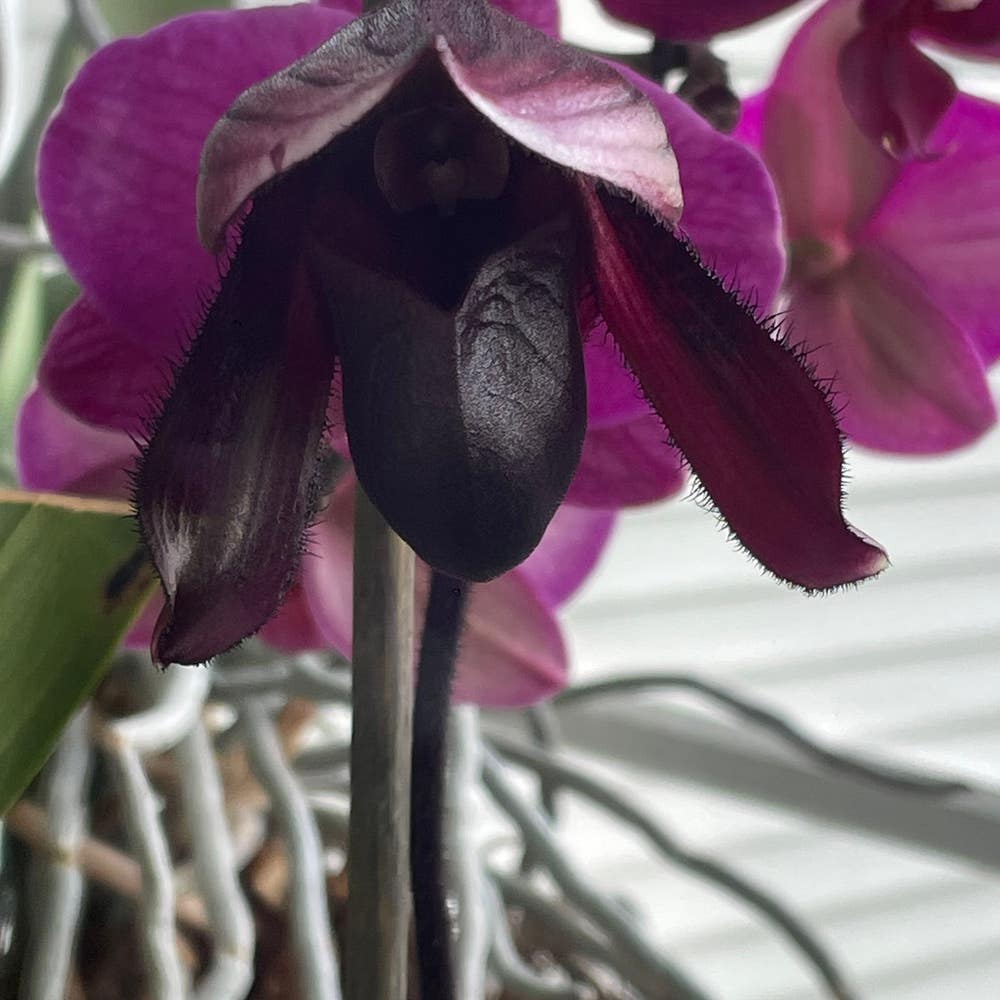
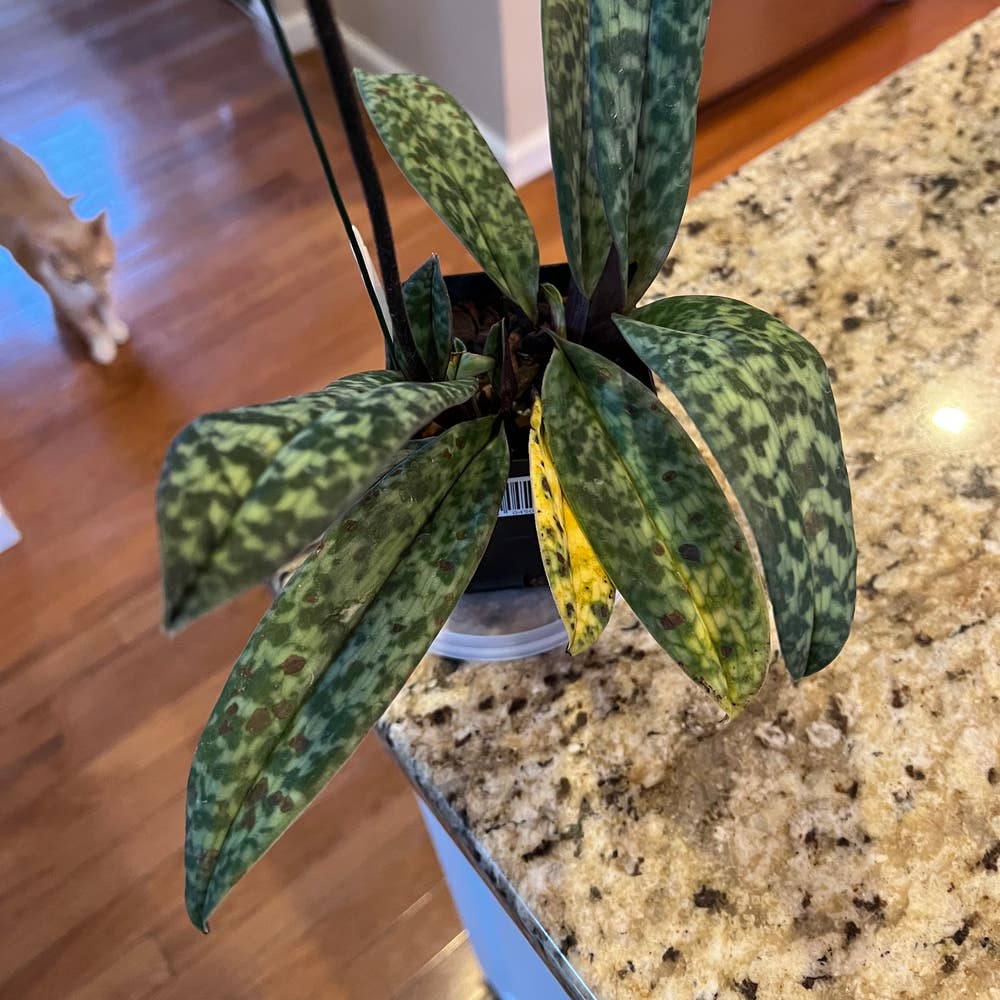
🌸 Introduction to Hairy Slipper Orchid
Paphiopedilum hirsutissimum
By the Greg Editorial Team
Feb 02, 2025•13 min read
This article was created with the help of AI so we can cover more plants for you. May contain errors. See one? Report it here.
Elevate your home with the stunning Hairy Slipper Orchid 🌱 and master its care for vibrant blooms!
- 🌞 Hairy Slipper Orchids thrive in bright, indirect sunlight and humidity levels of 50-70%.
- 🌱 Use well-draining orchid mix and water every 1-2 weeks for optimal growth.
- 🐾 This orchid is non-toxic to pets, making it a safe household plant choice.
How to Grow
🌞 Choosing a Location
To thrive, the Hairy Slipper Orchid needs bright, indirect sunlight. Aim for a temperature range of 20°C to 30°C (68°F to 86°F) and maintain humidity levels between 50% and 70%.
🌱 Soil Preparation
Use a well-draining, moisture-retentive orchid mix for optimal growth. The soil should be slightly acidic, with a pH level between 5.5 and 6.5.
🌿 Planting Techniques
Select pots with drainage holes to prevent waterlogging. When planting, ensure the crown of the plant is level with the soil surface for best results.
💧 Watering Requirements
Water your orchid every 1-2 weeks, allowing the top inch of soil to dry out between waterings. Be vigilant for signs of overwatering, like yellowing leaves, or underwatering, which may cause wilting.
🌼 Fertilizing Schedule
Fertilize every 4-6 weeks during the growing season to support healthy growth. A balanced orchid fertilizer with a ratio of 30-10-10 is recommended for optimal nutrient delivery.
✂️ Pruning Methods
Prune your orchid after flowering to encourage new growth. Focus on removing any dead or damaged leaves to keep the plant healthy.
🛠️ Ongoing Care Tips
Regularly monitor humidity and temperature levels to ensure a stable environment. Additionally, keep an eye out for pests and diseases to maintain your orchid's health.
With these guidelines, you'll be well on your way to cultivating a vibrant Hairy Slipper Orchid. Next, let's explore how to propagate this beautiful plant for even more growth opportunities.
Propagation
🌱 Seed Propagation
Seed propagation of the Hairy Slipper Orchid is a fascinating process. It begins with the germination of seeds, which requires specific conditions to thrive.
For successful germination, seeds need a warm, humid environment. Aim for temperatures around 20°C to 25°C (68°F to 77°F) and maintain high humidity levels. This creates the perfect atmosphere for those tiny seeds to sprout.
✂️ Division Method
Dividing mature plants is another effective propagation method. This technique allows you to create new plants while rejuvenating the parent orchid.
- Timing: The best time to divide your Hairy Slipper Orchid is in spring when the plant is actively growing.
- Tools: Use a clean, sharp knife to ensure a clean cut and minimize damage.
- Replanting: After dividing, replant the sections in suitable pots with fresh orchid mix. This will help them establish quickly.
By mastering these propagation techniques, you can expand your collection and share the beauty of the Hairy Slipper Orchid with others. Next, let’s explore the lifecycle of this captivating plant.
Lifecycle
🌱 Overview of Lifecycle Stages
The Hairy Slipper Orchid is a perennial plant, meaning it lives for multiple years. Its lifecycle consists of several distinct stages: seed or cutting, germination, seedling stage, vegetative growth, flowering, and seed production.
⏳ Germination Timeframe
Under optimal conditions, germination takes about 2-4 weeks. This is the crucial first step in the plant's journey.
🌸 Flowering After Planting
Typically, you can expect flowering to occur 1-2 years after planting. This period allows the plant to establish itself and gather strength.
📏 Growth Duration
From seed to full maturity, the Hairy Slipper Orchid takes approximately 2-3 years. Patience is key, as this moderate growth rate depends heavily on the care conditions provided.
🌡️ Factors Influencing Growth Rate
Light, humidity, and temperature all play significant roles in determining how quickly your orchid will thrive. Adjusting these factors can lead to a more vibrant and flourishing plant.
As you nurture your Hairy Slipper Orchid through its lifecycle, you'll witness the beauty of its growth stages. Next, let's explore the size of this captivating plant and what to expect as it matures.
Size
Mature Height and Spread 🌱
The Hairy Slipper Orchid typically reaches a mature height of 12 to 18 inches (30 to 45 cm). Its spread can range from 12 to 24 inches (30 to 60 cm), making it a lovely addition to any space.
Growth Rate 📈
Several factors influence the growth rate of this orchid, including light, humidity, and temperature. Providing optimal conditions can significantly enhance its growth potential.
Size Variability Based on Conditions 🌦️
The size of the Hairy Slipper Orchid can vary based on its growing conditions. For instance, orchids grown in brighter light and higher humidity often achieve their maximum dimensions, while those in less favorable conditions may remain smaller.
Understanding these aspects can help you cultivate a thriving Hairy Slipper Orchid that fits perfectly in your home or garden. Now that you know about its size, let’s explore the roots of this fascinating plant.
Roots
Root System Characteristics 🌱
The Hairy Slipper Orchid features a fibrous root system that plays a crucial role in its overall health. These roots are essential for nutrient uptake and provide stability, allowing the plant to thrive in its environment.
Depth and Spread of Roots 📏
Typically, the roots of this orchid extend to a depth of 6-12 inches (15-30 cm). Their spread is directly related to the size of the pot, so choosing the right container is vital for optimal growth.
Common Root Issues ⚠️
Root rot is a common concern for orchid growers, often caused by overwatering or poor drainage. To prevent this, ensure your potting mix is well-draining and monitor watering habits closely.
Identifying Healthy vs. Unhealthy Roots 🔍
Healthy roots are firm and exhibit a white or light tan color. In contrast, unhealthy roots may show signs of discoloration or mushiness, indicating potential problems.
Recognizing Rootbound Plants 🪴
A rootbound plant has roots that circle the pot, which can hinder growth. Signs include stunted growth and roots emerging from drainage holes, signaling it's time to repot your orchid for better health.
In summary, understanding the root system of the Hairy Slipper Orchid is essential for its care. By monitoring root health and addressing any issues promptly, you can ensure your orchid thrives beautifully. Next, let's explore the benefits of growing this unique plant.
Benefits
Top 5 Benefits 🌟
1. Aesthetic Appeal
The Hairy Slipper Orchid boasts unique flowers that can elevate both indoor and outdoor spaces. Their striking appearance adds a touch of elegance and intrigue to any setting.
2. Air Purification
This orchid contributes to improved indoor air quality. By filtering toxins and releasing oxygen, it creates a healthier living environment.
3. Cultural Significance
Orchids have long been symbols of beauty and refinement in various cultures. Incorporating the Hairy Slipper Orchid into your home can add a layer of tradition and beauty.
4. Low Maintenance
Ideal for beginner orchid enthusiasts, this plant requires minimal care. Its straightforward growing conditions make it accessible for anyone looking to start their orchid journey.
5. Potential for Hybridization
The Hairy Slipper Orchid offers exciting opportunities for hybridization. This means you can experiment and create unique varieties, adding a personal touch to your collection.
Incorporating these benefits into your home not only enhances your space but also enriches your life. With its beauty and ease of care, the Hairy Slipper Orchid is a fantastic choice for any plant lover.
Next, let’s explore the concept of companion planting and how it can further enhance your gardening experience.
Companion Plants
🌱 Concept of Companion Planting
Companion planting is a gardening technique that involves growing different plants together for mutual benefits. This method can enhance pest management and promote improved growth, making it a smart choice for your Hairy Slipper Orchid.
🌿 Best Companion Plants
When selecting companions for your Hairy Slipper Orchid, consider humidity-loving plants like ferns and peace lilies. These plants thrive in similar conditions, creating a harmonious environment that supports healthy growth for all.
🚫 Plants to Avoid
Be cautious of plants that may compete for nutrients or have conflicting care needs. Avoid companions like succulents or cacti, as they prefer drier conditions and can hinder the growth of your orchid.
Incorporating the right companion plants can elevate your gardening experience. By fostering a supportive ecosystem, you not only enhance the beauty of your space but also ensure the health of your Hairy Slipper Orchid. Next, let’s explore the potential toxicity of this orchid to pets and humans.
Toxicity to Humans
The Hairy Slipper Orchid is not listed as toxic by major poison control centers, making it a safe choice for households. Generally, there is minimal risk of irritation when handling this beautiful plant.
However, it's always wise to exercise caution with any plant. If you experience unusual symptoms after contact, seeking medical advice is recommended to ensure your well-being.
By understanding the safety profile of the Hairy Slipper Orchid, you can enjoy its beauty without worry. This knowledge allows you to appreciate its unique charm while keeping your environment safe.
As we explore the next section, let's delve into the plant's safety around pets, particularly dogs.
Toxicity to Dogs
When it comes to the Hairy Slipper Orchid, dog owners can breathe a sigh of relief. This plant is not listed as toxic by major pet poison control centers, making it a safe choice for homes with furry friends.
While the risk of toxicity is low, it's important to note that consuming large quantities may lead to mild gastrointestinal upset in dogs. Keeping an eye on your pet's behavior around the plant is always a good idea.
🌱 Tips for Introducing the Plant
To ensure a harmonious coexistence between your Hairy Slipper Orchid and your dog, consider these simple tips:
Proper Placement: Position the orchid in a spot that's out of reach of curious paws. High shelves or hanging planters can work wonders.
Monitoring: Regularly check your dog's interactions with the plant. If they show interest, redirect their attention to their toys or other safe plants.
By following these guidelines, you can enjoy the beauty of your Hairy Slipper Orchid without worrying about your dog's safety. Now, let's explore how to keep your orchid thriving amidst potential problems.
Toxicity to Cats
When it comes to the Hairy Slipper Orchid, cat owners can breathe a sigh of relief. This plant is not listed as toxic by major pet poison control centers, making it a safe choice for homes with feline friends.
While the risk of toxicity is low, it's still wise to monitor your cat's behavior around the plant. Eating large quantities may lead to mild gastrointestinal upset, so keep an eye out for any unusual symptoms.
🐾 Tips for Introducing the Plant to Homes with Cats
To ensure a harmonious coexistence, consider these practical tips:
Proper Placement: Position the orchid in areas that are less accessible to your cat. High shelves or hanging planters can deter curious paws.
Monitoring: Regularly check your cat's interactions with the plant. If they show interest, gently redirect them to safer toys or activities.
By following these guidelines, you can enjoy the beauty of the Hairy Slipper Orchid while keeping your feline companions safe and happy. Transitioning to a pet-friendly environment doesn’t mean sacrificing style; it’s all about smart choices!
Problems
Common Problems 🌱
Growing a Hairy Slipper Orchid can be rewarding, but it comes with its challenges. Here are some common problems you might encounter:
Incorrect Watering: Overwatering can lead to root rot, while underwatering causes wilting. Look for signs like yellowing leaves for overwatering and dry, crispy edges for underwatering.
Incorrect Light Conditions: Insufficient light results in leggy growth, while too much light can scorch the leaves. If your orchid's leaves turn yellow or brown, it might be getting too much sun.
Incorrect Temperature: Temperature fluctuations can stress your plant. Watch for signs like drooping leaves or stunted growth, indicating your orchid is unhappy with its environment.
Diseases: Fungal issues, such as powdery mildew and root rot, can plague your orchid. Keep an eye out for white powdery spots or mushy roots, which signal a problem.
Leaf Issues: Scorching, yellowing, and fuzzy growth on leaves are signs of distress. These symptoms often indicate environmental stress or disease.
Identifying Symptoms and Causes 🔍
Understanding the symptoms is key to diagnosing problems.
- Overwatering Symptoms: Yellow leaves, mushy roots, and a foul smell from the soil.
- Underwatering Symptoms: Dry, crispy leaf edges and wilting.
- Insufficient Light Symptoms: Leggy growth and pale leaves.
- Excessive Light Symptoms: Brown, scorched leaf tips.
- Temperature Stress Symptoms: Drooping leaves and slow growth.
- Fungal Issues Symptoms: White powdery spots or black mold.
- Leaf Issues Symptoms: Yellowing, browning, or fuzzy growth.
Solutions for Each Problem 💡
Now that you know the symptoms, here are simple solutions to revive your Hairy Slipper Orchid:
Watering: Adjust your watering schedule. Water every 1-2 weeks, ensuring the top inch of soil dries out between waterings.
Light Conditions: Move your orchid to a location with bright, indirect sunlight. If it’s too bright, use sheer curtains to diffuse the light.
Temperature: Maintain a stable temperature between 20°C to 30°C (68°F to 86°F). Avoid placing your orchid near drafts or heat sources.
Diseases: For fungal issues, remove affected parts and treat with a fungicide. Ensure good air circulation around the plant.
Leaf Issues: Trim off damaged leaves and adjust care practices. Regularly check humidity levels and ensure proper watering.
With these tips, you can tackle common problems and keep your Hairy Slipper Orchid thriving. Next, let’s explore how to protect your orchid from pests and bugs that might disrupt its growth.
Bugs
🐜 Potential Pest Issues
While the Hairy Slipper Orchid is generally resilient, it can still fall victim to various pests. Keeping an eye out for these nuisances is essential to maintaining the health of your plant.
🔍 Identification of Pests
Common pests that may invade your orchid include spider mites, mealybugs, aphids, and whiteflies. Look for signs of infestation such as webbing, sticky residue on leaves, or visible insects crawling around.
⚠️ Damage Caused by Pests
Each pest can inflict specific types of damage. Spider mites can cause leaf discoloration and stippling, while mealybugs may lead to a sticky film and potential mold growth. Aphids can distort new growth, and whiteflies often cause yellowing leaves and overall plant stress.
🧴 Treatment Options
To combat these pests, consider using insecticidal soap or neem oil, both of which are effective and relatively safe for your orchid. Manual removal of pests can also be beneficial; simply wipe them off with a damp cloth or rinse the plant under lukewarm water.
By staying vigilant and addressing pest issues promptly, you can ensure your Hairy Slipper Orchid thrives in its environment. Next, let’s explore what animals might be interested in snacking on your beautiful plant.
What Eats Hairy Slipper Orchid
🦌 Common Animals That May Damage
Hairy Slipper Orchids can attract a variety of hungry critters. Common culprits include deer, rabbits, squirrels, and rodents, all of which may find these orchids a tasty treat.
🕵️♂️ Signs of Animal Presence
To protect your orchid, it's essential to recognize signs of animal activity. Look for tracks, droppings, and chewed leaves, which indicate that these animals have been snacking on your plant.
🐾 Damage Description
Each animal leaves its mark in different ways. Deer may strip leaves, rabbits can nibble on stems, while squirrels and rodents often chew on roots or bulbs, leading to significant damage.
🚫 Deterrent Methods
Preventing animal damage requires a mix of strategies. Here are some effective methods:
- Chemical Deterrents: Use commercial repellents that emit scents animals dislike.
- Organic Solutions: Consider using garlic or hot pepper sprays to deter pests.
- Physical Barriers: Install fencing or netting around your plants to keep larger animals at bay.
By implementing these deterrent methods, you can help safeguard your Hairy Slipper Orchid from unwanted munchers.
⚠️ Safety First
This content is for general information and may contain errors, omissions, or outdated details. It is not medical, veterinary advice, or an endorsement of therapeutic claims.
Always consult a qualified healthcare professional before using any plant as food, medicine, or supplement.
Never eat any plant (or feed one to pets) without confirming its identity with at least two trusted sources.
If you suspect poisoning, call Poison Control (800) 222-1222, the Pet Poison Helpline (800) 213-6680, or your local emergency service immediately.
Spotted an error? Please report it here.
Unlock the beauty of the Hairy Slipper Orchid 🌺 with Greg's tailored watering reminders and expert care tips to help you nurture your plant to perfection!