8 Best Companion Plants for Paphiopedilum 🌸
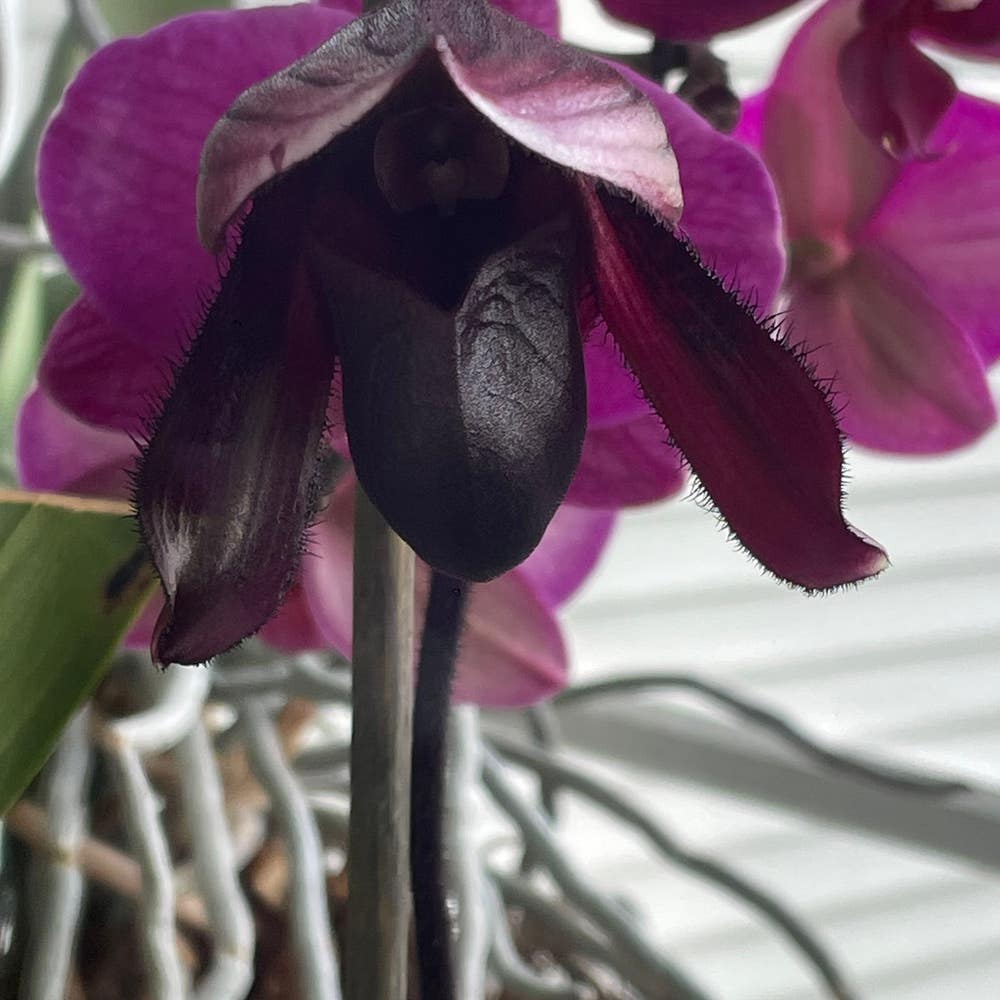
Paphiopedilum hirsutissimum
By the Greg Editorial Team
Nov 09, 2024•6 min read
This article was created with the help of AI so we can cover more plants for you. May contain errors. See one? Report it here.
Boost your Paphiopedilum's health and beauty with the power of companion planting! 🌱✨
- 🌱 Companion plants boost Paphiopedilum growth by creating supportive relationships in the garden.
- 🌼 Ferns and Peace Lilies thrive alongside Paphiopedilum, sharing humidity and light preferences.
- 🚫 Avoid cacti and heavy feeders to protect your Paphiopedilum from stress and nutrient depletion.
Benefits of Companion Planting for Paphiopedilum
🌱 Enhancing Growth and Health
Companion planting offers a unique opportunity to enhance the growth and health of your Paphiopedilum orchids. By selecting supportive plant relationships, you can create a thriving environment that promotes robust growth.
Certain plants naturally deter pests and diseases, reducing the need for chemical interventions. This organic approach not only benefits your orchids but also contributes to a healthier garden ecosystem.
🌼 Importance of Garden Diversity
Diversity in your garden plays a crucial role in maintaining a balanced ecosystem. By incorporating a variety of plants, you can attract beneficial insects and create a more resilient environment.
A diverse planting strategy helps mitigate the risk of pest outbreaks and diseases, ensuring that your Paphiopedilum remains healthy and vibrant. Embracing this diversity can lead to a more sustainable and flourishing garden.
With these benefits in mind, let's explore the best companion plants that can enhance your Paphiopedilum's growth and overall health.
Best Companion Plants for Paphiopedilum
🌿 Ferns
Ferns are fantastic companions for Paphiopedilum due to their shade-loving and humidity-loving nature. They require similar light and moisture, making them a low-maintenance choice that thrives alongside your orchids.
🌼 Peace Lily
The Peace Lily is another excellent option, flourishing in low light and high humidity. Its beautiful white blooms not only enhance the aesthetic but also share similar watering needs, helping to maintain the humidity levels that Paphiopedilum loves.
🌱 Pothos
Pothos is a hardy, trailing plant that thrives in low light conditions. It requires similar watering and humidity, and its air-purifying qualities make it a beneficial addition to your orchid setup.
🍃 Calathea
Known for its striking foliage, Calathea prefers humid environments, just like Paphiopedilum. It needs consistent moisture and indirect light, complementing the care requirements of your orchids perfectly.
🌺 Bromeliads
Bromeliads bring a tropical flair to your garden, thriving in humidity and offering vibrant colors. Their similar watering needs can enhance the aesthetic appeal of your Paphiopedilum, creating a lively display.
🌸 Anthurium
With bright, waxy flowers and glossy leaves, Anthurium thrives in conditions similar to those preferred by Paphiopedilum. It enjoys high humidity and indirect light, making it a compatible companion that adds visual interest.
🕷️ Spider Plant
The Spider Plant is a hardy and adaptable choice that can thrive in various conditions. It tolerates low light and helps maintain humidity levels, making it a practical companion for your orchids.
These companion plants not only support the growth of Paphiopedilum but also create a visually appealing and harmonious garden environment. By carefully selecting these plants, you can ensure a thriving ecosystem that enhances the beauty and health of your orchids.
Next, we’ll explore how companion plants can play a crucial role in pest management, keeping your Paphiopedilum safe and healthy.
Pest Management
🌱 Role of Companion Plants in Pest Management
Companion plants play a vital role in pest management by naturally deterring harmful insects. They can create a protective barrier around your Paphiopedilum, reducing the likelihood of infestations.
🐞 Specific Pest-Repellent Properties of Companion Plants
Certain companion plants are particularly effective at repelling pests that commonly affect Paphiopedilum. For instance, marigolds are known to deter aphids and nematodes, while basil can repel flies and mosquitoes.
🛡️ Strategies for Reducing Pest Issues
To create a pest-resistant environment, consider integrating companion plants into your garden layout. Grouping pest-repelling plants with your Paphiopedilum can enhance their protective benefits, making your garden a healthier, more vibrant space.
By thoughtfully selecting companion plants, you not only safeguard your orchids but also foster a thriving ecosystem. This approach not only minimizes pest issues but also enriches your gardening experience.
Next, let’s explore how companion planting can enhance the visual appeal of your Paphiopedilum.
Visual Appeal in Companion Planting
🌼 Importance of Aesthetics in Companion Planting
Creating a visually appealing garden is more than just a feast for the eyes; it enhances the overall gardening experience. Companion planting allows you to mix colors, shapes, and textures, making your Paphiopedilum orchids stand out even more.
🎨 Enhancing Visual Appeal of Paphiopedilum
To elevate the beauty of your Paphiopedilum, consider pairing them with plants that offer contrasting foliage and blooms. For instance, the lush green leaves of ferns can beautifully frame the delicate flowers of your orchids, while the vibrant colors of bromeliads can add a tropical flair.
Another great option is the striking patterns of Calathea leaves, which can create a stunning backdrop for the elegant blooms of Paphiopedilum. By thoughtfully selecting companion plants, you can create a harmonious and eye-catching display that draws attention and admiration.
Incorporating these elements not only beautifies your space but also fosters a sense of tranquility and joy in your gardening journey. As you explore the world of companion planting, remember that aesthetics play a crucial role in cultivating a garden that inspires and delights.
With a vibrant visual landscape established, let's delve into how companion plants can help manage pests effectively.
Plants to Avoid with Paphiopedilum
🚫 Incompatible Plants
When planning your garden, it's crucial to know which plants to steer clear of when growing Paphiopedilum orchids. Certain plants can create competition for resources or introduce unfavorable conditions.
- Cacti and Succulents: These plants thrive in dry conditions, which can lead to moisture stress for your Paphiopedilum.
- Heavy Feeders: Plants like tomatoes or corn can deplete soil nutrients quickly, leaving your orchids lacking essential elements.
- Fast-Growing Grasses: They can overshadow your orchids, competing for light and space.
⚠️ Detrimental Effects of Incompatible Plants
Incompatible plants can disrupt the delicate balance your Paphiopedilum needs to flourish.
- Light Competition: Plants that require full sun can block light from reaching your orchids, which prefer indirect light.
- Water Needs: If you pair your orchids with plants that need less water, your Paphiopedilum may suffer from dehydration.
- Soil Requirements: Different soil pH and drainage needs can lead to root rot or nutrient deficiencies.
Understanding these incompatibilities helps create a thriving environment for your Paphiopedilum. By avoiding these plants, you can ensure your orchids receive the care they need to bloom beautifully.
Next, let’s explore how companion plants can play a vital role in pest management for your Paphiopedilum.
⚠️ Safety First
This content is for general information and may contain errors, omissions, or outdated details. It is not medical, veterinary advice, or an endorsement of therapeutic claims.
Always consult a qualified healthcare professional before using any plant as food, medicine, or supplement.
Never eat any plant (or feed one to pets) without confirming its identity with at least two trusted sources.
If you suspect poisoning, call Poison Control (800) 222-1222, the Pet Poison Helpline (800) 213-6680, or your local emergency service immediately.
Spotted an error? Please report it here.
Enhance your Paphiopedilum's beauty and health with the right companions 🌱, and let Greg guide you with tailored care tips and reminders for a flourishing garden!