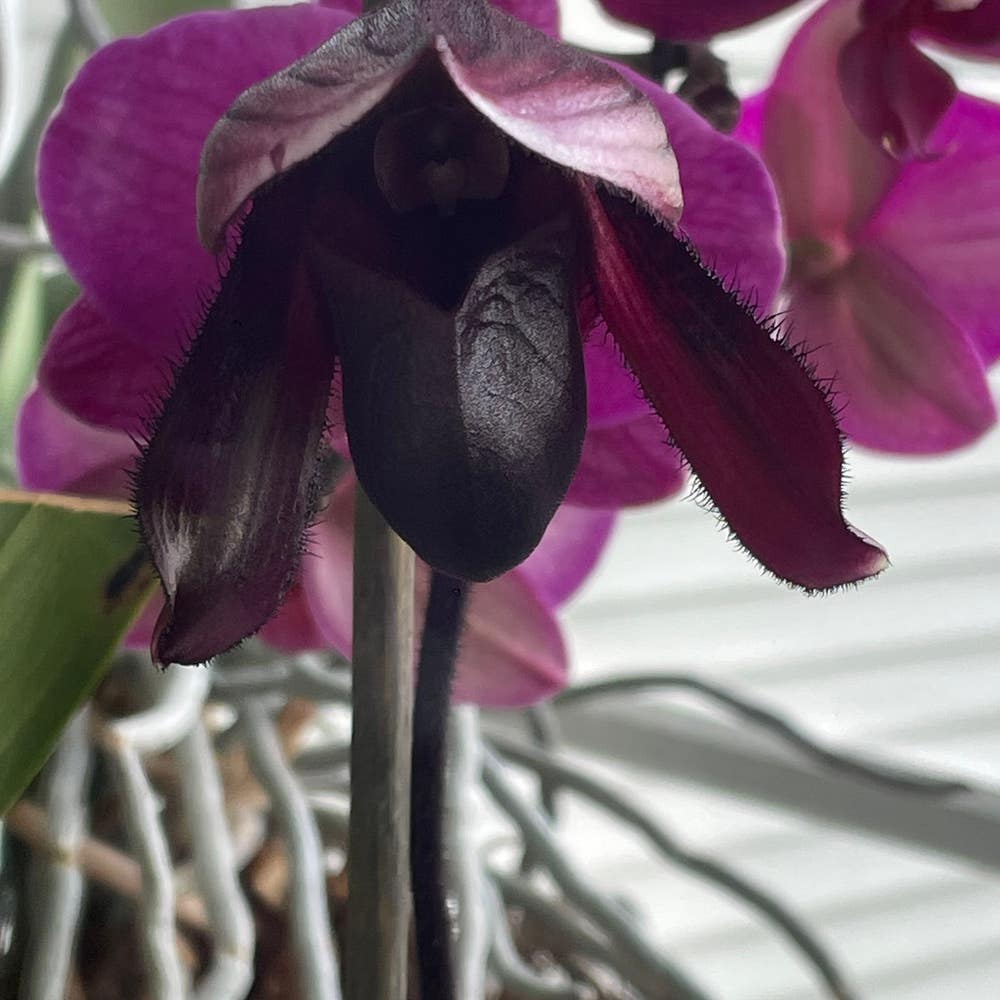
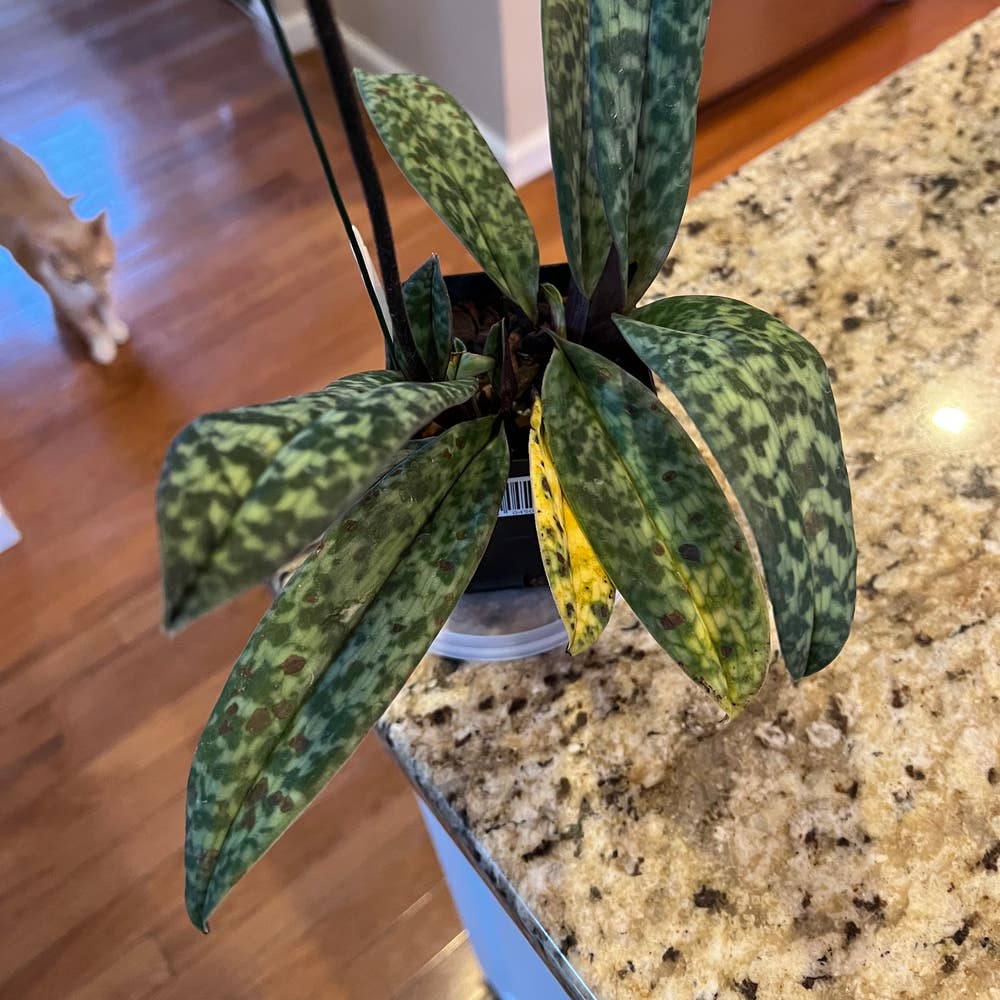
When to Plant: Paphiopedilum 🌸
Paphiopedilum hirsutissimum
By the Greg Editorial Team
Nov 09, 2024•6 min read
This article was created with the help of AI so we can cover more plants for you. May contain errors. See one? Report it here.
Unlock vibrant blooms 🌸 by mastering the perfect timing for planting Paphiopedilum orchids in your garden!
- ❄️ Know frost dates to plant Paphiopedilum safely and avoid freezing temperatures.
- 🌡️ Ideal soil temperature for planting is 70°F to 85°F (21°C to 29°C).
- 🌞 Longer day lengths enhance Paphiopedilum growth; time planting accordingly for success.
Timing for Planting Paphiopedilum
🌨️ Importance of Frost Dates
Understanding frost dates is crucial for successful Paphiopedilum planting. These dates refer to the last spring frost and the first fall frost, marking the safe window for planting.
Paphiopedilum orchids are sensitive to frost and cannot survive freezing temperatures. Therefore, it's essential to plant them after the last frost date to ensure their survival and healthy growth.
To find your local frost dates, consult resources like the USDA Plant Hardiness Zone Map or your local agricultural extension office. These tools provide valuable information tailored to your specific region.
🌡️ Soil Temperature Considerations
Soil temperature plays a vital role in the health of your Paphiopedilum. The ideal range for planting is between 70°F and 85°F (21°C to 29°C).
This temperature range is critical for seed germination and root development. To check soil temperature accurately, use a soil thermometer and follow best practices for measuring, such as checking at different depths.
🌞 Day Length and Growth Timing
Day length significantly impacts the growth of Paphiopedilum. These orchids thrive in bright, indirect light, making it essential to consider light conditions when planting.
Timing your planting with seasonal day length is also important. Planting during longer days helps establish the orchids more effectively, leading to healthier plants.
By aligning your planting schedule with frost dates, soil temperature, and day length, you set the stage for successful Paphiopedilum growth. Next, let’s explore the ideal planting times based on regional climates.
Regional Planting Times
🌱 Ideal Planting Months
When it comes to planting Paphiopedilum, timing is everything. Different regions have unique climates that dictate the best months for planting.
🌴 Florida: March to April
In Florida, the warm climate allows for planting from March to April. With minimal frost risk, this period is ideal for getting your Paphiopedilum established.
🌞 California: February to April
California's varied climate zones mean planting can start as early as February and extend through April. Pay attention to your specific zone to optimize your planting schedule.
🤠 Texas: March to May
Texas presents a diverse climate landscape. Aim for March to May, but remember to consider the differences between northern and southern regions for the best results.
🗽 New York: Late May to June
In New York, late May to June is the sweet spot for planting. This timing helps avoid frost risks while taking advantage of the warming temperatures.
🏔️ Colorado: June to July
Colorado gardeners should plan to plant between June and July. The higher elevation leads to later frost dates, making this timeframe essential for success.
🌾 Ohio: Late May to June
Ohio offers a transition from frost risk to warmer temperatures, making late May to June the ideal planting window. This timing ensures your Paphiopedilum can thrive as the weather warms.
Understanding these regional planting times is crucial for ensuring your Paphiopedilum flourishes. Next, let’s explore seed starting techniques that can give your plants a head start.
Seed Starting Techniques
Indoor Seed Starting 🌱
Starting Paphiopedilum seeds indoors offers a controlled environment that enhances temperature and humidity management. This method significantly boosts your chances of successful germination and healthy growth.
To maximize success, aim to start your seeds 8-10 weeks before the last frost date. This timeline allows the seedlings to establish themselves before being introduced to outdoor conditions.
Direct Sowing Considerations 🌾
Direct sowing Paphiopedilum seeds has its pros and cons. While it’s a straightforward method, it can be risky if conditions aren’t just right.
For successful direct sowing, ensure that soil temperatures are within the ideal range and that moisture levels are adequate. This attention to detail can make all the difference in your planting success.
Transitioning from seed starting techniques, let’s explore the factors influencing planting timing for Paphiopedilum.
Factors Influencing Planting Timing
🌤️ Climate Variations
Planting times for Paphiopedilum can vary significantly based on climate. Understanding your local climate zone is crucial for determining the best time to plant.
Different regions experience unique temperature ranges, humidity levels, and seasonal patterns. For instance, tropical areas may allow for year-round planting, while temperate zones require careful timing to avoid frost.
🌱 Environmental Needs
Paphiopedilum thrives in specific environmental conditions, making it essential to consider humidity, temperature, and light. These factors directly influence growth and flowering.
Humidity levels should ideally be kept high, as Paphiopedilum orchids prefer a moist environment. Additionally, maintaining a consistent temperature within their preferred range will support healthy growth.
Light is another critical component; these orchids flourish in bright, indirect light. Adjust your planting schedule to align with seasonal changes in light availability to ensure optimal growth.
By paying attention to these environmental needs, you can fine-tune your planting times for the best results. This approach not only enhances plant health but also maximizes your gardening success.
Understanding these factors will set you up for success as you move on to the next section about creating a comprehensive planting calendar tailored to your region.
Comprehensive Planting Calendar
When it comes to planting Paphiopedilum, timing is everything. Knowing the right months for planting across different states can significantly enhance your success rate.
🌍 Planting Times by Region
Here’s a quick overview of ideal planting months for Paphiopedilum in various states:
Florida: March to April. The warm climate and minimal frost risk make this an excellent time.
California: February to April. With its varied climate zones, timing can vary, but this window generally works well.
Texas: March to May. Be mindful of the differences between northern and southern climates within the state.
New York: Late May to June. This timing helps avoid frost risk while taking advantage of warmer temperatures.
Colorado: June to July. Higher elevations mean later frost dates, so plan accordingly.
Ohio: Late May to June. Transitioning from frost risk to warmer temperatures is key here.
☁️ Understanding Your Local Climate
Each state has its unique climate characteristics that influence planting times. It’s essential to consider local conditions, such as temperature fluctuations and humidity levels, when planning your planting schedule.
💭 Final Thoughts
By aligning your planting times with regional conditions, you’ll set your Paphiopedilum up for success. Stay tuned for the next section, where we’ll dive into the various seed starting techniques to give your plants the best possible start!
⚠️ Safety First
This content is for general information and may contain errors, omissions, or outdated details. It is not medical, veterinary advice, or an endorsement of therapeutic claims.
Always consult a qualified healthcare professional before using any plant as food, medicine, or supplement.
Never eat any plant (or feed one to pets) without confirming its identity with at least two trusted sources.
If you suspect poisoning, call Poison Control (800) 222-1222, the Pet Poison Helpline (800) 213-6680, or your local emergency service immediately.
Spotted an error? Please report it here.
Maximize your Paphiopedilum success by planting at the perfect time, and let Greg's custom reminders 📅 guide you through local frost dates and optimal conditions for thriving orchids!