🌸 Top 4 Tips for Choosing Soil for Your Paphiopedilum
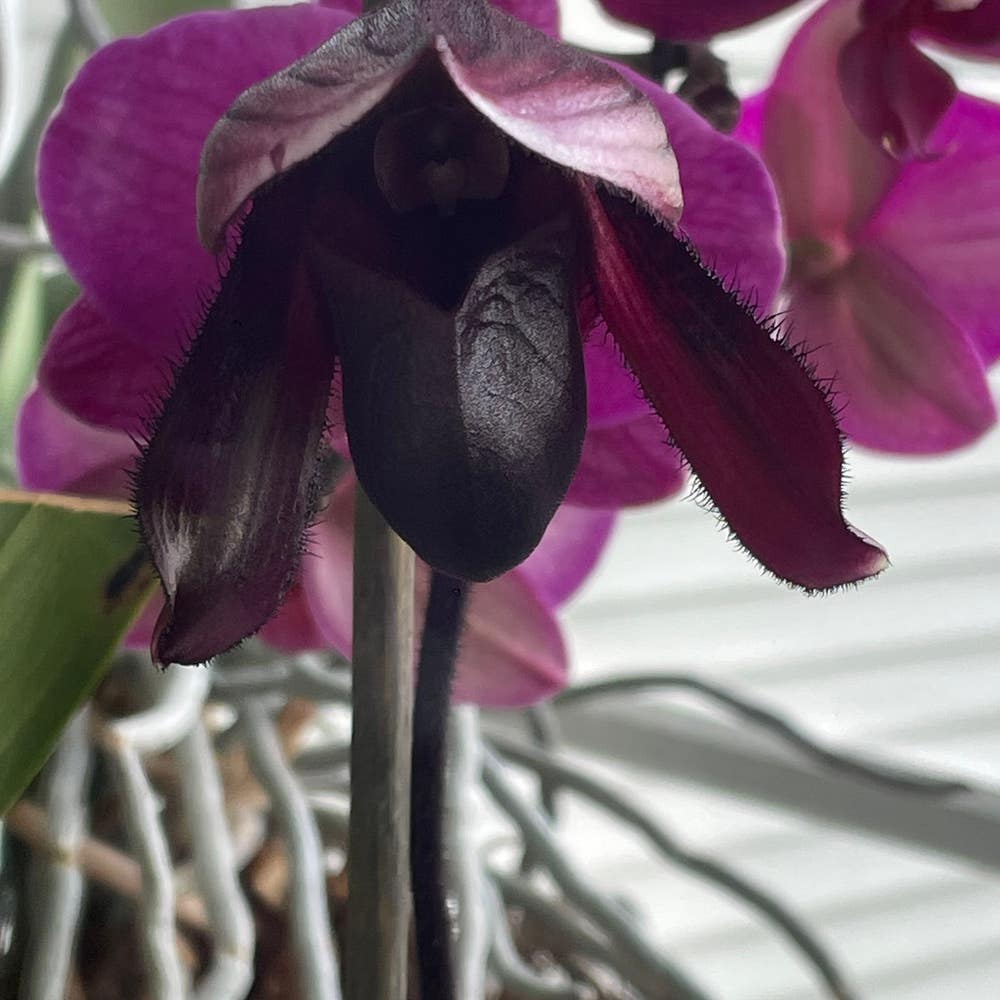
Paphiopedilum hirsutissimum
By the Greg Editorial Team
Nov 09, 2024•6 min read
This article was created with the help of AI so we can cover more plants for you. May contain errors. See one? Report it here.
Unlock vibrant blooms for your Paphiopedilum orchids by mastering soil health and creating the perfect mix! 🌱
- 🌱 Healthy soil signs include no mold or compaction; check regularly for issues.
- 🔍 Ideal pH for Paphiopedilum is 5.5 to 7.0; adjust with sulfur or lime.
- 🏡 Homemade soil mixes enhance growth; use bark, perlite, and sphagnum moss.
Identifying Unhealthy Soil
🌱 Signs of Unhealthy Soil
Recognizing unhealthy soil is crucial for the well-being of your Paphiopedilum orchids.
Moldy Soil
Moldy soil often presents as a white or gray fuzzy growth on the surface. This issue typically arises from overwatering, poor drainage, and insufficient air circulation.
Compaction
Compacted soil appears hard and dense, causing water to pool on the surface. This condition leads to reduced aeration, which can suffocate the roots.
🔍 How to Test Soil Health
Testing soil health is a straightforward process that can save your orchids from decline.
Visual Inspection
Start with a visual inspection. Look for discoloration, mold, or any unusual odors that might indicate problems.
Moisture Test
Next, perform a moisture test. Check if the soil feels overly wet or dry to the touch.
pH Testing
Finally, use a soil pH meter or test kit to determine the acidity of your soil. This step is essential for understanding nutrient availability.
🛠️ Solutions for Unhealthy Soil
If you identify unhealthy soil, don’t panic—there are effective solutions.
For Moldy Soil
To tackle moldy soil, remove the affected soil and replace it with a fresh mix. Additionally, improve air circulation and reduce your watering frequency to prevent recurrence.
For Compacted Soil
For compacted soil, gently aerate it using a fork or chopstick. If the problem persists, consider repotting with a more suitable mix that allows for better drainage and aeration.
By keeping an eye on these signs and testing your soil regularly, you can ensure your Paphiopedilum thrives in a healthy environment. Next, let’s explore the ideal soil pH for these beautiful orchids.
Ideal Soil pH
Recommended pH range 🌱
For your Paphiopedilum orchids, the ideal soil pH ranges from 5.5 to 7.0, which is slightly acidic to neutral. This range can vary slightly depending on the specific variety of Paphiopedilum you are growing.
Effects of pH on nutrient availability ⚗️
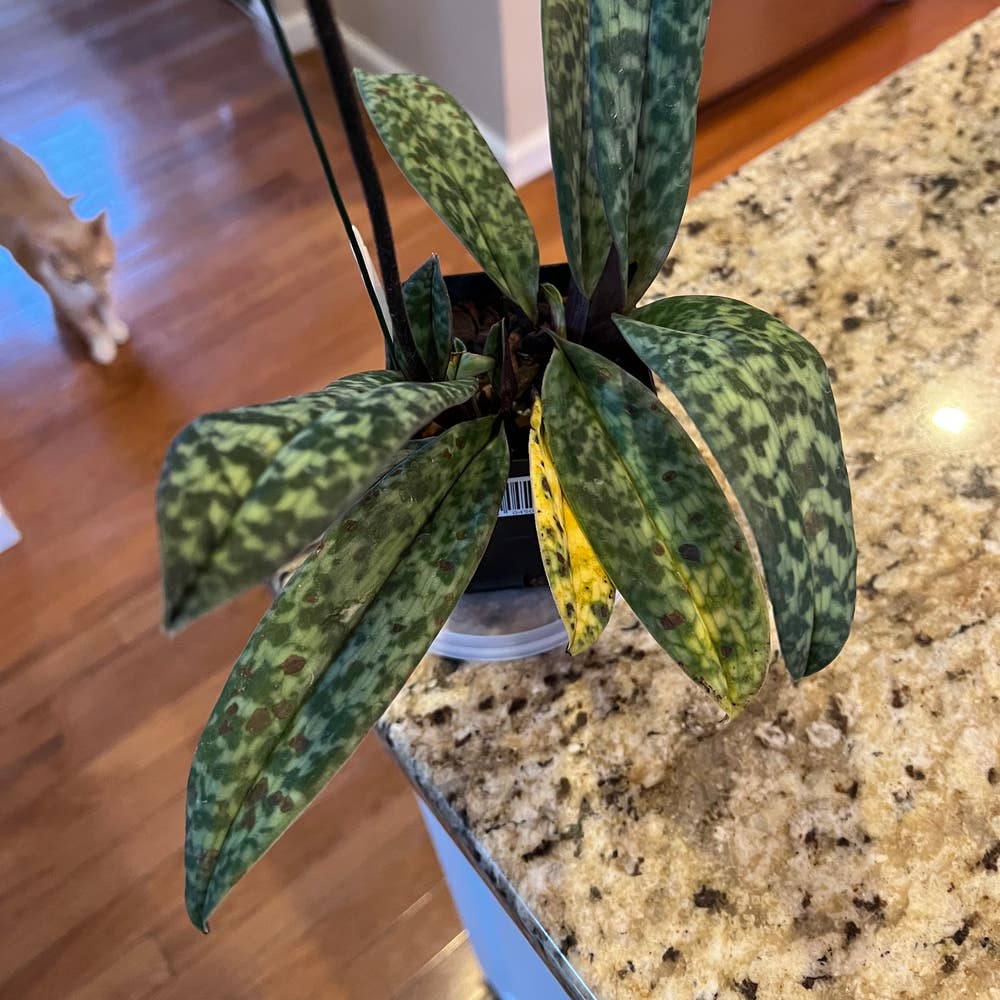
Soil pH plays a crucial role in nutrient absorption. If the pH is off, you might notice symptoms like yellowing leaves and poor growth, indicating that your orchids aren't getting the nutrients they need.
How to adjust soil pH 🔧
If you need to lower the pH, consider incorporating sulfur or peat moss into your soil mix. To raise the pH, lime or wood ash can be effective amendments.
Regular testing is essential to maintain the optimal pH range for your orchids. Keeping an eye on these levels will help ensure your Paphiopedilum thrive and flourish.
With a solid understanding of soil pH, you're well on your way to creating the perfect environment for your orchids. Next, let’s explore how to create a homemade soil mix tailored to their needs.
Creating a Homemade Soil Mix ((difficulty:easy))
🧪 Ingredients for a homemade soil mix
Creating the perfect soil mix for your Paphiopedilum orchids starts with the right ingredients. The essential base components include bark chips, perlite, and sphagnum moss, which provide structure and moisture retention.
For those looking to enhance drainage and moisture control, consider adding charcoal as an optional amendment. This not only improves drainage but also helps absorb excess moisture and odors.
🛠️ Step-by-step guide to mixing soil
Ready to mix your own soil? Follow these simple steps:
- Gather materials: Collect all your ingredients in a clean workspace to ensure a tidy mixing process.
- Mix base components: Combine 2 parts bark chips, 1 part perlite, and 1 part sphagnum moss in a large container.
- Add amendments: If desired, incorporate charcoal into the mix for improved drainage.
- Test the mix: Water the mixture to check for proper drainage; it should allow water to flow through easily without pooling.
🌱 Benefits of homemade soil vs. commercial mixes
Opting for a homemade soil mix offers several advantages over commercial options.
- Customization: You can tailor the mix to meet the specific needs of your Paphiopedilum, ensuring optimal growth.
- Cost-effectiveness: Homemade mixes are often cheaper than pre-packaged varieties, saving you money in the long run.
- Freshness: By using new, high-quality ingredients, you ensure that your orchids receive the best possible care.
Creating your own soil mix not only empowers you as a gardener but also enhances the health and vitality of your orchids. With the right mix in hand, you're well on your way to thriving Paphiopedilum plants.
Next, let’s explore the importance of soil drainage and aeration for these beautiful orchids.
Soil Drainage and Aeration
Importance of drainage 🌊
Proper soil drainage is crucial for the health of your Paphiopedilum orchids. It prevents root rot, a common issue that can devastate your plants.
Good drainage also mimics the natural habitat of these orchids, which thrive in the well-draining conditions found in forest understories. This environment allows roots to breathe and absorb nutrients effectively.
How to ensure proper aeration in soil 🌬️
To enhance aeration, use coarse materials like perlite or pumice in your soil mix. These components create air pockets that promote airflow, essential for healthy root development.
Additionally, avoid compacting the soil during potting. Handle the mix gently to maintain its structure and prevent suffocation of the roots.
Common drainage materials and their uses 🧱
Several materials can improve drainage in your soil mix:
- Bark chips: These provide structure and aeration, allowing roots to spread and breathe.
- Perlite: A lightweight option that significantly enhances drainage and prevents soil from becoming too dense.
- Charcoal: Not only does it absorb excess moisture, but it also helps eliminate odors, keeping your soil fresh.
By incorporating these materials, you can create an optimal environment for your Paphiopedilum orchids, ensuring they thrive in your care.
As you focus on drainage and aeration, remember that these elements are foundational for your orchids' overall health. Next, we'll explore the best practices for repotting and maintaining soil health to keep your plants flourishing.
Repotting and Soil Maintenance
🪴 When to repot
Repotting your Paphiopedilum is essential when you notice signs like roots outgrowing the pot or soil degradation. Ideally, you should repot every 1-2 years or whenever the soil's health starts to decline.
🛠️ Best practices for repotting with new soil
Timing is crucial; aim to repot during the growing season for optimal recovery. Start by gently removing the old soil, inspecting the roots, and trimming any damaged ones if necessary.
When selecting a new pot, choose one that is slightly larger and has adequate drainage holes. This will provide your orchid with the space it needs to thrive.
🌱 Ongoing soil maintenance tips
Regularly check the soil moisture to adjust your watering schedule based on environmental conditions. This ensures your Paphiopedilum receives the right amount of hydration.
To maintain soil health, refresh the top inch of soil annually. This simple step can make a significant difference in nutrient availability.
Lastly, keep an eye out for pests and diseases. Early detection is key to preventing more serious soil issues down the line.
With these practices, your Paphiopedilum will flourish, setting the stage for vibrant blooms and healthy growth. Next, let’s explore the importance of soil drainage and aeration for your orchids.
⚠️ Safety First
This content is for general information and may contain errors, omissions, or outdated details. It is not medical, veterinary advice, or an endorsement of therapeutic claims.
Always consult a qualified healthcare professional before using any plant as food, medicine, or supplement.
Never eat any plant (or feed one to pets) without confirming its identity with at least two trusted sources.
If you suspect poisoning, call Poison Control (800) 222-1222, the Pet Poison Helpline (800) 213-6680, or your local emergency service immediately.
Spotted an error? Please report it here.
Ensure your Paphiopedilum orchids flourish with tailored soil care tips 🌿 from Greg that help you maintain the perfect mix for vibrant growth!