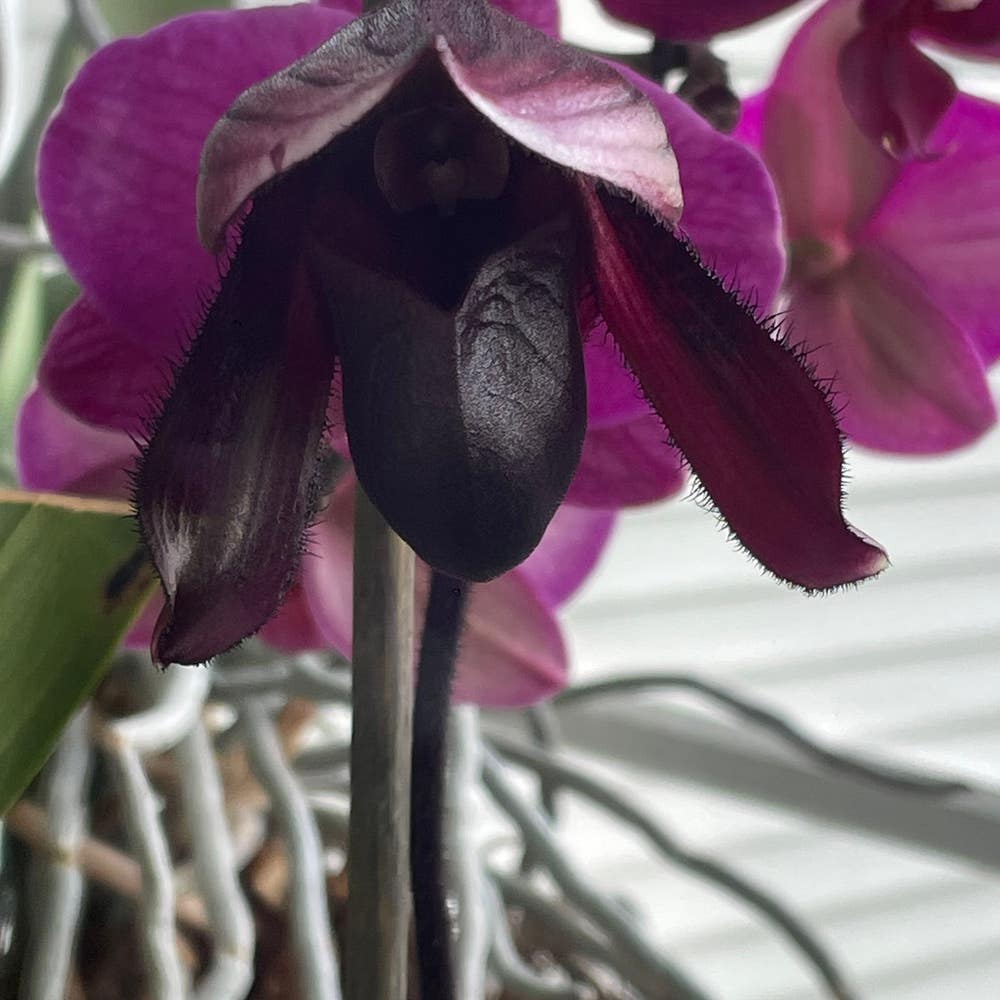
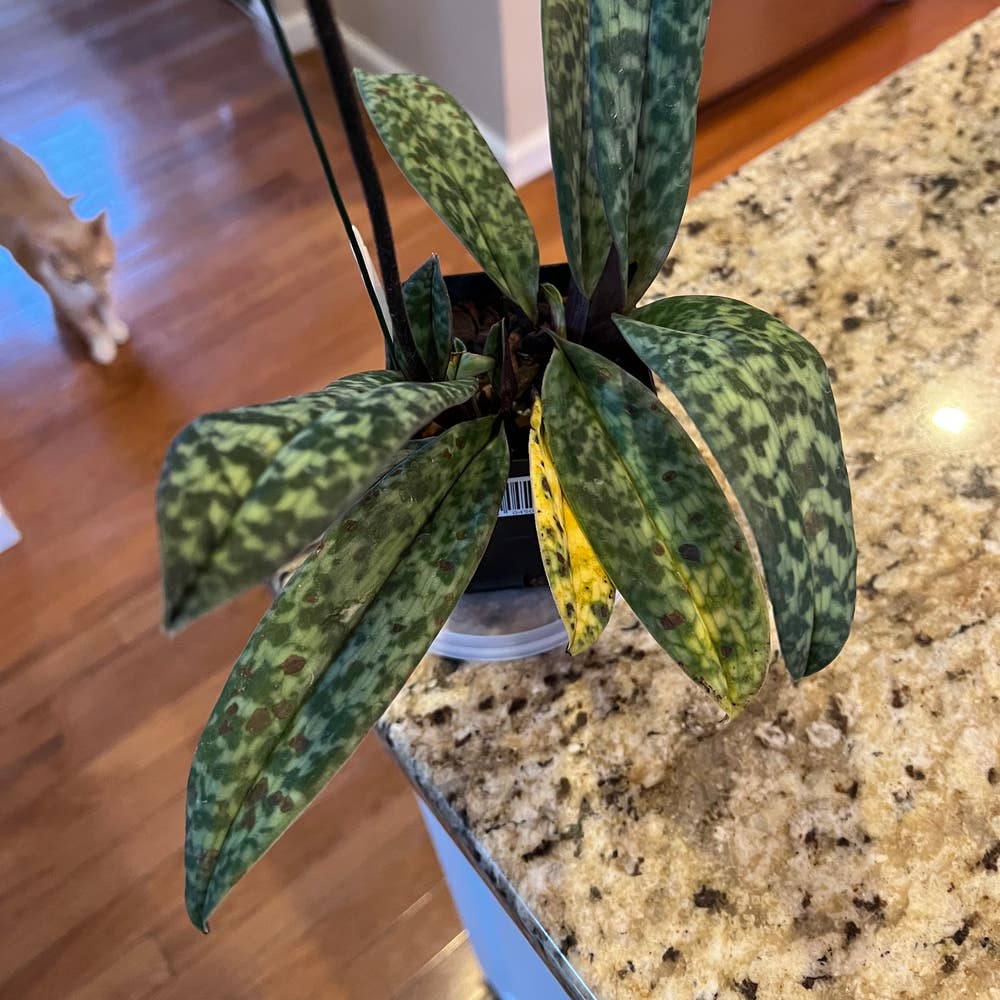
Reasons Why Your Paphiopedilum Won't Flower
Paphiopedilum hirsutissimum
By the Greg Editorial Team
Oct 25, 2024•5 min read
This article was created with the help of AI so we can cover more plants for you. May contain errors. See one? Report it here.
Master essential care tips for stunning Paphiopedilum blooms 🌸 and avoid common pitfalls for thriving orchids!
- 💡 Optimal light levels of 1000-2000 foot-candles are crucial for blooming success.
- 🌱 Balanced fertilization prevents over-fertilizing, which can hinder flower development.
- 🌡️ Maintain temperatures between 20-25°C for daytime and 15-18°C at night for best blooms.
Common Reasons for Failure to Bloom
💡 Insufficient Light Conditions
Light is crucial for the flowering of Paphiopedilum orchids. Aim for light levels between 1000-2000 foot-candles to promote healthy blooms.
Signs that your plant isn't getting enough light include stunted growth and dark green leaves. If you notice these symptoms, it’s time to reassess your lighting setup.
🍽️ Nutritional Deficiencies
Paphiopedilum orchids require essential nutrients like nitrogen, phosphorus, and potassium for blooming. A lack of these can lead to weak stems and small flowers.
Be cautious with fertilization; over-fertilizing can hinder flower development and cause buds to drop. Balance is key to keeping your orchid thriving.
🌡️ Incorrect Temperature Ranges
For optimal blooming, maintain daytime temperatures between 20-25°C (68-77°F) and nighttime temperatures of 15-18°C (59-65°F). Deviations from these ranges can stress the plant and lead to bud drop.
Temperature fluctuations can be detrimental, so try to keep conditions stable. Your orchid will thank you with beautiful blooms.
🚨 Stress Factors
Environmental stressors, such as repotting or pest infestations, can significantly impact your orchid's ability to flower. Watch for signs of stress like wilting leaves and reduced growth.
Addressing these stress factors promptly can help your Paphiopedilum recover and return to its blooming glory. Keep an eye on your plant's overall health to ensure it thrives.
Understanding these common reasons for failure to bloom is the first step in nurturing your Paphiopedilum. Next, let’s explore factors that can lead to premature flower drop.
Factors Leading to Premature Flower Drop
🌪️ Environmental Shock
Environmental shock can be a sneaky culprit behind your Paphiopedilum's premature flower drop. Sudden changes in light, temperature, or humidity can stress the plant, causing it to drop buds before they fully bloom.
💧 Inadequate Watering Practices
Consistent moisture levels are crucial for healthy blooms. Underwatering can lead to wrinkled leaves and bud drop, while overwatering may result in root rot and yellowing leaves.
🐛 Pests and Diseases
Pests like aphids and mealybugs can wreak havoc on your blooms. Look out for sticky residue and distorted flowers as signs of infestation. Additionally, fungal infections can lead to significant bud drop, impacting your plant's overall health.
Understanding these factors can help you take proactive steps to ensure your Paphiopedilum thrives. Next, we’ll explore the causes of abnormal flower development and how to address them effectively.
Causes of Abnormal Flower Development
🌱 Genetic Factors
Paphiopedilum orchids exhibit a fascinating range of genetic variability, which directly influences their blooming characteristics. For instance, Paphiopedilum insigne is known for its striking flowers, while Paphiopedilum Maudiae offers a more delicate appearance, showcasing how genetics can dictate flower traits.
🌍 Environmental Influences
The environment plays a crucial role in flower development. Light quality significantly affects flower shape and size, while temperature can alter flower color and longevity, making it essential to provide optimal conditions for your orchids.
🥦 Nutritional Imbalances
Balanced fertilization is vital for healthy flower development. Signs of nutrient imbalance, such as discolored flowers or irregular shapes, can indicate that your Paphiopedilum needs a nutrient boost to thrive and bloom beautifully.
Understanding these factors can help you cultivate healthier orchids and enjoy their stunning blooms. Next, we’ll explore the nutritional needs of your Paphiopedilum to ensure they get the right support for flowering.
Nutritional Needs
🌸 Essential Nutrients for Blooming
To achieve vibrant blooms, Paphiopedilum orchids require a balanced intake of essential nutrients. The N-P-K ratio—nitrogen, phosphorus, and potassium—plays a crucial role in flowering.
- Nitrogen promotes lush foliage.
- Phosphorus is vital for root development and flower production.
- Potassium enhances overall plant health and resilience.
Micronutrients like calcium, magnesium, and iron are equally important. They support various physiological functions, ensuring your orchid thrives and produces stunning flowers.
📅 Fertilization Schedule for Optimal Flowering
Establishing a consistent fertilization schedule is key to encouraging blooms. Aim to fertilize your Paphiopedilum every 2-4 weeks during the growing season.
- Balanced orchid fertilizers provide a well-rounded nutrient profile.
- Specialized formulas can target specific needs, depending on your plant's condition.
By adhering to this schedule, you’ll create an environment where your orchids can flourish and bloom beautifully.
As you nurture your Paphiopedilum, keep an eye on its response to your care. Adjusting your approach based on its needs will lead to thriving plants and spectacular flowers.
Problem-Solving Techniques
Step-by-Step Solutions for Each Flowering Issue 🌸
Identifying the root cause of your Paphiopedilum's failure to bloom is crucial. Start by observing signs and symptoms, such as stunted growth or dark green leaves, which may indicate insufficient light.
Once you've pinpointed the issue, tailor your solutions accordingly. For example, if light levels are low, consider moving your plant to a brighter spot or supplementing with grow lights. If nutrient deficiencies are suspected, adjust your fertilization routine to include essential elements like nitrogen, phosphorus, and potassium.
Monitoring and Adjusting Care Based on Plant Response 👀
Observation is key to successful orchid care. Keep a close eye on your plant's growth and flowering patterns to gauge its response to any changes you make.
As you adjust care practices, implement changes incrementally. This approach allows you to see what works best for your Paphiopedilum, ensuring optimal results without overwhelming the plant. Remember, patience is essential in nurturing these beautiful orchids back to health.
With these problem-solving techniques, you can effectively address the challenges your Paphiopedilum faces and encourage it to bloom beautifully. Next, let’s explore the nutritional needs essential for vibrant flowering.
⚠️ Safety First
This content is for general information and may contain errors, omissions, or outdated details. It is not medical, veterinary advice, or an endorsement of therapeutic claims.
Always consult a qualified healthcare professional before using any plant as food, medicine, or supplement.
Never eat any plant (or feed one to pets) without confirming its identity with at least two trusted sources.
If you suspect poisoning, call Poison Control (800) 222-1222, the Pet Poison Helpline (800) 213-6680, or your local emergency service immediately.
Spotted an error? Please report it here.
Unlock the secret to your Paphiopedilum's blooms by using Greg's tailored care tips and reminders to create the ideal environment 🌸 for stunning flowers!