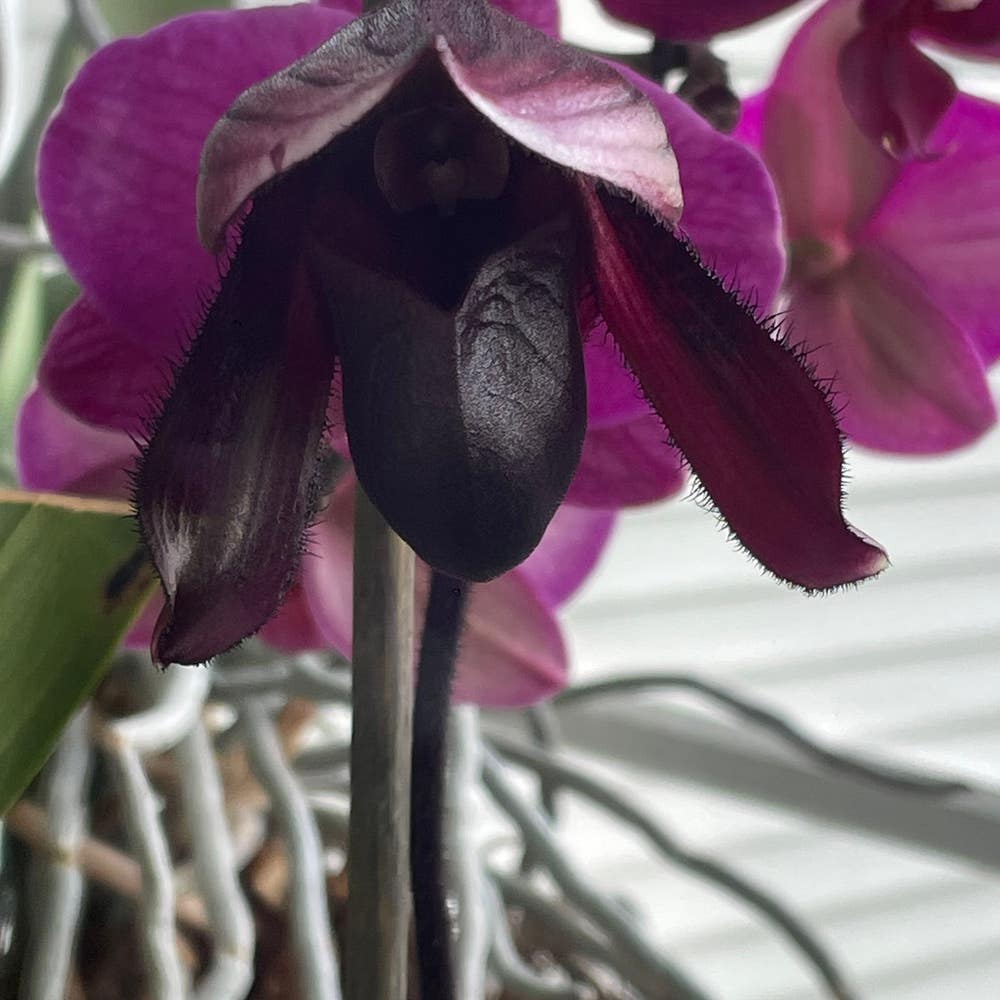
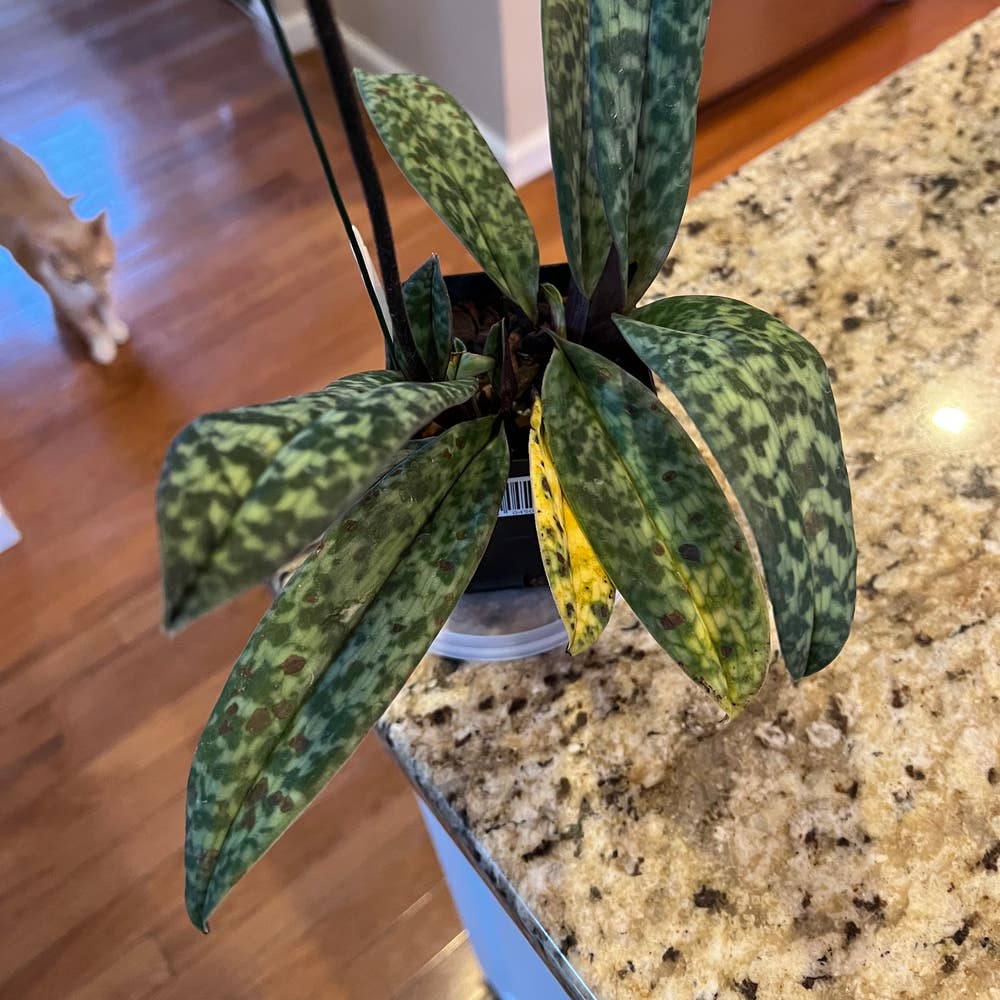
🌡 Optimal Temperature for Your Paphiopedilum
Paphiopedilum hirsutissimum
By the Greg Editorial Team
Nov 09, 2024•3 min read
This article was created with the help of AI so we can cover more plants for you. May contain errors. See one? Report it here.
Ensure your Paphiopedilum thrives and blooms by mastering temperature management! 🌱🌡️
- 🌡️ Temperature stress causes leaf discoloration and wilting in Paphiopedilum orchids.
- ❄️🔥 Maintain temperatures between 10°C and 30°C for optimal growth and blooming.
- 📏 Regular monitoring and gradual acclimatization prevent shock and promote healthy development.
Temperature Stress in Paphiopedilum
🌡️ Signs of Temperature Stress
Temperature stress can manifest in several noticeable ways. Look out for leaf discoloration, where leaves may turn yellow or brown, indicating distress.
Another sign is wilting, where leaves droop due to insufficient water uptake. Additionally, curling leaves often signal that your plant is reacting to extreme temperatures.
🔥 Causes of Temperature Stress
Understanding the causes of temperature stress is crucial for prevention. Extreme heat is a primary culprit; prolonged exposure to temperatures above 30°C (86°F) can be detrimental.
Cold drafts also pose a risk, especially sudden drops below 10°C (50°F). Lastly, inconsistent temperature fluctuations can shock your plant, leading to further complications.
🛠️ Recovery Strategies for Stressed Plants
If your Paphiopedilum shows signs of stress, take immediate action. Start with immediate relocation to a more suitable temperature environment.
Next, implement gradual acclimatization by slowly introducing the plant to new temperatures. Finally, monitor your plant regularly for signs of recovery and adjust care as needed.
By recognizing the signs, understanding the causes, and applying effective recovery strategies, you can help your Paphiopedilum thrive despite temperature challenges. This knowledge sets the stage for exploring how temperature impacts growth and blooming in the next section.
Impact of Temperature on Growth and Blooming
🌡️ How Temperature Affects Growth Rates
Optimal temperatures are crucial for the growth of your Paphiopedilum. When kept within the ideal range, these orchids experience faster growth and develop healthier foliage.
Conversely, temperatures that stray too far from this range can stunt growth. This can lead to weak plants that struggle to thrive.
🌼 Influence of Temperature on Flowering Cycles
Temperature plays a significant role in triggering blooming cycles. Cooler nights can stimulate flower production, making it essential to monitor nighttime temperatures.
Maintaining a stable temperature is vital for consistent flowering. Fluctuations can disrupt the blooming process, leaving you with fewer flowers than expected.
🌱 Relationship Between Temperature and Root Health
Healthy root development is directly linked to optimal temperatures. When conditions are right, your Paphiopedilum will establish a robust root system.
However, cold temperatures pose risks, particularly root rot. Overwatering becomes a concern when roots are chilled, leading to potential plant decline.
Understanding these temperature impacts can help you nurture your Paphiopedilum effectively. By managing temperature, you set the stage for vibrant growth and stunning blooms.
Temperature Management Techniques
🌡️ Using Grow Lights to Regulate Temperature
Grow lights are a fantastic tool for maintaining the right temperature for your Paphiopedilum. They provide both warmth and light, creating an ideal environment for growth.
When selecting grow lights, consider options like LED or fluorescent lights. These types are energy-efficient and can help regulate temperature while promoting healthy growth.
🧊 Insulating Pots During Temperature Extremes
Insulating your pots is crucial during temperature fluctuations. Materials such as Styrofoam, bubble wrap, or specialized pot covers can effectively shield your plants from extreme heat or cold.
To insulate pots, wrap them in your chosen material, ensuring that the roots are protected. This simple technique helps maintain stable root temperatures, promoting overall plant health.
🌡️ Monitoring Temperature with Thermometers
Regular temperature checks are essential for optimal plant care. You can choose between digital and analog thermometers, both of which have their advantages.
For best practices, place thermometers in various locations around your growing area. This ensures you get an accurate reading of the temperature fluctuations your plants experience.
By implementing these temperature management techniques, you can create a nurturing environment for your Paphiopedilum, ensuring they thrive and bloom beautifully. Next, let’s explore how temperature impacts growth and blooming cycles.
⚠️ Safety First
This content is for general information and may contain errors, omissions, or outdated details. It is not medical, veterinary advice, or an endorsement of therapeutic claims.
Always consult a qualified healthcare professional before using any plant as food, medicine, or supplement.
Never eat any plant (or feed one to pets) without confirming its identity with at least two trusted sources.
If you suspect poisoning, call Poison Control (800) 222-1222, the Pet Poison Helpline (800) 213-6680, or your local emergency service immediately.
Spotted an error? Please report it here.
Keep your Paphiopedilum blooming beautifully 🌺 by using Greg's tailored reminders to maintain the perfect temperature for vibrant growth and stunning flowers!