How to Fix Curling Leaves on Your Paphiopedilum 🥿
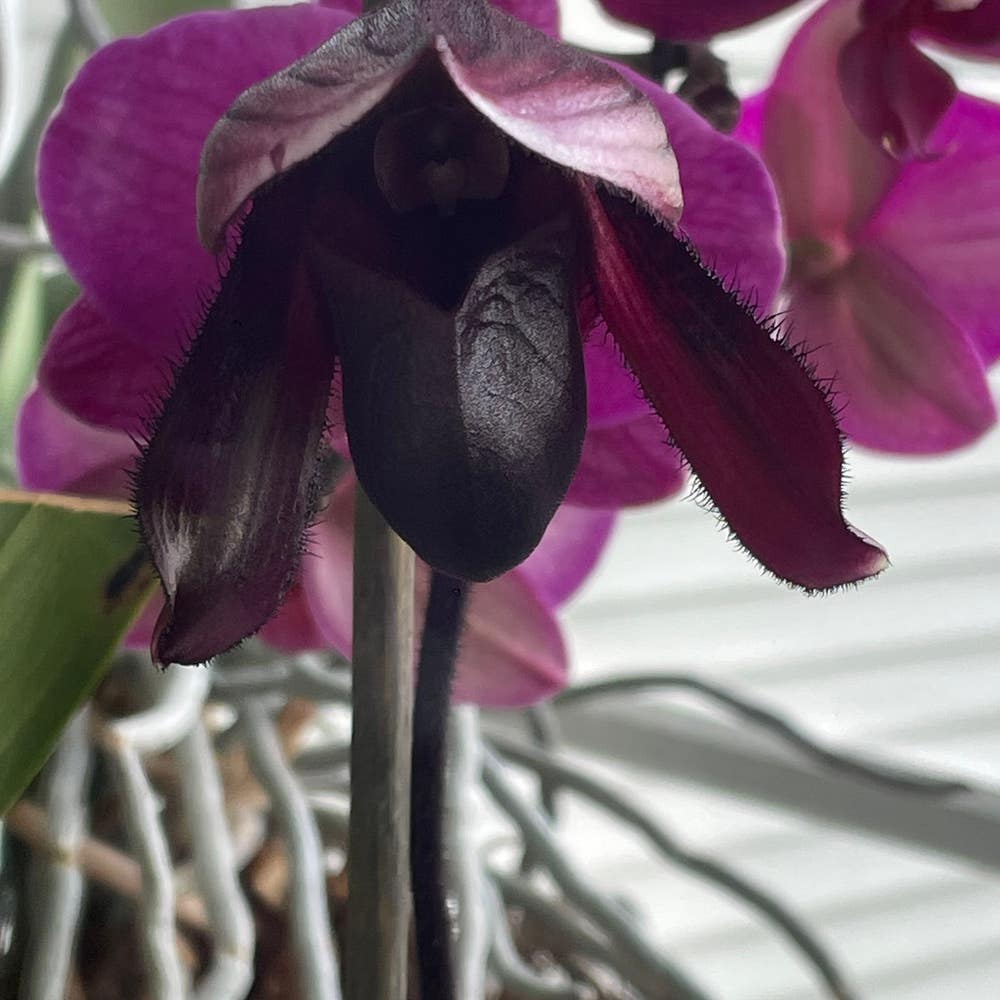
Paphiopedilum hirsutissimum
By the Greg Editorial Team
Oct 25, 2024•6 min read
This article was created with the help of AI so we can cover more plants for you. May contain errors. See one? Report it here.
Transform your curling Paphiopedilum leaves 🌿 into lush beauty with these essential care tips for thriving orchids!
- 🌊 Curling leaves result from overwatering or underwatering; identify symptoms for effective treatment.
- 🌱 Nutrient deficiencies like nitrogen and magnesium cause curling; use balanced fertilizer regularly.
- 🐛 Pests like aphids and spider mites can distort leaves; implement pest control promptly.
Causes of Curling Leaves
💧 Overwatering and Root Rot
Overwatering is a common issue that can lead to curling leaves on your Paphiopedilum. Symptoms include yellowing leaves, mushy roots, and a foul smell emanating from the potting medium.
Healthy roots are vital for leaf vitality. When roots rot due to excess moisture, the entire plant suffers, affecting its overall health.
🚰 Underwatering and Dehydration
On the flip side, underwatering can also cause curling leaves. Look for dry, crispy leaf edges and inward curling as signs of dehydration.
Dehydration stresses the plant, leading to curling leaves and stunted growth. It's crucial to find a balance in watering to keep your orchid thriving.
🥦 Nutrient Deficiencies
Nitrogen Deficiency
Nitrogen deficiency manifests as yellowing leaves, especially the older ones, and stunted growth. This nutrient is essential for the overall vigor and development of your plant.
Without adequate nitrogen, your Paphiopedilum struggles to flourish, impacting its leaf health significantly.
Magnesium Deficiency
Magnesium deficiency presents itself through interveinal chlorosis, where yellowing occurs between leaf veins, often accompanied by curling. Magnesium plays a crucial role in photosynthesis and overall plant health.
A lack of this nutrient can hinder your orchid's ability to produce energy, leading to further complications.
🐛 Pest Infestations
Common Pests
Aphids are small, green insects that can cause significant leaf curling and distortion. Their presence can be alarming, as they sap the plant's vitality.
Spider mites, on the other hand, are tiny web-spinning pests that create stippled leaves and curling. Both pests can severely affect your orchid's health if not addressed promptly.
🌡️ Environmental Stress
Temperature Fluctuations
Temperature fluctuations can stress your Paphiopedilum, causing leaf curling and discoloration. Ideally, maintain a temperature range of 20°C to 30°C (68°F to 86°F).
Extreme changes in temperature can shock the plant, leading to visible signs of distress.
💨 Low Humidity
Low humidity levels can also contribute to curling leaves. For optimal growth, humidity should be maintained between 50% and 70%.
Symptoms of low humidity include curling leaves and browning leaf tips, indicating that your plant is under stress.
Understanding these causes is the first step in addressing curling leaves on your Paphiopedilum. With the right care, you can restore your orchid's health and beauty.
Diagnosing Curling Leaves
🌊 Visual Signs of Overwatering vs. Underwatering
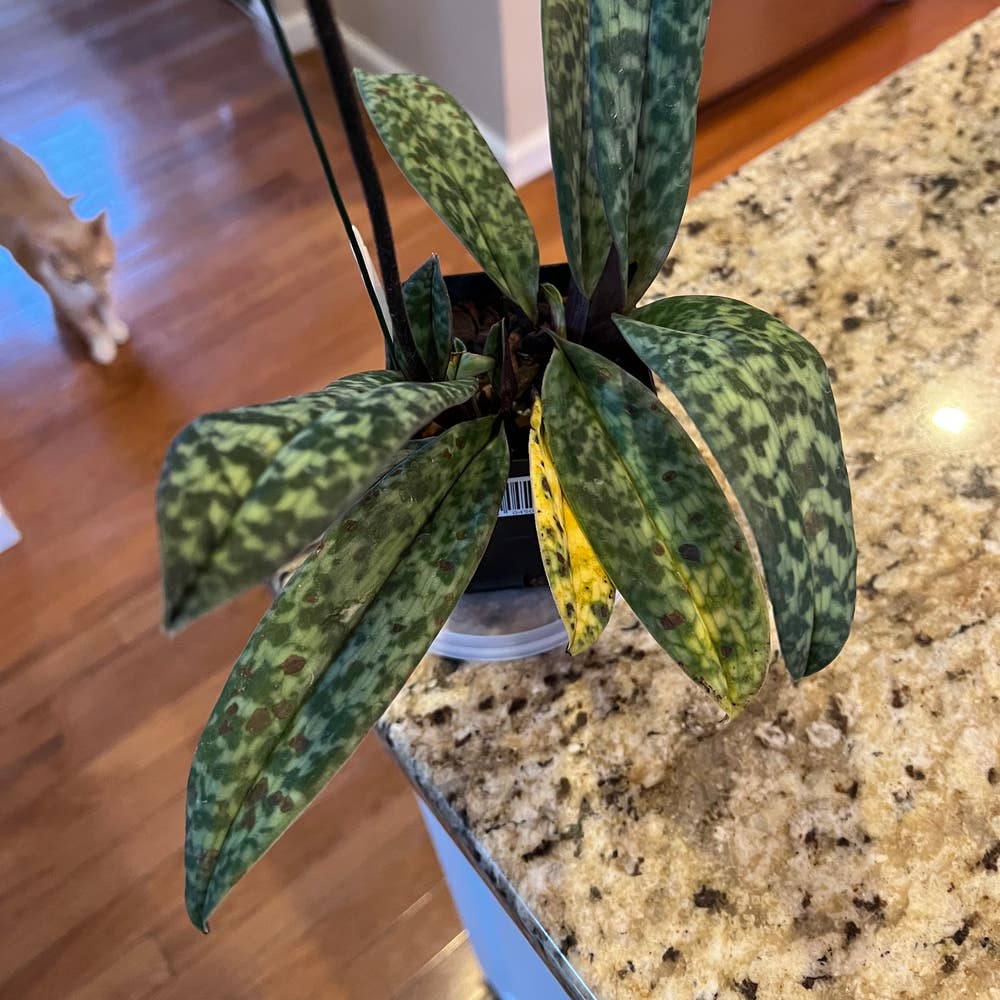
Identifying whether your Paphiopedilum is suffering from overwatering or underwatering is crucial. Overwatering typically presents as yellowing leaves, a mushy texture, and root rot, while underwatering manifests as dry, crispy edges and leaves curling inward.
🥦 Identifying Nutrient Deficiency Symptoms
Nutrient deficiencies can also lead to curling leaves. A nitrogen deficiency often shows up as yellowing of older leaves, indicating the plant lacks essential nutrients. In contrast, a magnesium deficiency results in yellowing between leaf veins, accompanied by curling.
🐛 Recognizing Pest Damage on Leaves
Pests can wreak havoc on your plant's health. Aphids cause curling and distortion of leaves, often leaving a sticky residue behind. Spider mites create fine webbing and a stippled appearance on leaves, signaling their presence.
🌤️ Assessing Environmental Conditions
Environmental factors play a significant role in leaf health. Ensure your plant receives adequate but not direct sunlight to avoid stress. Maintain temperatures within the ideal range of 20°C to 30°C (68°F to 86°F) and use a hygrometer to monitor humidity levels, aiming for 50% to 70%.
By carefully observing these signs and conditions, you can effectively diagnose the issues affecting your Paphiopedilum. This understanding sets the stage for implementing the right treatment options to restore your plant's health.
Treatment Options
Adjusting Watering Practices 🌊
To keep your Paphiopedilum healthy, start by determining the moisture level of the potting medium. Water the plant when the top inch of soil feels dry to the touch.
Proper drainage is crucial to prevent root rot. Ensure your pot has adequate drainage holes to allow excess water to escape.
Fertilization Techniques for Nutrient Deficiencies 🌱
Using a balanced orchid fertilizer can help address nutrient deficiencies. Look for one that contains sufficient nitrogen and magnesium.
Apply this fertilizer every 4-6 weeks during the growing season to support robust growth and vibrant leaves.
Pest Control Methods 🐛
If pests are a concern, consider using insecticidal soap. Follow the instructions carefully to effectively eliminate aphids.
Neem oil is another excellent option for pest control, serving as a preventive measure against spider mites. Regular application can keep your plant safe.
Improving Humidity and Temperature Conditions 🌡️
Increasing humidity can significantly benefit your Paphiopedilum. Use a humidity tray or mist the plant regularly to create a more favorable environment.
Maintaining the right temperature is equally important. Avoid placing your plant near drafts or heat sources to prevent stress and curling leaves.
By implementing these treatment options, you can help your Paphiopedilum thrive and enjoy its stunning beauty. Next, let’s explore preventive measures to keep your plant healthy in the long run.
Preventive Measures
🌊 Best Practices for Watering
Watering your Paphiopedilum correctly is crucial for its health. Thoroughly water the plant, but allow the potting medium to dry slightly between waterings to prevent root rot.
Using distilled or rainwater is a smart choice. This helps avoid chemical buildup that can harm your orchid.
🌱 Recommended Soil and Potting Mix
Choosing the right soil mix is essential for your orchid's vitality. A well-draining orchid mix, typically made of bark, perlite, and sphagnum moss, provides the right environment for healthy roots.
Don't forget to repot your orchid every 1-2 years. This refreshes the medium and allows you to check on root health.
🐛 Regular Monitoring for Pests
Keeping an eye on your plant can save you a lot of trouble later. Inspect the leaves weekly for any signs of pests, as early detection is key.
Using yellow sticky traps can help monitor pest populations effectively. This simple tool can alert you to any infestations before they become a bigger issue.
🌤️ Ideal Environmental Conditions for Growth
Creating the right environment is vital for your Paphiopedilum. Maintain humidity levels between 50% and 70% to keep your orchid thriving.
Also, ensure consistent temperatures within the ideal range of 20°C to 30°C (68°F to 86°F). This stability will help your plant flourish and reduce stress-related issues.
By following these preventive measures, you can significantly enhance the health and beauty of your Paphiopedilum. Next, let’s explore effective treatment options if you encounter any issues with curling leaves.
⚠️ Safety First
This content is for general information and may contain errors, omissions, or outdated details. It is not medical, veterinary advice, or an endorsement of therapeutic claims.
Always consult a qualified healthcare professional before using any plant as food, medicine, or supplement.
Never eat any plant (or feed one to pets) without confirming its identity with at least two trusted sources.
If you suspect poisoning, call Poison Control (800) 222-1222, the Pet Poison Helpline (800) 213-6680, or your local emergency service immediately.
Spotted an error? Please report it here.
Keep your Paphiopedilum lush and lovely 🌺 by using Greg's tailored care tips and reminders to master the art of watering and nutrient balance!