🌺 Paphiopedilum Is Not an Annual
Paphiopedilum hirsutissimum
By the Greg Editorial Team
Nov 09, 2024•4 min read
This article was created with the help of AI so we can cover more plants for you. May contain errors. See one? Report it here.
Elevate your garden with resilient Paphiopedilum orchids 🌸, stunning perennials that bloom beautifully year after year!
- 🌱 Paphiopedilum orchids are perennials, thriving for multiple years, unlike annuals.
- 🌞 Unique traits help them adapt to various environments, ensuring resilience and longevity.
- 🌼 Slow growth and flowering maturity highlight their long-term lifecycle and care needs.
Paphiopedilum as a Perennial
🌱 Genetic Characteristics
Paphiopedilum orchids belong to the diverse Orchidaceae family, which is renowned for its stunning floral diversity. Their classification within this family highlights their unique genetic traits that enable them to thrive as perennials.
These orchids exhibit specific genetic adaptations that support long-term survival and reproduction. For instance, their ability to endure various environmental conditions is a testament to their resilience.
🌿 Physiological Traits Supporting Perennial Classification
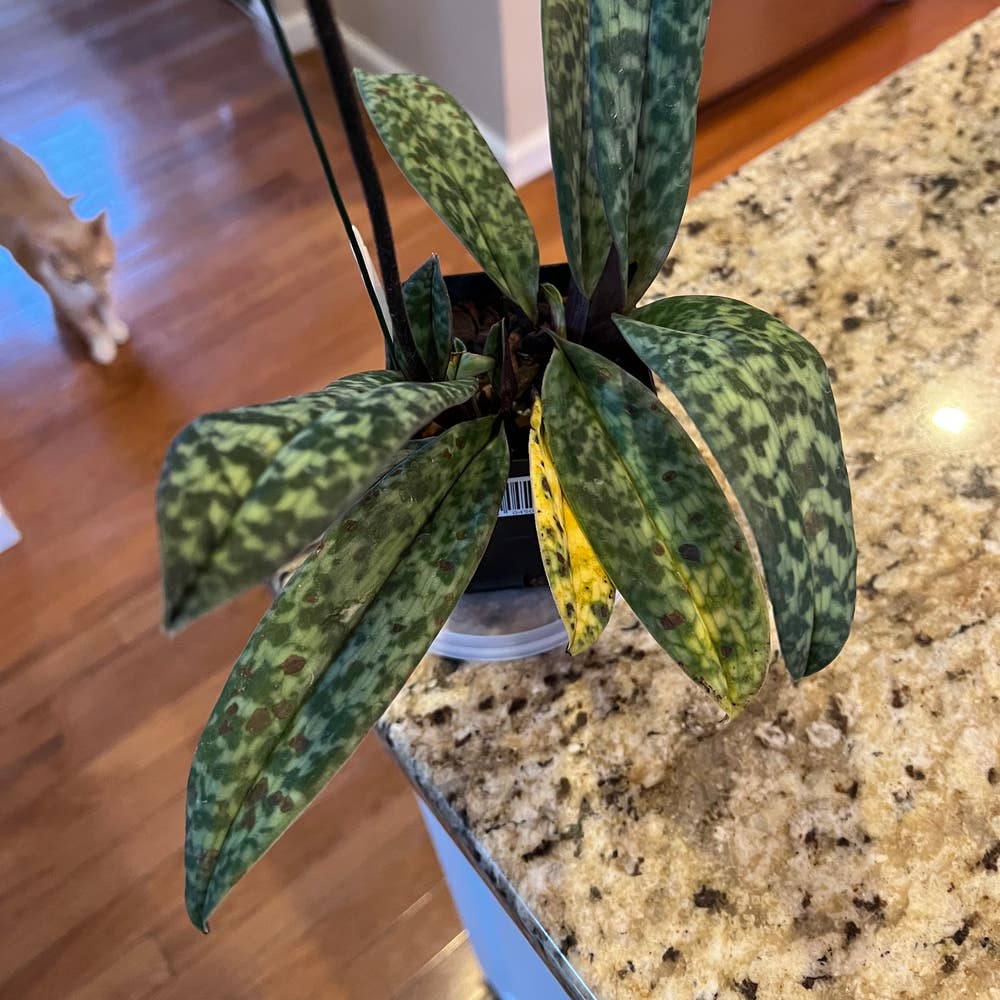
The growth structure of Paphiopedilum is characterized by rosette formation, where leaves grow in a circular pattern. This arrangement not only maximizes light capture but also supports efficient water retention.
Additionally, their robust root system is crucial for nutrient uptake. This network allows them to access essential resources, ensuring their longevity and health.
⏳ Long-Term Lifecycle
Paphiopedilum orchids typically take several years to reach their flowering stage. This maturation timeline underscores their perennial nature, as they invest time in developing before showcasing their beautiful blooms.
Their seasonal growth patterns reveal active growth during specific times of the year, followed by dormancy. This cyclical behavior is essential for their longevity, allowing them to conserve energy and resources.
📊 Lifecycle Comparison with Annuals
In contrast to annual plants, which grow rapidly and complete their lifecycle in one season, Paphiopedilum exhibits a slow and steady growth pattern. This difference highlights their perennial classification.
Their reproductive strategies also set them apart. They benefit from both self-pollination and cross-pollination, enhancing genetic diversity and resilience.
❓ Misconceptions and Exceptions
While Paphiopedilum is fundamentally a perennial, certain situations may lead to them being treated as annuals. Environmental stressors or specific cultural practices can impact their growth and flowering.
Regional variations play a significant role in their adaptability. Climate influences can lead to different growth behaviors, showcasing their remarkable ability to thrive in diverse environments.
Understanding these aspects of Paphiopedilum not only enriches our appreciation for these orchids but also sets the stage for exploring their gardening implications.
Gardening Implications
🌼 Benefits in Perennial Garden Design
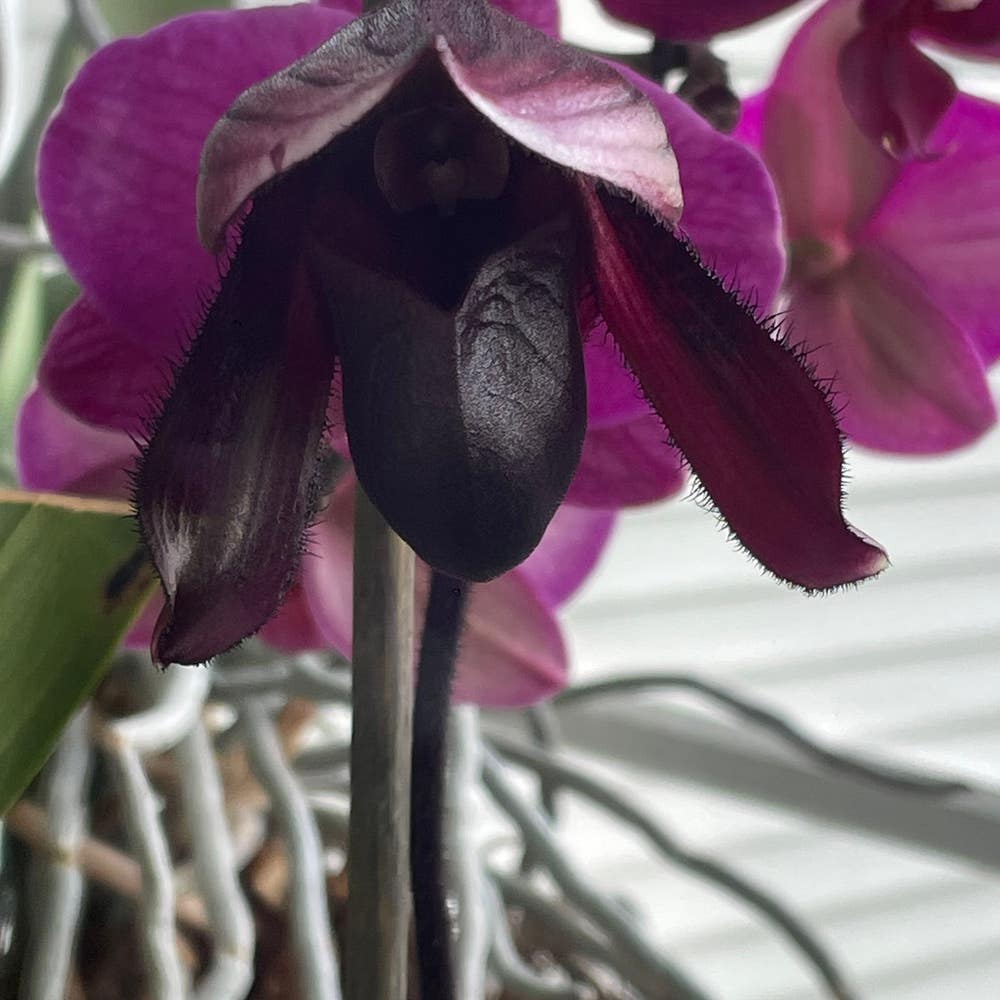
Paphiopedilum orchids are a stunning addition to any perennial garden. Their unique slipper-shaped flowers and lush foliage create a captivating visual appeal that stands out throughout the seasons.
Investing in these orchids is not just about beauty; it's also a commitment to sustainability. Unlike annuals, which require replanting each year, Paphiopedilum thrives over time, reducing the need for frequent replacements and promoting a more eco-friendly garden.
🌱 Planning for Long-Term Growth and Flowering
When incorporating Paphiopedilum into your garden, consider companion planting. Pairing these orchids with suitable plants can enhance their growth and create a harmonious ecosystem.
Timing is crucial for maximizing flowering. Understanding seasonal considerations will help you plan your planting and care routines effectively, ensuring your Paphiopedilum blooms beautifully year after year.
By embracing these gardening implications, you can cultivate a vibrant, sustainable garden that showcases the enduring charm of Paphiopedilum orchids.
Maximizing Longevity
🌱 Tips for Managing as a Perennial
Watering is crucial for the health of your Paphiopedilum. Aim for consistent moisture in the soil, but be cautious of waterlogging, which can lead to root rot.
A well-planned fertilization schedule is equally important. Provide balanced nutrients throughout the lifecycle, especially during active growth periods, to support robust development.
🌼 Best Practices for Healthy Growth and Flowering
Light conditions play a significant role in the growth and flowering of Paphiopedilum. These orchids thrive in bright, indirect light, so find a spot that mimics their natural habitat.
Pest and disease management is essential for maintaining plant health. Regularly inspect your orchids for common issues like aphids or fungal infections, and take preventive measures to keep them at bay.
Seasonal care adjustments can make a big difference. Be mindful of changing conditions and modify your care practices accordingly to ensure your Paphiopedilum remains vibrant year-round.
By following these tips and best practices, you can maximize the longevity and beauty of your Paphiopedilum, ensuring it thrives as a perennial in your garden. Next, let’s explore the benefits of incorporating these stunning orchids into your garden design.
⚠️ Safety First
This content is for general information and may contain errors, omissions, or outdated details. It is not medical, veterinary advice, or an endorsement of therapeutic claims.
Always consult a qualified healthcare professional before using any plant as food, medicine, or supplement.
Never eat any plant (or feed one to pets) without confirming its identity with at least two trusted sources.
If you suspect poisoning, call Poison Control (800) 222-1222, the Pet Poison Helpline (800) 213-6680, or your local emergency service immediately.
Spotted an error? Please report it here.
Embrace the beauty of long-lasting Paphiopedilum orchids 🌺 by using Greg's personalized care tips to keep them thriving year after year!