💧 Ultimate Guide to Watering Your Paphiopedilum
Paphiopedilum hirsutissimum
By the Greg Editorial Team
Nov 09, 2024•6 min read
This article was created with the help of AI so we can cover more plants for you. May contain errors. See one? Report it here.
Unlock vibrant blooms for your Paphiopedilum 🌸 by mastering essential watering techniques for thriving orchids! 🌱
- 💧 Water every 7-10 days; adjust for temperature and humidity changes.
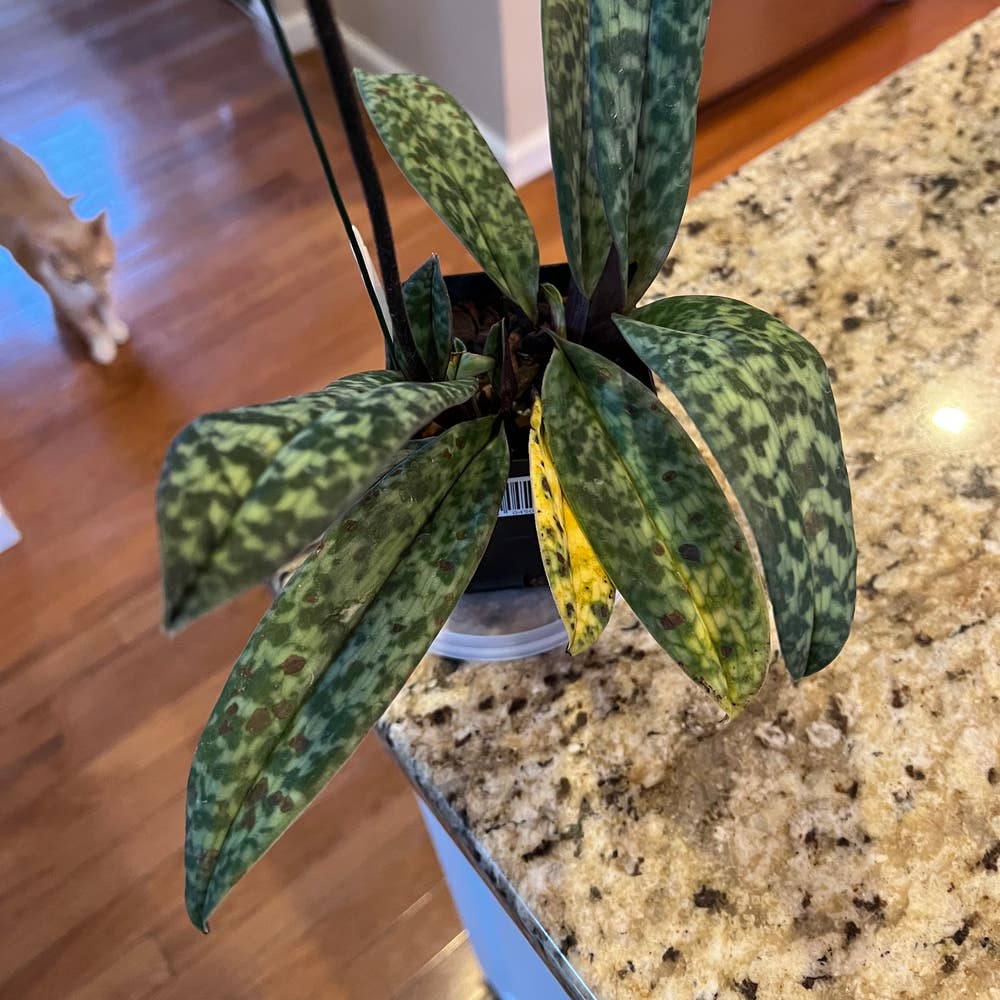
- 🌱 Yellow leaves indicate over-watering, while wrinkled leaves suggest under-watering.
- 📱 Use apps or moisture meters to create a tailored watering schedule.
Frequency of Watering
💧 General Watering Guidelines
Water your Paphiopedilum every 7-10 days during the growing season. This frequency can vary based on temperature and humidity levels, so keep an eye on your plant's environment.
🍂 Seasonal Adjustments
In spring and summer, increase your watering frequency to support the plant's growth. As fall and winter approach, reduce watering, allowing your Paphiopedilum to enter its dormancy phase comfortably.
Understanding these watering frequencies will help you maintain a healthy and thriving orchid. Next, let’s explore how to recognize watering issues to ensure your plant stays in top shape.
Recognizing Watering Issues
🚰 Signs of Over-Watering
Over-watering is a common pitfall for many Paphiopedilum owners. Look for yellowing leaves and mushy roots, which indicate that your plant is drowning.
If you notice a foul odor emanating from the potting mix, it's a red flag that the roots may be rotting. Additionally, if your plant is wilting despite wet soil, it’s time to reassess your watering habits.
💧 Signs of Under-Watering
On the flip side, under-watering can also harm your Paphiopedilum. Wrinkled or shriveled leaves are a clear sign that your plant is thirsty and needs attention.
Check the potting mix; if it’s dry and crumbly, your plant is likely struggling. Dropping buds or flowers is another indicator that your orchid isn't getting enough moisture.
📅 Common Misconceptions About Watering Frequency
Many believe that watering more frequently leads to healthier plants, but this isn't always true. It's crucial to observe your plant's environment and adjust accordingly, rather than sticking to a rigid schedule.
Understanding your Paphiopedilum's specific needs will help you avoid common watering mistakes. By being attentive to its signs, you can ensure a thriving plant.
As you become more familiar with your plant's watering needs, you'll be better equipped to transition into effective watering techniques.
Watering Techniques
🌊 Bottom-Watering Method
The bottom-watering method involves placing your Paphiopedilum pot in a shallow tray filled with water. This technique allows the roots to absorb moisture from below, promoting healthy growth.
This method is particularly beneficial as it reduces the risk of over-saturating the top layer of soil. By encouraging roots to seek moisture deeper in the pot, you help them develop a stronger, more resilient structure.
💧 Self-Watering Pots: Benefits and Usage
Self-watering pots are designed to maintain consistent moisture levels for your plants. They feature a reservoir that allows the soil to draw up water as needed, making them ideal for busy gardeners or those who travel frequently.
These pots can be a game-changer, ensuring your Paphiopedilum receives the right amount of water without constant monitoring. They simplify care and can lead to healthier plants, especially during hot summer months.
🚰 Traditional Watering Methods and Their Effectiveness
Traditional top watering involves pouring water directly onto the soil surface. While this method is straightforward, it has its pros and cons.
The key advantage is that it allows you to see how much water you're applying. However, it’s crucial to ensure that water reaches the root zone without waterlogging the plant, which can lead to root rot. Always check that excess water drains properly to maintain a healthy environment for your Paphiopedilum.
In summary, choosing the right watering technique can significantly impact your plant's health. Experiment with different methods to find what works best for your specific conditions and lifestyle. Next, we’ll explore how to measure soil moisture effectively to ensure your Paphiopedilum thrives.
Measuring Soil Moisture
🔧 Tools for Measuring Soil Moisture Levels
Moisture meters are essential tools for accurately gauging the hydration of your Paphiopedilum. These devices provide a quick reading of soil moisture levels, helping you avoid the pitfalls of over- or under-watering.
When choosing a moisture meter, look for reliable brands like XLUX or Sonkir. They offer user-friendly designs and accurate readings, making them perfect for both novice and experienced gardeners.
👋 How to Check Soil Moisture Manually
You can easily check soil moisture without fancy tools. Simply insert your finger about an inch into the potting mix; if it feels dry, it’s time to water.
Additionally, observe the potting mix's appearance. A healthy mix should be slightly damp but not soggy. If it looks dry and crumbly, your plant is likely thirsty.
🌊 Ideal Moisture Levels
For optimal root function, aim for a moisture level that is consistently moist but not waterlogged. The ideal range is when the top inch of soil feels dry, while the deeper layers retain some moisture.
Watch for signs of distress: if leaves start to yellow or the plant wilts, it may be too wet. Conversely, if leaves are wrinkled or the potting mix is bone dry, your Paphiopedilum needs a drink.
Understanding these moisture levels will help you keep your plant thriving and healthy. Now that you know how to measure moisture, let’s explore how to create a watering schedule that fits your plant's needs.
Watering Schedule and Reminders
🌱 Creating a Watering Schedule Using the Greg Plant Care App
Setting up a watering schedule can simplify your plant care routine. Start by downloading the Greg Plant Care app, then create a profile for your Paphiopedilum.
Next, input your plant's specific needs, including its watering frequency. The app allows you to customize notifications, ensuring you receive reminders tailored to seasonal changes and growth patterns.
⏰ Tips for Setting Reminders for Watering
Adjust your reminders based on environmental changes. For instance, if the humidity drops or temperatures rise, you may need to water more frequently.
Flexibility is key; don’t hesitate to tweak your schedule as needed. Your Paphiopedilum will thrive when you listen to its cues and adapt your care routine accordingly.
📅 Adjusting the Schedule Based on Plant Growth and Season
Observe how your plant responds to watering. If it seems to perk up after a drink, you might need to increase your watering frequency.
Seasonal changes also play a significant role. As temperatures and humidity fluctuate, be prepared to adjust your watering schedule to keep your Paphiopedilum healthy and happy.
With these strategies, you can ensure your watering routine is effective and responsive to your plant's needs. Now, let’s explore the various watering techniques that can enhance your plant care experience.
⚠️ Safety First
This content is for general information and may contain errors, omissions, or outdated details. It is not medical, veterinary advice, or an endorsement of therapeutic claims.
Always consult a qualified healthcare professional before using any plant as food, medicine, or supplement.
Never eat any plant (or feed one to pets) without confirming its identity with at least two trusted sources.
If you suspect poisoning, call Poison Control (800) 222-1222, the Pet Poison Helpline (800) 213-6680, or your local emergency service immediately.
Spotted an error? Please report it here.
Keep your Paphiopedilum thriving 🌱 with Greg's tailored watering reminders and schedules that adapt to your plant's unique needs throughout the seasons!