How to Cure Dropping Leaves on Your Paphiopedilum
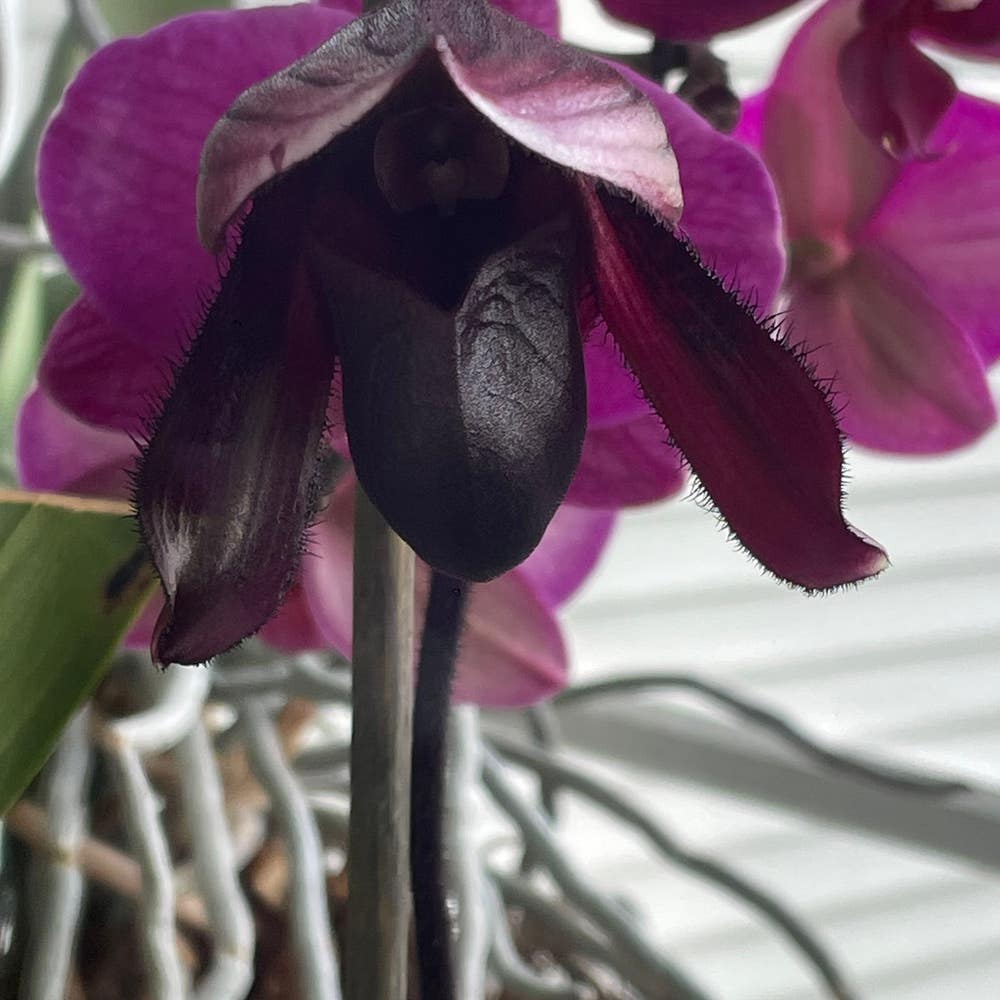
Paphiopedilum hirsutissimum
By the Greg Editorial Team
Oct 25, 2024•7 min read
This article was created with the help of AI so we can cover more plants for you. May contain errors. See one? Report it here.
Keep your Paphiopedilum thriving 🌱 by uncovering the secrets to preventing leaf drop and ensuring vibrant growth!
- 🌡️ Environmental stress from humidity and temperature changes causes leaf drop in Paphiopedilum.
- 💧 Overwatering and underwatering lead to yellowing or wrinkled leaves; balance is key.
- 🌞 Bright, indirect light is essential; position near east or west windows for optimal growth.
Causes of Leaf Drop
🌬️ Environmental Stress Factors
Environmental stress is a leading cause of leaf drop in Paphiopedilum orchids. Sudden changes in humidity and temperature can shock your plant, leading to distress.
Drafts or direct airflow from vents can exacerbate this issue. Seasonal changes also play a role, as indoor conditions fluctuate with the weather outside.
💧 Watering Issues
Overwatering
Overwatering is a common pitfall for orchid owners. Symptoms include yellowing leaves and mushy roots, signaling that your plant is drowning.
This often results from poor drainage or using a non-orchid potting mix. Ensure your pot has adequate drainage holes and opt for a mix designed specifically for orchids.
Underwatering
On the flip side, underwatering can also cause leaf drop. Look for signs like wrinkled leaves and dry tips, which indicate your plant is thirsty.
Infrequent watering or inadequate moisture retention in the potting mix can lead to these symptoms. Regularly check the soil moisture to avoid this issue.
💡 Light Exposure Problems
Light exposure is crucial for healthy Paphiopedilum growth. Ideally, these orchids thrive in bright, indirect light.
Insufficient light can lead to dark green leaves and slow growth. Conversely, too much light can scorch the leaves, causing yellowing or browning.
🌡️ Temperature Fluctuations
Temperature stability is vital for your orchid's health. The ideal range is between 20°C to 25°C (68°F to 77°F) during the day, with cooler temperatures at night.
Symptoms of temperature stress include leaf curling and browning edges. Keeping your plant in a consistent environment can help prevent these issues.
🌱 Nutrient Deficiencies
Nutrient deficiencies can also contribute to leaf drop. Common deficiencies include nitrogen, potassium, and magnesium.
Symptoms often manifest as pale leaves and stunted growth. Regular fertilization can help maintain nutrient levels and promote healthy growth.
🐛 Pest Infestations and Diseases
Pests and diseases can wreak havoc on your Paphiopedilum. Common pests include aphids, mealybugs, and spider mites.
Signs of infestation include sticky residue, webbing, and leaf discoloration. Diseases like root rot and fungal infections can also lead to leaf drop, so regular inspections are essential.
Understanding these causes is the first step in preventing leaf drop. By addressing environmental factors, watering practices, light exposure, temperature, nutrient levels, and pest control, you can keep your Paphiopedilum thriving. Next, we’ll explore how to diagnose leaf drop effectively.
Diagnosing Leaf Drop
🌿 Identifying Symptoms of Leaf Drop
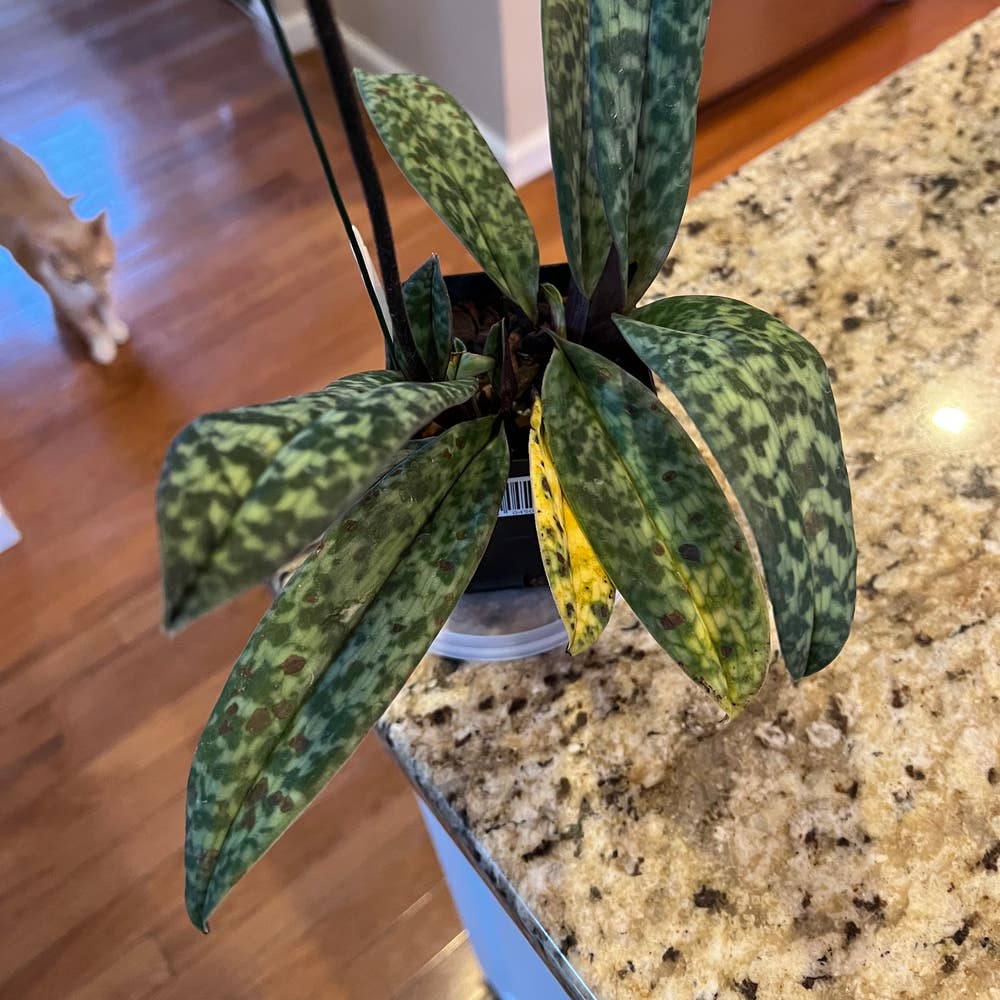
When your Paphiopedilum starts dropping leaves, the first step is to look for visual signs. Yellowing, wilting, or browning leaves are clear indicators that something's off.
Additionally, pay attention to the texture of the leaves. If they feel soft or crisp, it’s a sign that your plant is struggling.
🌍 Assessing Environmental Conditions
Next, assess the environmental conditions surrounding your orchid. Measuring humidity levels is crucial; the ideal range is between 50-70%.
Also, check for temperature consistency. Avoid extremes, as fluctuations can stress your plant and lead to leaf drop.
🐛 Checking for Pests and Diseases
Inspecting your plant for pests is essential. Look closely at the undersides of leaves and stems for any unwanted visitors.
Be vigilant for signs of disease as well. Fungal spots or mushy roots can indicate serious issues that need immediate attention.
💧 Evaluating Watering Practices
Watering practices play a significant role in your plant's health. Use a moisture meter or your finger to assess soil moisture levels.
Adjust your watering frequency based on the season and your plant's specific needs. This can help prevent further leaf drop.
☀️ Analyzing Light Conditions
Finally, analyze the light conditions your Paphiopedilum is receiving. Measuring light intensity with a light meter can provide valuable insights.
Observe your plant's placement too. Ensure it gets proper exposure without direct sunlight, which can be too harsh.
By systematically diagnosing these factors, you can pinpoint the cause of leaf drop and take corrective action. This proactive approach will help your Paphiopedilum thrive once again.
Preventing Leaf Drop
Ideal Growing Conditions 🌱
Maintaining the right humidity is crucial for your Paphiopedilum. Consider using humidity trays or misting to keep levels optimal.
Temperature control is equally important. Aim to keep your orchid in a stable environment within the ideal range of 20°C to 25°C (68°F to 77°F).
Proper Watering Techniques 💧
Watering frequency can make or break your plant's health. Allow the top inch of soil to dry out between waterings to prevent overwatering.
Using distilled or rainwater can yield better results than tap water, which may contain chemicals harmful to orchids.
Optimal Light Exposure ☀️
Position your Paphiopedilum near east or west-facing windows for the best light. This ensures they receive bright, indirect sunlight, which is essential for growth.
If direct sunlight is too harsh, use sheer curtains to diffuse the light. This protects the leaves from scorching while still providing adequate illumination.
Maintaining Humidity Levels 💨
Utilizing humidifiers or pebble trays can help maintain the necessary humidity levels. Regularly monitoring humidity with a hygrometer ensures your plant thrives.
Keeping humidity between 50-70% is ideal for preventing leaf drop and promoting healthy growth.
Regular Fertilization Practices 🌿
A monthly fertilization schedule during the growing season can boost your orchid's health. Use a balanced orchid fertilizer, such as a 30-10-10 mix, for optimal results.
This regular feeding helps replenish nutrients that your plant may be lacking, supporting vibrant growth.
Seasonal Care Adjustments 🍂
As seasons change, so should your care routine. Adjust watering and humidity levels during winter months to accommodate lower indoor humidity.
Also, monitor light exposure as days shorten. This ensures your Paphiopedilum continues to receive the light it needs to thrive.
By implementing these preventive measures, you can create a nurturing environment for your Paphiopedilum, significantly reducing the risk of leaf drop.
Next, we’ll explore how to diagnose leaf drop effectively, ensuring you can identify and address any issues promptly.
Treating Leaf Drop
Immediate Actions to Take 🌱
If you notice your Paphiopedilum dropping leaves, the first step is to assess the situation. Remove any severely affected leaves to prevent further stress on the plant.
Next, promptly adjust the environmental conditions. This could mean altering humidity levels or repositioning the plant to avoid drafts.
Adjusting Care Routines Based on Diagnosis 🔄
Once you've identified the issue, modify your watering practices accordingly. If the soil feels too dry or too wet, adjust your watering frequency to match the moisture levels.
Additionally, consider changing the light exposure. If your plant isn't getting enough light, or if it's receiving too much direct sunlight, reposition it to create a more suitable environment.
Repotting Techniques if Necessary 🌿
Sometimes, repotting is essential for recovery. Signs that your plant may need repotting include root rot or poor drainage.
To repot, gently remove the plant from its pot, trim any damaged roots, and use fresh orchid mix to provide a healthy growing medium.
Pest Control Methods 🐛
Pest infestations can also lead to leaf drop. For organic pest control, consider using neem oil or insecticidal soap to treat any unwanted visitors.
Regular monitoring is key. Keep an eye on your plant and act quickly at the first sign of pests to prevent further damage.
Recovery Strategies for Affected Plants 🌈
To help your plant recover, provide optimal conditions tailored to its needs. This includes maintaining proper humidity, temperature, and light exposure.
Lastly, be patient and observe your plant closely. Recovery takes time, so allow your Paphiopedilum the space it needs to stabilize and thrive once again.
With these strategies, you can turn leaf drop into a learning experience, ensuring your orchid flourishes in the long run.
⚠️ Safety First
This content is for general information and may contain errors, omissions, or outdated details. It is not medical, veterinary advice, or an endorsement of therapeutic claims.
Always consult a qualified healthcare professional before using any plant as food, medicine, or supplement.
Never eat any plant (or feed one to pets) without confirming its identity with at least two trusted sources.
If you suspect poisoning, call Poison Control (800) 222-1222, the Pet Poison Helpline (800) 213-6680, or your local emergency service immediately.
Spotted an error? Please report it here.
Keep your Paphiopedilum vibrant and leaf-drop-free 🌿 with Greg's tailored care reminders and expert tips that ensure a nurturing environment for your orchid!