🐢 How Long Your Paphiopedilum Will Live
Paphiopedilum hirsutissimum
By the Greg Editorial Team
Oct 25, 2024•6 min read
This article was created with the help of AI so we can cover more plants for you. May contain errors. See one? Report it here.
Cultivate stunning Paphiopedilum orchids 🌸 by mastering their growth stages and care essentials for vibrant blooms!
- 🌱 Paphiopedilum germinates in 3 to 6 months with ideal conditions for success.
- 🌼 Flowering occurs 2 to 5 years after germination, influenced by light and nutrients.
- 🌿 Full maturity is reached in 3 to 5 years, varying by species and care.
Germination Stage
🌱 Duration of Germination
Germination for Paphiopedilum orchids typically takes 3 to 6 months. This timeframe can vary based on several factors, including temperature, humidity, and light conditions.
🌡️ Conditions for Successful Germination
To ensure successful germination, maintain an ideal temperature range of 20°C to 25°C (68°F to 77°F).
- Humidity: Aim for 60% to 80% relative humidity to create a conducive environment.
- Light Exposure: Provide indirect light; direct sunlight can be harmful.
- Substrate: Use a sterile, well-draining medium like sphagnum moss or an orchid mix to support healthy growth.
By meeting these conditions, you set the stage for your Paphiopedilum to thrive from the very beginning. Understanding these requirements not only enhances your chances of successful germination but also deepens your connection to the plant's life cycle.
As you prepare for the next stage, keep in mind that nurturing your seedlings will require a shift in care practices.
Seedling Stage
Length of Seedling Stage 🌱
The seedling stage of your Paphiopedilum can last anywhere from 6 months to 2 years. This duration largely depends on the variety of the orchid and the conditions in which it's grown.
Key Characteristics of Seedlings 🌿
During this stage, seedlings typically reach a height of 2 to 4 inches. You’ll notice the emergence of 2 to 4 thin, elongated leaves, which are essential for photosynthesis.
Root System Development 🌍
A healthy root system is crucial for nutrient uptake. As the seedlings grow, they establish a robust network of roots that supports their overall health and development.
This stage is vital for setting the foundation for your orchid's future growth. As you nurture your seedlings, keep an eye on their progress to ensure they transition smoothly into the next phase of life.
Vegetative Growth Stage
🌱 Duration of Vegetative Growth
The vegetative growth stage of your Paphiopedilum typically lasts between 1 to 3 years. This duration can vary significantly based on the species and the environmental conditions provided.
🌿 Changes in Plant Structure and Health
During this stage, you'll notice exciting changes in your plant's structure.
Leaf Development
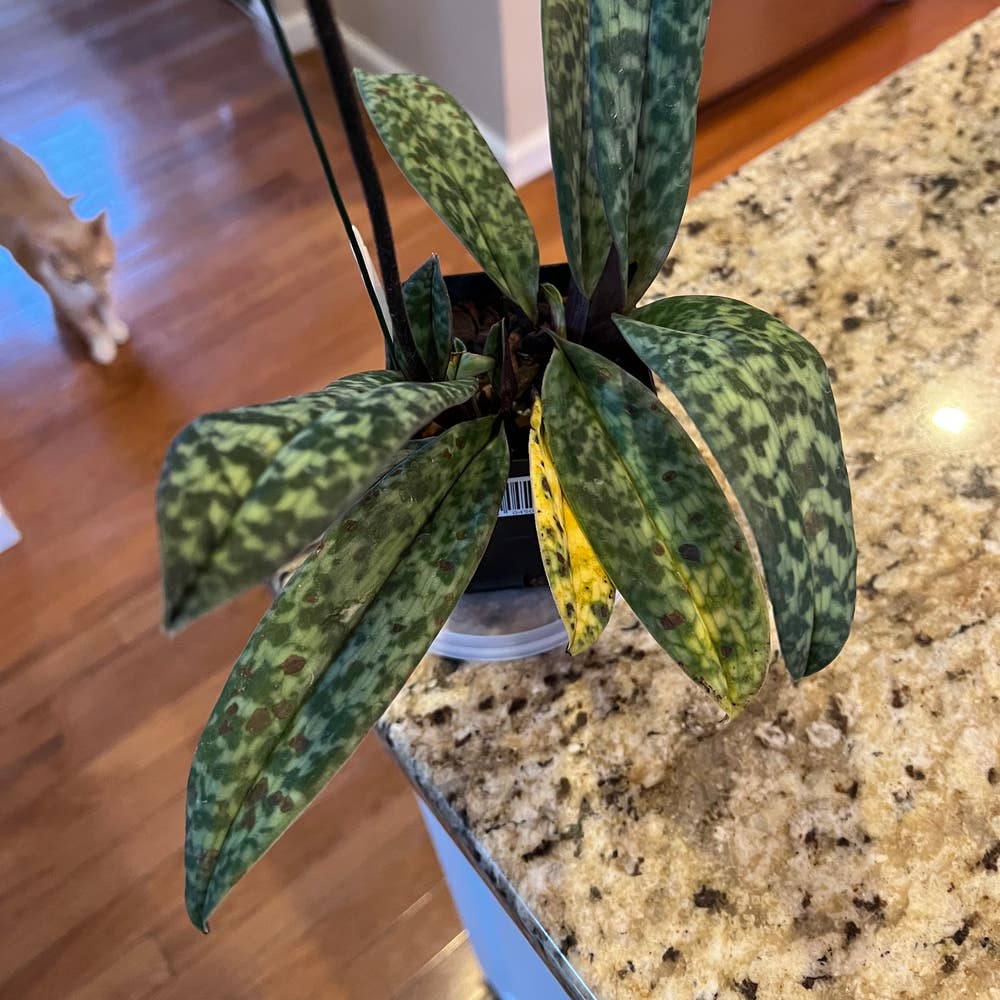
The leaves will become broader and thicker, a clear sign of healthy growth. This transformation is essential as it indicates that your plant is thriving.
Pseudobulb Formation
You’ll also see the development of pseudobulbs. These structures are vital as they store nutrients and water, helping your plant stay nourished.
Overall Health
As the vegetative stage progresses, the root system strengthens. A robust root network increases resilience to environmental stressors, making your Paphiopedilum more adaptable and healthier overall.
This stage is crucial for setting the foundation for future growth and flowering. With the right care, your plant will flourish, paving the way for its next exciting phase.
Flowering Stage
Timeframe for Flowering 🌸
The journey to flowering for your Paphiopedilum typically spans 2 to 5 years after germination. This timeframe can vary based on the species and the care you provide.
Factors Influencing Flowering 🌼
Light Requirements 💡
Adequate light is crucial for flowering. Aim for bright, indirect light to encourage blooms.
Temperature Fluctuations 🌡️
Slight temperature drops at night can be a game changer. These fluctuations often trigger the flowering process.
Nutrient Availability 🍽️
Balanced fertilization during the growing season is essential. Ensure your plant receives the right nutrients to support its blooming phase.
Understanding these factors can significantly enhance your chances of witnessing those stunning flowers. With the right conditions, your Paphiopedilum can thrive and reward you with its beautiful blooms.
As we delve deeper into the growth rate and maturation of your plant, you'll discover how these elements contribute to its overall development.
Growth Rate and Maturation
How Long Until Fully Grown? 🌱
Paphiopedilum orchids typically reach full maturity in about 3 to 5 years. This timeframe can vary based on the specific species and the care they receive.
Factors Affecting Growth Rate 🌡️
Several environmental conditions significantly influence growth rates. Light, humidity, and temperature are crucial for healthy development.
Care practices also play a vital role. Proper watering, balanced fertilization, and timely repotting can accelerate growth and enhance overall plant health.
Comparison of Growth Rates Among Different Varieties 📊
Growth rates can differ widely among Paphiopedilum varieties.
- Moderate Growth Rate: These orchids usually take longer to flower, often requiring more patience.
- Faster Growth: Some varieties can bloom within 2 to 3 years, making them a popular choice for eager growers.
- Quicker Maturation: Certain species are known for their early flowering, providing quicker rewards for your care.
Understanding these growth dynamics can help you tailor your care approach, ensuring your Paphiopedilum thrives. As you nurture your plant, remember that patience and attention to detail will yield beautiful results in time.
Next, we’ll explore the notable changes throughout the life cycle of your Paphiopedilum, highlighting the physical transformations and evolving care requirements.
Notable Changes Throughout Life Cycle
🌱 Physical Changes During Each Growth Stage
The life cycle of a Paphiopedilum is marked by distinct physical transformations.
Germination begins with tiny seeds that gradually develop into small seedlings, a delicate yet crucial phase.
As the plant enters the seedling stage, you'll notice a transition from thin, fragile leaves to more robust foliage. This change signifies that the plant is gaining strength and stability.
During the vegetative stage, the formation of pseudobulbs occurs, accompanied by thicker leaves. These pseudobulbs are essential for storing nutrients and water, enhancing the plant's resilience.
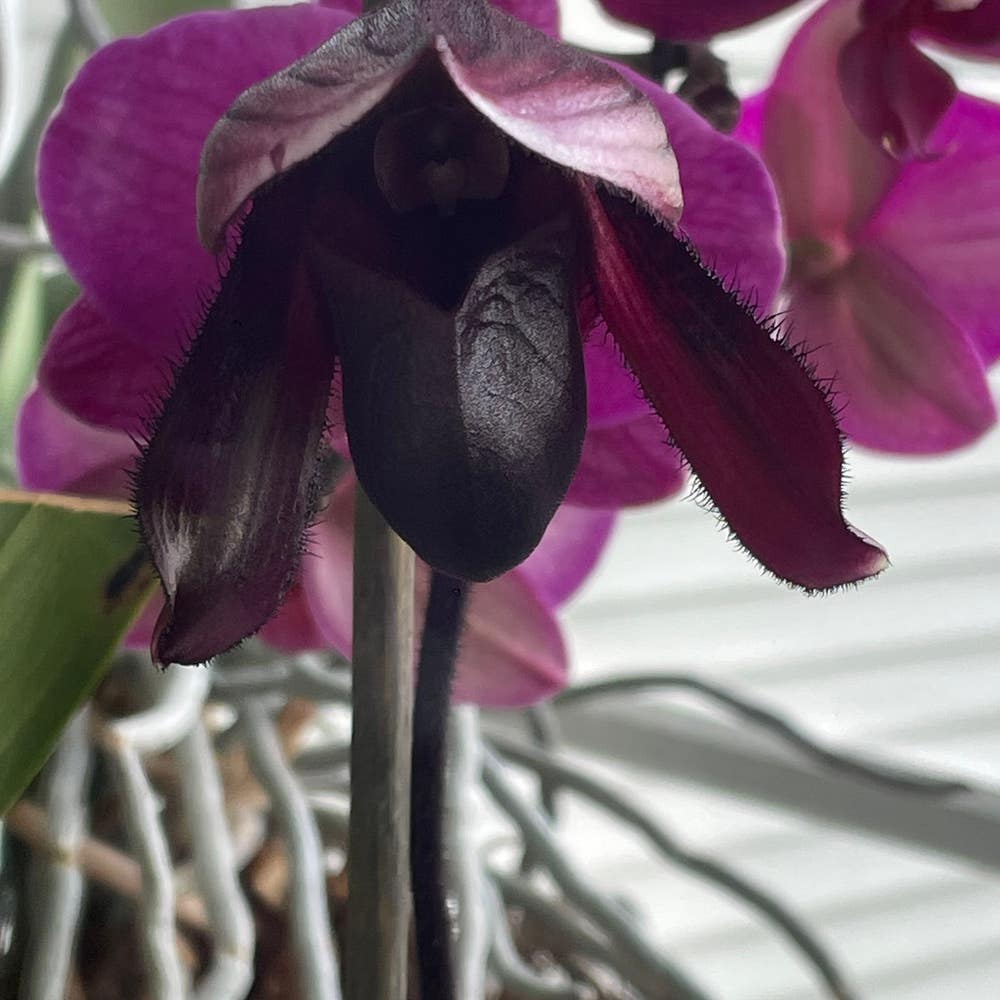
Finally, in the flowering stage, the plant showcases its beauty with the emergence of distinctive flowers. These blooms not only display vibrant colors but also unique shapes, adding to the allure of the Paphiopedilum.
🌿 Changes in Care Requirements as the Plant Matures
As your Paphiopedilum grows, its care needs evolve significantly.
During germination, maintaining high humidity and careful watering is vital. This environment supports the delicate seedlings as they establish themselves.
In the seedling stage, you can gradually reduce humidity while increasing light exposure. This adjustment helps the plant adapt to its growing conditions.
Once the plant matures, it becomes more resilient. Mature Paphiopedilums require less frequent watering and fertilization, making them easier to care for as they thrive.
🌍 Impact of Environmental Factors on Life Stages
Environmental factors play a crucial role in the development of your Paphiopedilum.
Temperature is essential; consistent warmth supports all growth stages.
Humidity is particularly critical during germination and the seedling stages, where high levels help the plant flourish.
Finally, light is necessary for healthy growth and flowering. As the plant matures, you may need to adjust light exposure to ensure optimal conditions.
Understanding these changes and requirements will help you nurture your Paphiopedilum effectively, guiding it through its fascinating life cycle.
Next, we’ll explore how growth rates and maturation vary among different varieties.
⚠️ Safety First
This content is for general information and may contain errors, omissions, or outdated details. It is not medical, veterinary advice, or an endorsement of therapeutic claims.
Always consult a qualified healthcare professional before using any plant as food, medicine, or supplement.
Never eat any plant (or feed one to pets) without confirming its identity with at least two trusted sources.
If you suspect poisoning, call Poison Control (800) 222-1222, the Pet Poison Helpline (800) 213-6680, or your local emergency service immediately.
Spotted an error? Please report it here.
Nurture your Paphiopedilum from seedling to bloom 🌸 with Greg's custom watering plans and care reminders that ensure your orchid thrives at every stage!